
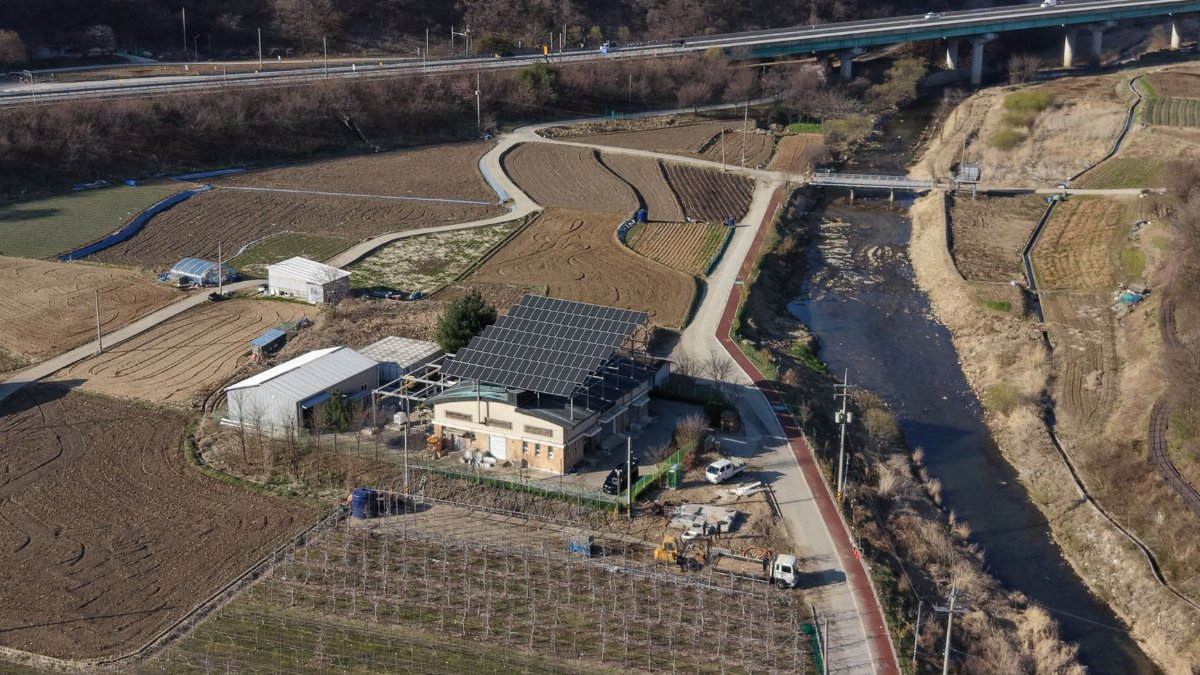
In the heart of Californias Central Valley, acres of once productive farmland now sit idle amid chronic water shortages that force tough choices on growers each season. Lawmakers recently passed a measure allowing conversion of such land to solar energy production under eased contract terms. This farmland solar bill heads to Governor Newsom for final approval and could mark a quiet shift in how the state balances agriculture with clean power needs.
Core Elements of the Proposed Measure

The legislation targets farmers locked into longstanding contracts that penalize early exits from agricultural use. It offers relief from those fees when fields are shifted to solar arrays in areas hit hardest by water limits. Supporters argue this opens pathways for steady income while reducing strain on scarce resources.
Water Scarcity Driving Policy Shifts

Decades of drought have left many irrigation districts rationing supplies, leading to widespread fallowing of fields. The approach in this farmland solar bill recognizes that some land may never return to full production and seeks to put it to alternative use instead of leaving it unproductive.
Financial Relief for Affected Growers
Exit fees under existing farmland contracts can run into tens of thousands of dollars per acre. By waiving those costs for solar conversions the bill aims to make the transition viable for operations facing repeated crop losses. This could preserve family ranches that might otherwise face sale or bankruptcy.
Renewable Energy Expansion Goals
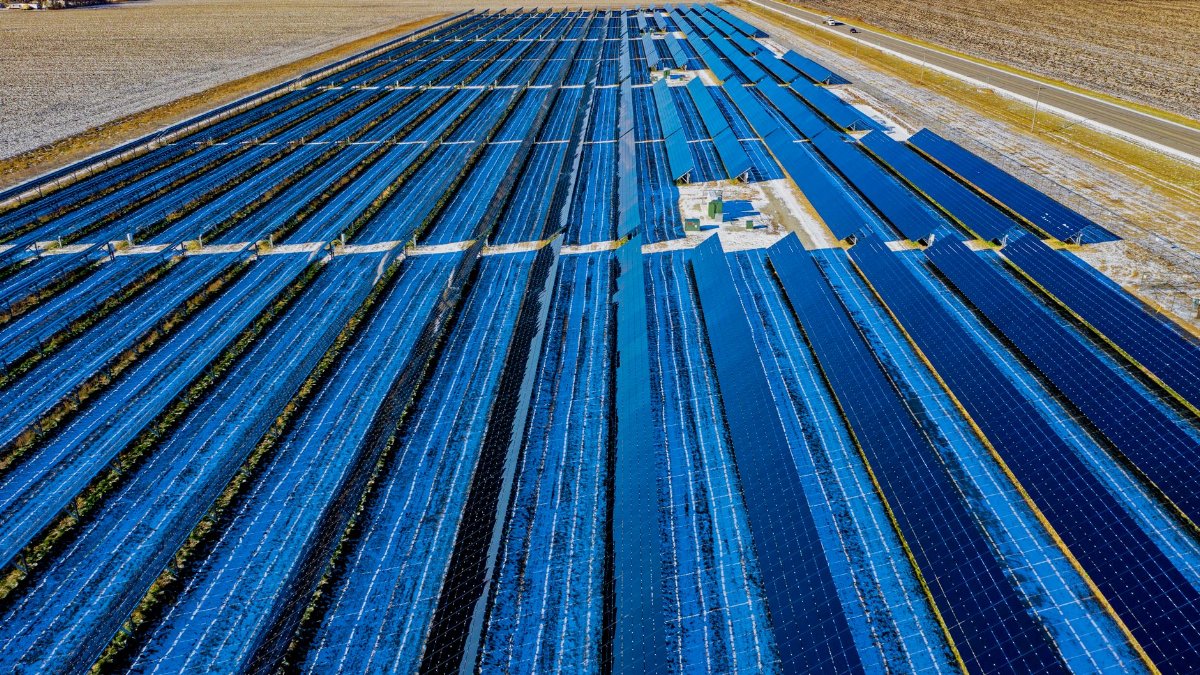
California continues to push toward ambitious targets for carbon free electricity. Placing solar on already disturbed farmland avoids conflicts over pristine desert or forested sites. The farmland solar bill aligns with those broader aims by encouraging development in locations with existing grid connections nearby.
Concerns from Environmental Advocates

Some groups worry that large scale solar on former cropland could fragment wildlife corridors or reduce soil health over time. Others note that panels require maintenance and eventual disposal plans. The measure includes basic safeguards but leaves room for further refinement during implementation.
Economic Ripple Effects Across Regions

Local economies built around farming could see new revenue streams from lease payments to solar operators. Counties might gain tax base stability without the volatility of commodity prices. Yet questions remain about long term job creation since solar farms need fewer workers than active fields.
Comparisons to Similar Efforts Elsewhere

Other western states have experimented with incentives for agrivoltaics that combine solar with grazing or shade tolerant crops. Californias version focuses more narrowly on full conversion in water stressed zones. Observers will watch whether this targeted strategy produces different results than mixed use models tried in Arizona or Nevada.
Role of Legislative Compromise

Negotiations in Sacramento involved input from farm bureaus, utility companies and clean energy coalitions. The final version reflects tradeoffs that won support from both rural and urban lawmakers. Passage came after several amendments addressed liability and decommissioning standards for the arrays.
Potential Impact on Future Land Use
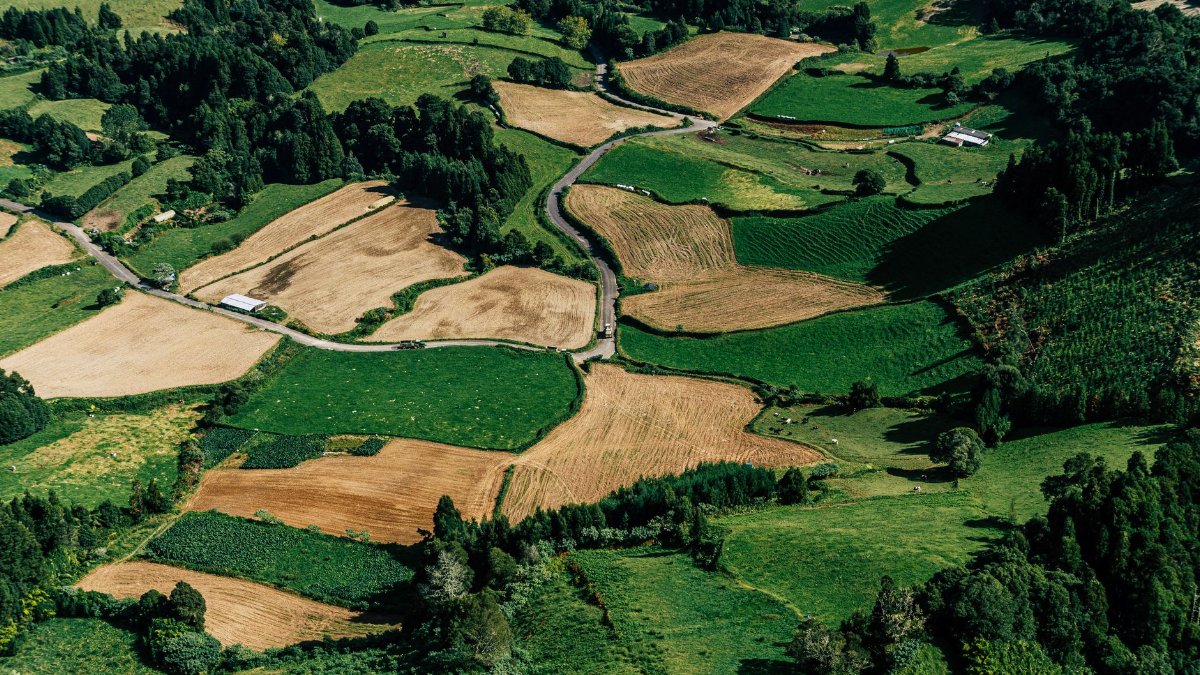
If signed the law could set a precedent for rethinking what counts as viable farmland in an era of climate pressure. Some see it as pragmatic adaptation while critics fear it normalizes permanent loss of agricultural capacity. Monitoring will be essential to gauge cumulative effects over the coming decade.
Public Sentiment and Community Views
Residents in affected areas express mixed feelings with some welcoming the prospect of reliable lease income and others mourning the sight of fields giving way to rows of panels. Town hall meetings have highlighted desires for community input on project siting and visual buffers along roadways.