
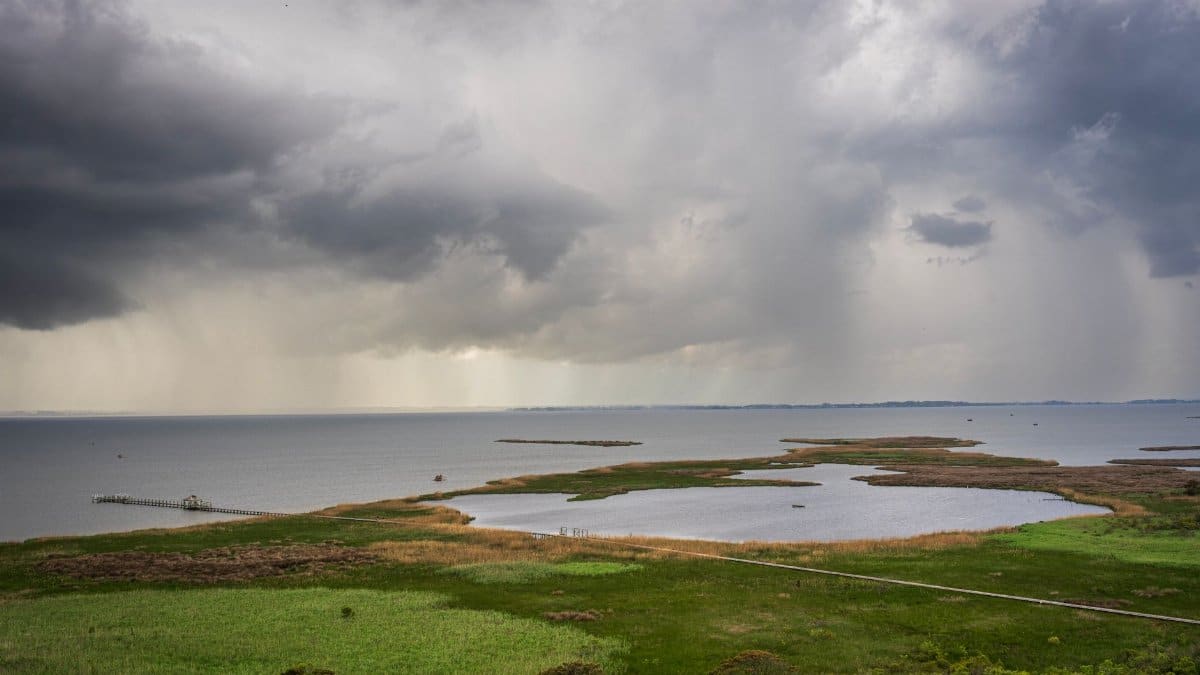
Residents in Northern California often associate the first rains with October or November yet this year brings a surprise shift as an early system moves in from the Pacific. Forecasters now indicate that measurable precipitation could reach the region before Labor Day concludes leading many to wonder about the implications for local ecosystems and daily routines. This development highlights how Bay Area September rain can arrive without warning reshaping expectations for the month ahead.
Current Forecast Expectations

Meteorologists at the National Weather Service describe a low pressure system tracking southward along the coast. Models suggest light to moderate showers developing by the first weekend in September with totals possibly reaching a tenth of an inch in favored spots near the coast. Inland valleys may see less accumulation while higher elevations stand to receive more.
Historical Context for Early Precipitation
Records from the past century show that September downpours remain uncommon in this part of the state. The last comparable event occurred more than two decades ago when a similar system produced scattered showers across several counties. Such occurrences remind observers that climate variability can produce outliers even within a single decade.
Impacts on Local Agriculture
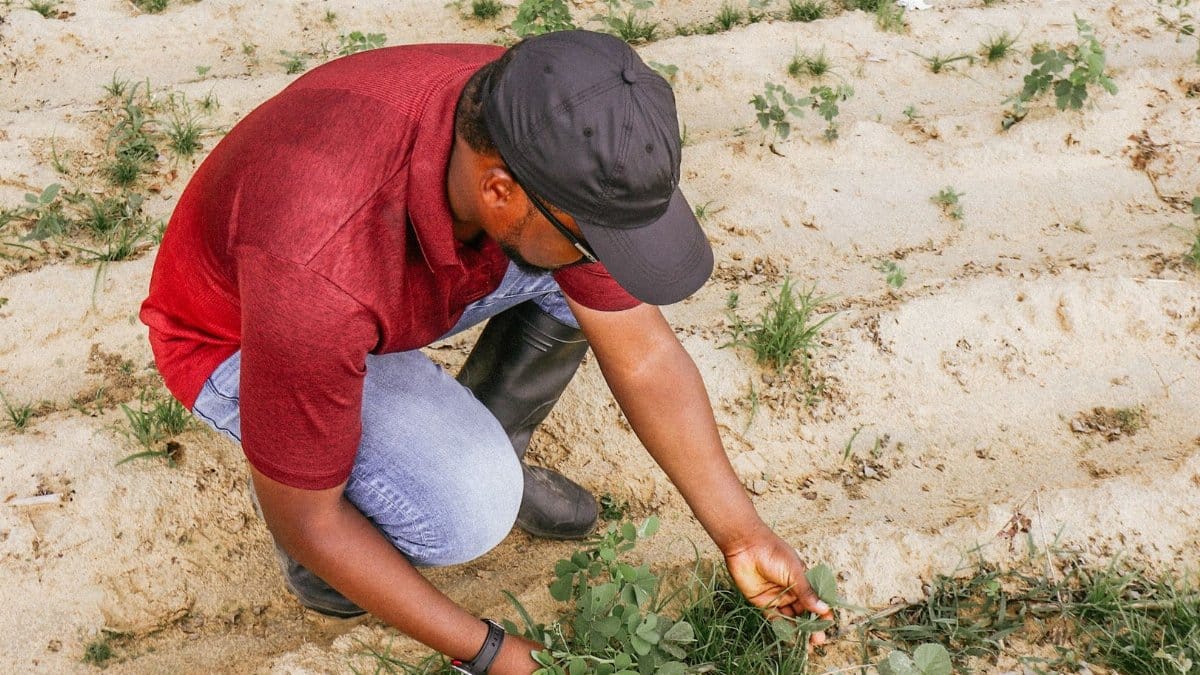
Farmers in Sonoma and Napa counties monitor the outlook closely because early moisture can affect harvest schedules for grapes and other late summer crops. Excess humidity sometimes encourages fungal growth while timely light rain may ease irrigation demands. Growers weigh these factors as they prepare equipment and labor crews.
Effects on Urban Infrastructure

City crews in San Francisco and Oakland inspect storm drains ahead of the system to reduce the chance of localized flooding. Street trees stressed by summer dryness could benefit from added moisture yet sudden gusts might bring down brittle branches. Public works departments coordinate messaging to encourage residents to clear gutters.
Broader Climate Patterns at Play
Scientists note that shifting ocean temperatures in the Pacific can steer storms toward the West Coast earlier than usual. While one event does not define a trend researchers continue to examine whether such episodes will become more frequent. Data from long term monitoring stations provide the foundation for these ongoing analyses.
Travel and Outdoor Activity Adjustments

Airports around the region prepare for possible delays as visibility drops during showers. Hikers and cyclists often reconsider plans when forecasts call for wet pavement. Parks departments may post temporary advisories at trailheads to promote safety during the brief period of unsettled weather.
Community Responses and Preparations

Local news outlets share checklists for homeowners while neighborhood groups discuss ways to support vulnerable neighbors. Schools review protocols for recess and after school programs. The anticipation fosters conversations about resilience in the face of changing seasonal signals.
Looking Ahead to Autumn Conditions
If the early moisture sets a pattern the remainder of the season could unfold with different soil conditions and vegetation growth. Water managers track reservoir inflows even though one storm rarely alters overall supply projections. Continued monitoring remains essential as the calendar advances.