

In the heart of Chicago a pivotal moment arrived when rail service reached the citys main airport directly linking downtown corridors with international gateways. Travelers who once faced cumbersome transfers now enjoyed seamless journeys thanks to this addition that reshaped regional mobility. The event marked a turning point in urban planning as officials sought to integrate air travel with ground transport in ways that served growing populations across the Northwest Side and beyond. This development forms a key part of O’Hare L extension history reflecting broader efforts to modernize infrastructure amid rising passenger volumes. Over time the project influenced how residents commute work and connect with the wider world fostering economic ties that endure today.
Origins Of The Rail Vision

City leaders in earlier decades recognized the need for better links between central business districts and the expanding airfield. Discussions centered on extending existing lines to reduce road congestion and provide reliable options for workers and tourists. Early proposals emphasized efficiency drawing from lessons in other major hubs where integrated systems proved valuable. These ideas gained traction as air traffic increased steadily prompting concrete steps toward implementation.
Key Figures Behind The Project
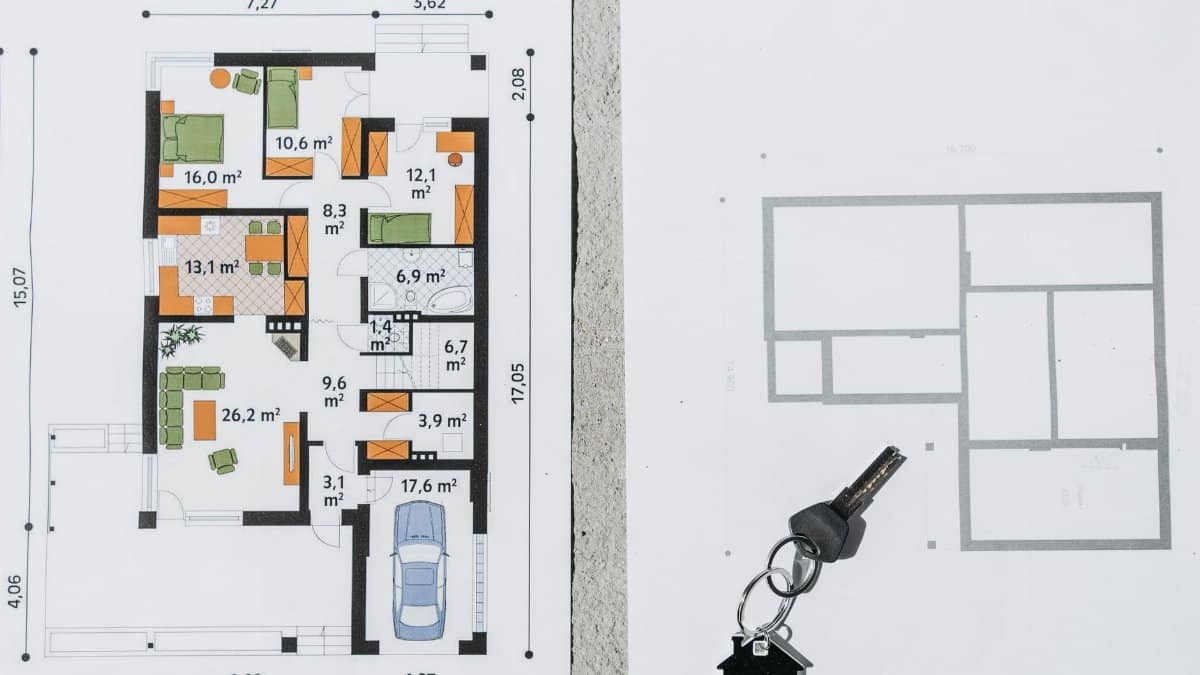
Engineers and policymakers collaborated closely to navigate regulatory hurdles and secure funding from various sources. Their persistence ensured the extension moved from concept to reality despite shifting priorities at state and federal levels. Personal accounts from the era highlight the dedication involved in aligning diverse interests for a shared goal of improved access.
Construction Milestones Achieved
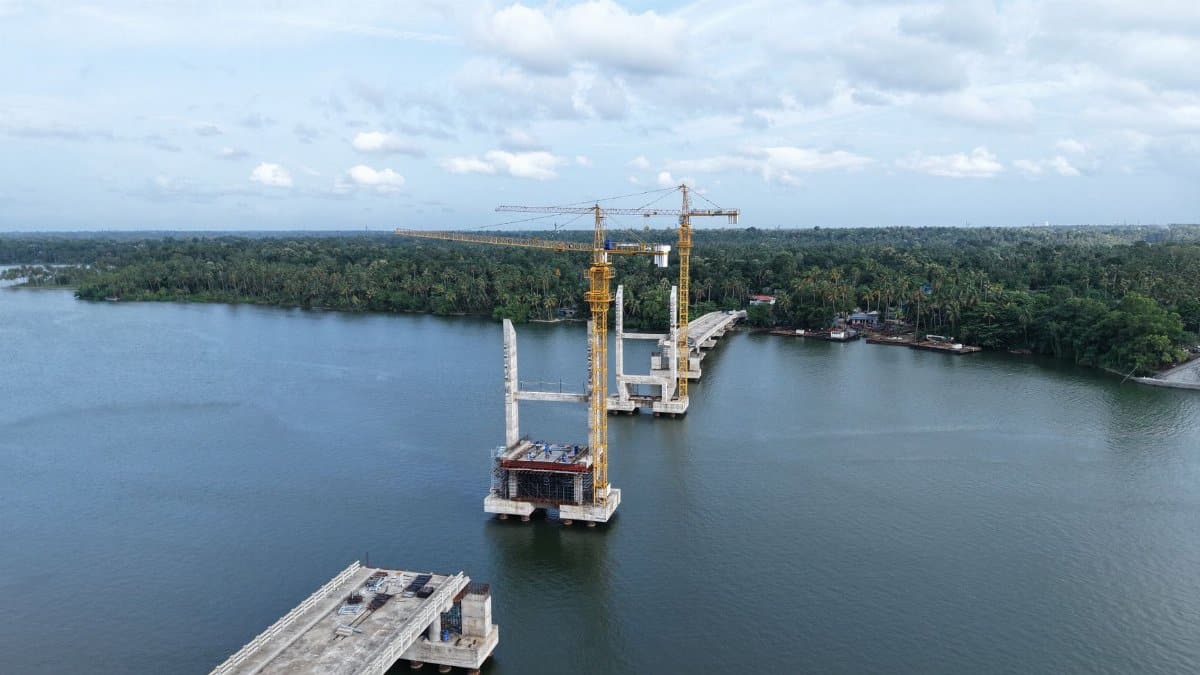
Work progressed through careful coordination of crews and materials with attention to safety standards that protected both workers and nearby communities. The route incorporated elevated and underground segments tailored to urban landscapes. Completion came after years of effort transforming daily routines for many who relied on public transit for airport runs.
Effects On Local Communities

Neighborhoods along the new path experienced shifts in accessibility that supported local businesses and job opportunities. Residents gained quicker routes to employment centers while visitors discovered easier entry points into the city fabric. Such changes underscored the role of transit in fostering inclusive growth across varied districts.
Integration With Existing Networks

The addition tied smoothly into the broader Chicago Transit Authority framework enhancing overall system capacity. Riders benefited from coordinated schedules that minimized wait times and maximized convenience. This linkage demonstrated thoughtful design aimed at long range functionality rather than isolated improvements.
Broader Economic Influences

Business activity around the airport corridor expanded as reliable transport encouraged investment and tourism. The extension supported industries dependent on frequent travel while easing burdens on highways during peak periods. Analysts noted sustained benefits that rippled through regional economies over subsequent years.
Challenges Overcome During Development

Budget constraints and technical obstacles tested the resolve of all involved yet adaptive strategies kept momentum alive. Community input helped refine plans to address concerns about noise and displacement. These negotiations shaped a final product that balanced progress with local needs effectively.
Legacy In Contemporary Transit Planning
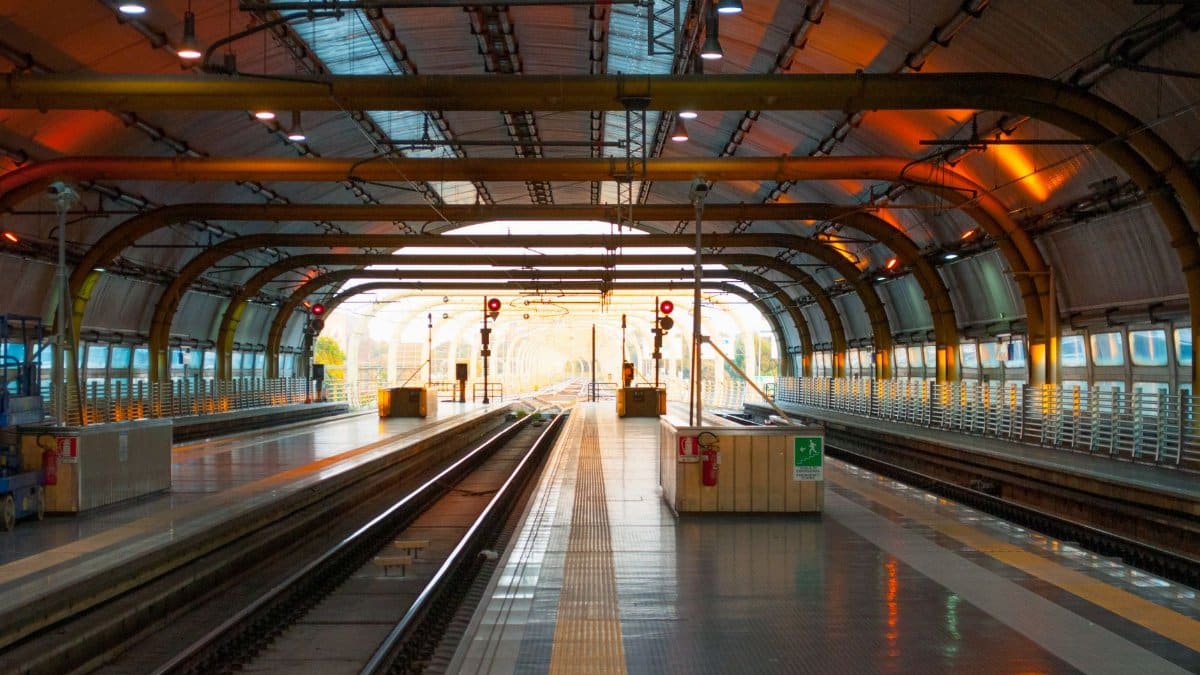
Today planners reference the O’Hare L extension history when evaluating new connections in dense metropolitan areas. Its success offers insights into balancing innovation with practicality for future expansions. The story continues to inspire discussions on sustainable mobility solutions that serve diverse populations well.