
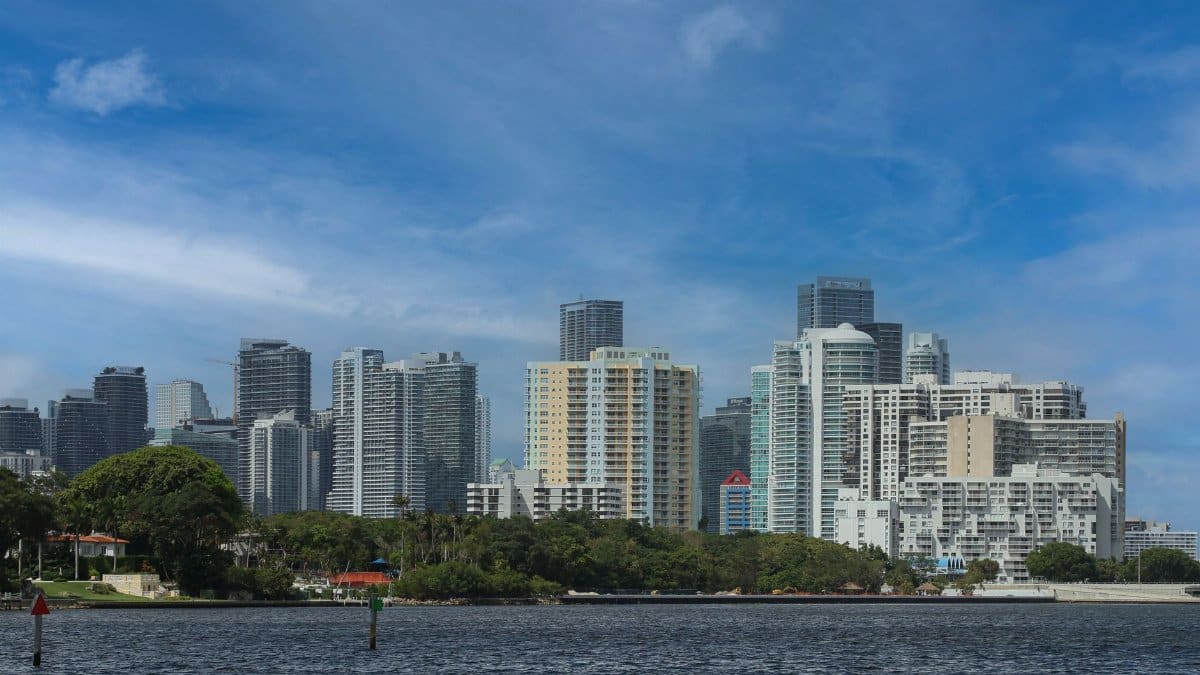
In the vibrant coastal stretch of Miami known as Edgewater a drawn out legal standoff over prime waterfront land has come to an end. The Biscayne 21 settlement has allowed a major redevelopment project to move forward after years of contention among property owners and a development firm. This outcome reflects the shifting dynamics of urban growth in South Florida where individual holdouts can shape the pace of change for entire blocks. Residents who resisted offers for their units eventually agreed to terms that cleared the path for new construction while providing substantial payouts to those involved.
The Origins of the Property Conflict

The building at the center of attention stood as a modest midcentury structure amid rising property values along Biscayne Bay. Owners of individual units found themselves at odds with plans to replace the aging complex with a high rise tower. Tensions built as market pressures increased and proposals for acquisition circulated among the group. Over time the divide between those ready to sell and those committed to staying created a complex web of negotiations that drew in lawyers and local officials.
Key Players in the Negotiations

Two Roads Development emerged as the lead entity seeking to assemble the site for its luxury project. On the other side stood a small number of residents who viewed their homes as irreplaceable. Their resistance prolonged discussions and forced repeated revisions to financial offers. Mediators eventually helped bridge the gap by structuring payments that addressed both immediate concerns and long term needs of the remaining owners.
Financial Terms Behind the Agreement

Reports indicate the total value of the Biscayne 21 settlement approached fifty million dollars distributed among the holdouts. This figure covered unit purchases and additional compensation for relocation expenses. Such arrangements highlight how real estate deals in competitive markets often require creative financing to satisfy all parties. The payout allowed the developer to gain full control without further court intervention.
Impact on the Edgewater Neighborhood
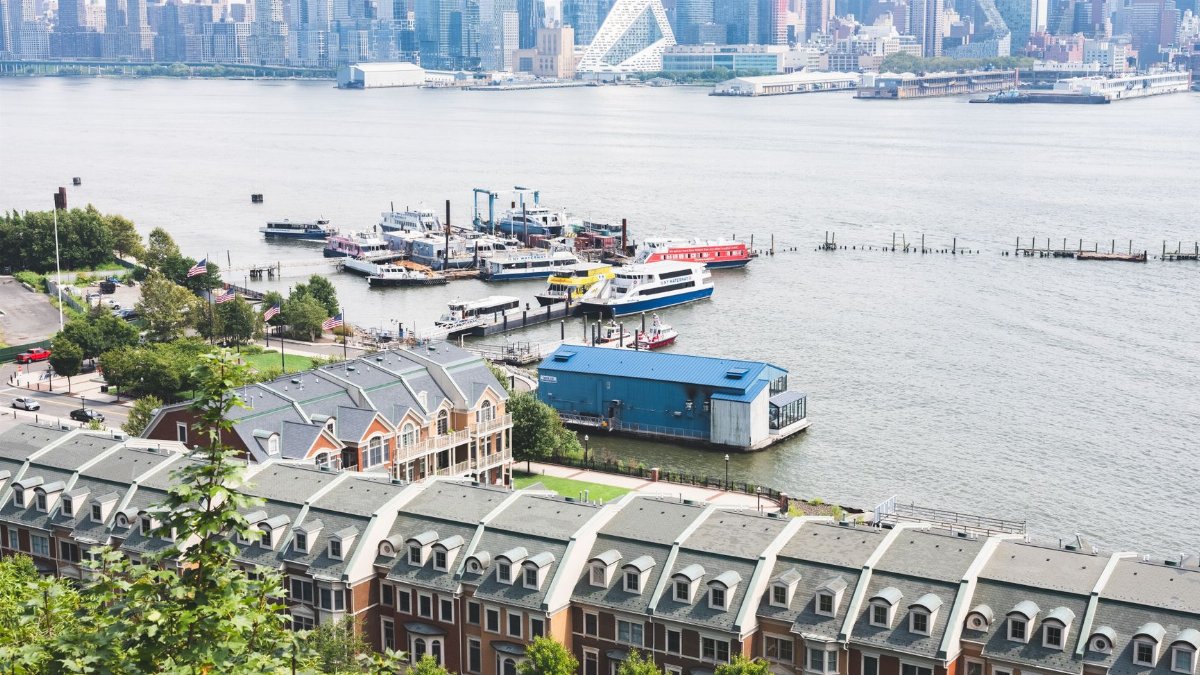
Edgewater has seen steady influxes of new residents and businesses in recent years. The resolution of this case adds momentum to ongoing transformations along the waterfront. New construction promises added amenities yet also raises questions about affordability and community character. Local observers note that similar projects have altered traffic patterns and public access to the bay shoreline.
Legal Pathways Explored During the Dispute

Florida statutes governing condominium terminations played a central role in the proceedings. These laws permit majority votes to force sales under certain conditions though holdouts can delay the process through appeals. The Biscayne 21 settlement avoided a full trial that might have set precedents for future cases in the state. Attorneys on both sides cited prior rulings to strengthen their positions throughout the talks.
Future Vision for the Redeveloped Site

Plans call for a modern tower offering high end residences with views of the water and city skyline. Amenities are expected to include pools fitness centers and ground level retail spaces. The project aligns with broader trends toward vertical living in dense urban zones. Completion timelines remain subject to permitting and supply chain factors common in large scale builds.
Broader Trends in Miami Real Estate

South Florida continues to attract investors from across the country and overseas. Rising demand has pushed prices upward and encouraged conversions of older properties. The Biscayne 21 settlement fits into a pattern where developers target underutilized sites near water. Analysts suggest such activity will persist as long as population growth supports higher density housing.
Community Reactions to the Outcome

Some longtime residents expressed relief that uncertainty has lifted while others voiced regret over the loss of familiar structures. Public meetings revealed mixed sentiments about the scale of incoming development. Civic groups have called for greater input on design elements to preserve neighborhood identity. The episode serves as a reminder of how individual decisions can influence collective surroundings.