
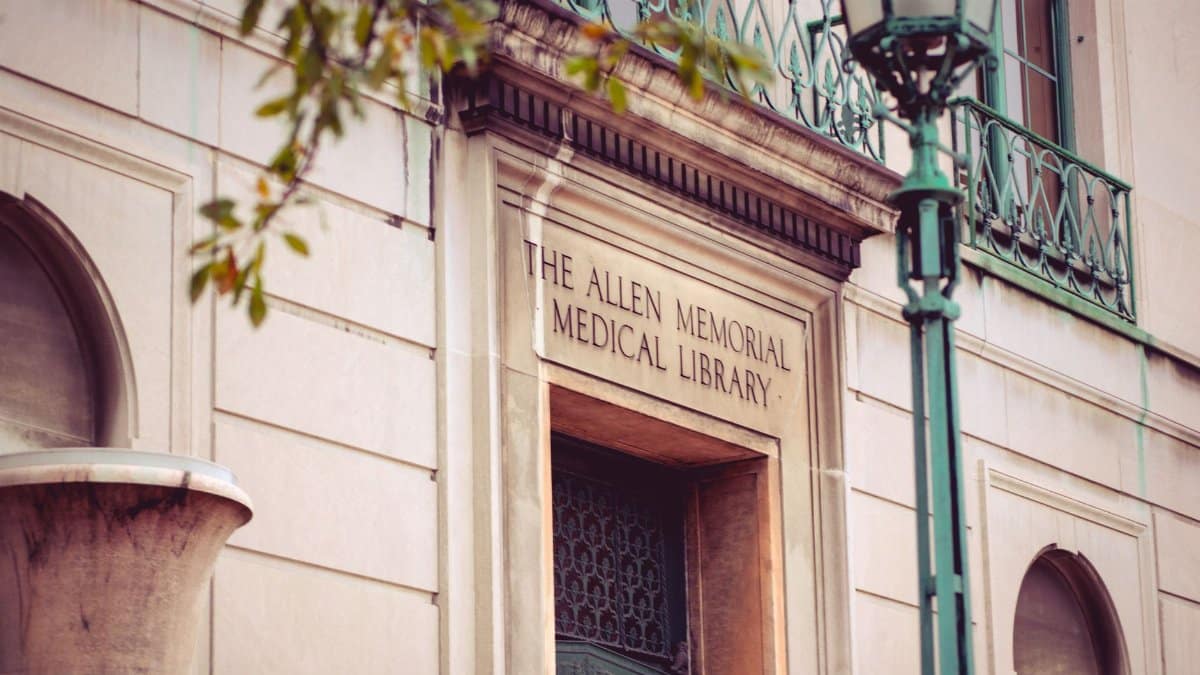
In communities south of Chicago where access to consistent medical care has long presented challenges, a notable development is taking shape at Ingalls Memorial Hospital. University of Chicago Medicine has established family medicine and internal medicine tracks that form part of broader UChicago residency programs. These additions aim to prepare new physicians while addressing regional needs for skilled practitioners who understand local patient populations. The effort reflects a deliberate step to strengthen training pipelines in areas that often compete with larger urban centers for talent. Observers note that such placements can foster deeper connections between hospitals and the neighborhoods they serve, potentially improving continuity of care over time.
Historical Context of Hospital Partnerships

Ingalls Memorial has operated for decades as a key provider in the south suburbs. Collaborations with academic medical centers like the University of Chicago have evolved gradually, shifting from occasional rotations to structured residency commitments. This progression mirrors wider trends in medical education where institutions seek to distribute training beyond central campuses.
Details of the New Family Medicine Track

The family medicine component focuses on comprehensive outpatient and inpatient experiences tailored to diverse age groups. Residents will manage chronic conditions, preventive services, and acute issues common in suburban settings. Faculty emphasize cultural competence given the varied demographics of Harvey and surrounding towns.
Internal Medicine Curriculum Highlights
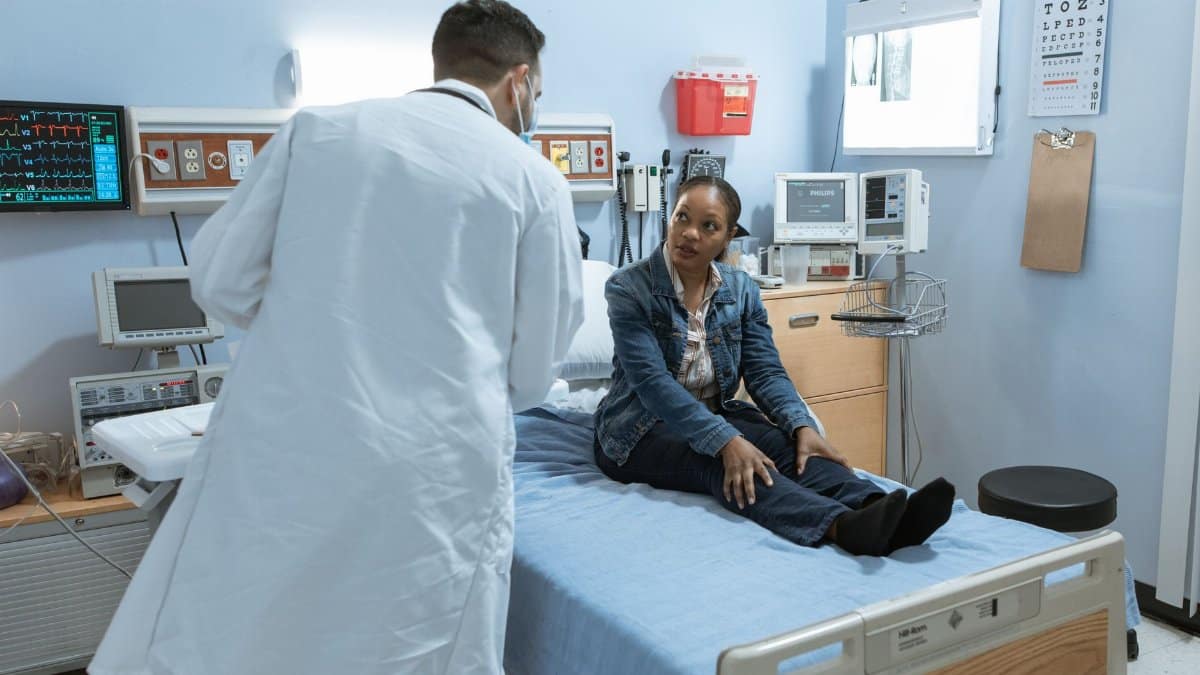
Internal medicine training at the site covers hospital based care alongside ambulatory clinics. Participants gain exposure to cardiology, gastroenterology, and endocrinology through integrated schedules. The structure encourages longitudinal patient relationships that build diagnostic skills and follow up practices.
Impact on Local Healthcare Workforce

By placing trainees at Ingalls Memorial, UChicago residency programs contribute to a steadier supply of doctors familiar with regional health patterns. Retention rates often improve when physicians complete portions of their education near their future practice locations. Community leaders express optimism that this could ease shortages in primary care specialties.
Patient Care Improvements Expected
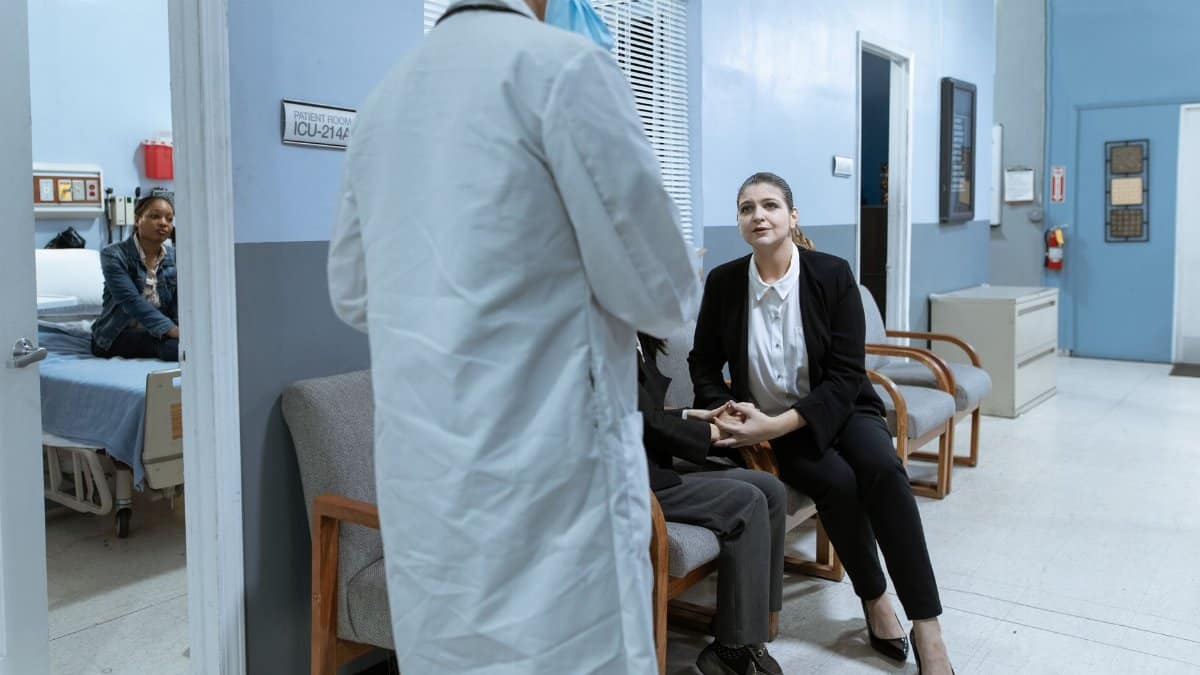
Expanded residency presence typically correlates with increased appointment availability and more thorough case reviews. Hospitals report that teaching environments prompt staff to adopt updated protocols. Residents bring current evidence based approaches that complement the experience of attending physicians already on site.
Challenges in Suburban Training Sites

Logistical hurdles include coordinating schedules across multiple locations and ensuring adequate supervision ratios. Transportation for residents and limited housing options near Harvey require creative solutions from program administrators. Despite these factors, the initiative proceeds with attention to maintaining educational quality.
Role of University Leadership

Administrators at the University of Chicago Medicine have prioritized outreach to underserved corridors. Strategic decisions around UChicago residency programs reflect data on population health needs and projections for physician demand. Regular evaluations will guide adjustments as the programs mature.
Perspectives from Current Medical Trainees
Early participants describe the setting as offering hands on variety without the intensity of a large tertiary center. They value direct involvement in community health initiatives and the chance to observe how social determinants influence outcomes. Feedback sessions help refine daily workflows.
Future Expansion Possibilities

Program directors have indicated openness to additional specialties if initial cohorts demonstrate success. Discussions include potential fellowships or interprofessional training with nursing and pharmacy students. Such growth would further embed academic resources within the south suburban landscape.
Broader Implications for Medical Education

Models like this one illustrate how academic medical centers can extend their influence while responding to geographic disparities. Similar arrangements in other regions have produced measurable gains in both trainee satisfaction and local health metrics. Continued observation will reveal how UChicago residency programs perform in this context over successive years.