

In recent months investors have watched as borrowing costs climbed across the economy. The ten year Treasury yield reached four point eight zero percent. This development has drawn attention to rising bond yields and their effects on everyday life. Households now face higher mortgage rates and more expensive loans for cars and education. Government borrowing to cover large deficits adds pressure. Inflation concerns linger as well. These forces combine to lift yields not just in the United States but around the world. Families planning to buy homes or refinance find themselves paying more each month. The trend reflects broader shifts in how governments fund themselves and how markets price risk.
Government Borrowing Expands

Large federal deficits require the Treasury to sell more debt each quarter. Pension funds and foreign buyers absorb some of the supply yet demand extra return to hold longer notes. That extra return shows up as higher yields. When the government borrows at scale it competes with private borrowers for available capital. The result is a steady upward drift in rates paid by companies and consumers alike.
Inflation Expectations Shift

Price data continues to show persistent gains in services and shelter. Markets adjust by requiring more compensation for the risk that future dollars will buy less. Higher inflation assumptions feed directly into longer term yields. Central banks respond with caution rather than quick rate cuts. This cautious stance keeps the upward pressure on yields in place.
Mortgage Costs Rise Sharply
Home buyers see the change most clearly in monthly payments. A four point eight zero percent ten year yield pushes thirty year fixed mortgages above seven percent in many markets. Existing homeowners delay moves because they would surrender low rate loans. Housing activity slows and prices in some regions begin to soften.
Global Markets React in Tandem
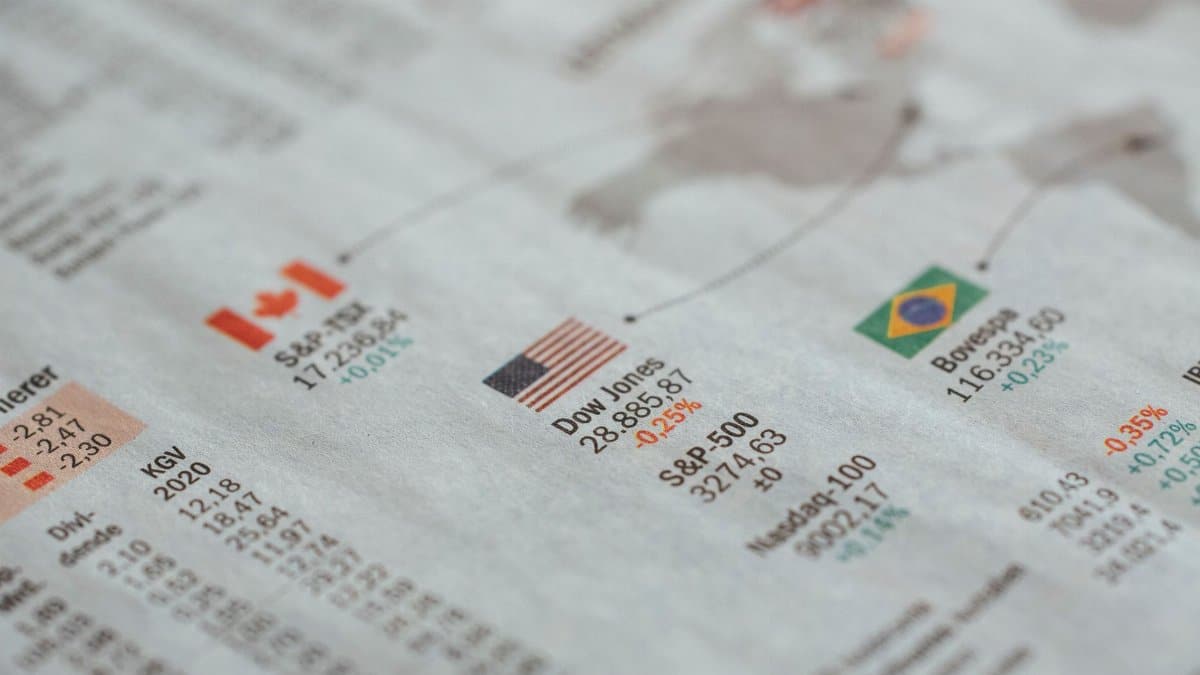
European and Asian governments also face heavy borrowing needs. Their bond auctions reveal similar patterns of rising yields. Currency swings add another layer as investors compare real returns across borders. When American yields climb they often pull capital away from other regions. That flow reinforces the global nature of the increase.
Corporate Funding Becomes Costlier

Companies that rely on bond sales to finance expansion now pay more to attract buyers. Energy and utility firms feel the pinch first because they carry large debt loads. Some projects are postponed while others move forward with thinner profit margins. Shareholders notice the effect through slower earnings growth over time.
Consumer Loans Follow the Trend

Auto loans and credit card balances carry variable rates tied to benchmarks that track Treasury yields. Families notice larger minimum payments even when they have not taken new debt. This squeeze reduces discretionary spending on travel and dining. Retailers report softer sales in categories that depend on borrowed money.
Retirees Confront New Realities

Pension plans and insurance companies adjust portfolios to match higher yields. Some plans improve funded status while others must set aside extra reserves. Individuals who rely on bond ladders for income gain higher coupons yet face reinvestment risk if yields later fall. The net impact varies by age and asset mix.
Policy Makers Weigh Options

Lawmakers debate spending restraint while the Treasury maintains its auction calendar. Any delay in deficit reduction keeps supply elevated. Central bankers monitor wage and price data for signs that inflation has truly cooled. Their communications influence short term market moves yet leave longer yields largely in the hands of fiscal trends.