

Washington state has set a notable example in how elections can be conducted with complete reliability. Through its mail in system the state delivered an accurate mail-in election where every vote was verified without error. This achievement stands in contrast to concerns raised elsewhere about the reliability of voting by mail. Over time officials have built a process that includes multiple checks and balances to ensure accuracy from the moment a ballot arrives until the final tally. Voters have grown accustomed to the convenience and the assurance that their voices count as intended. The result is a high level of public trust in the outcomes.
Understanding the Verification Steps Used
Election staff begin by confirming each envelope signature against records on file. Machines then scan bar codes to log receipt while workers separate ballots from envelopes in secure rooms. Any mismatched item receives a second review by a bipartisan team before it proceeds or gets set aside for further contact with the voter. These layers reduce the chance of mistakes to nearly nothing and create a clear trail that auditors can follow later.
The Role of Technology in Ballot Handling
Software tracks every ballot as it moves through sorting and counting stations. Digital images allow teams to review marks that appear unclear without touching the physical paper again. Regular tests with known sample ballots confirm that scanners read choices correctly each day. Such tools support human oversight rather than replace it and help maintain the perfect record reported in the most recent cycle.
How Voters Participate in Large Numbers
Many residents appreciate the option to mark ballots at home and drop them at secure sites or send them through the postal service. Turnout often exceeds national averages because the method removes barriers such as long lines or weekday work conflicts. Education campaigns remind people of deadlines and signature rules so that most ballots arrive ready for processing. High participation combined with accurate counting strengthens the overall legitimacy of results.
Comparing Outcomes With Other States

States that rely more on in person voting on a single day sometimes report higher rates of provisional ballots that require extra review. Washington avoids many of those issues by spreading the workload across weeks. Its error rate sits far below places that adopted mail voting only recently and without the same infrastructure. Observers note that long practice and steady investment appear to make the difference.
Building Public Confidence Over Time

Surveys show residents view the process as trustworthy because problems surface rarely and get resolved openly. Local news outlets cover the counting centers where cameras record activity around the clock. When questions arise officials release detailed reports rather than brief statements. This transparency turns potential doubts into further proof that the system works as designed.
The Impact on Future Election Planning
Lawmakers now consider expanding drop box locations and refining signature verification software based on past performance. Budget discussions focus on sustaining the workforce that handles peak volume periods. Other jurisdictions send delegations to observe operations and adapt elements that fit their own laws. The model continues to evolve while preserving the core strengths that produced flawless results.
Addressing Common Concerns About Mail Voting
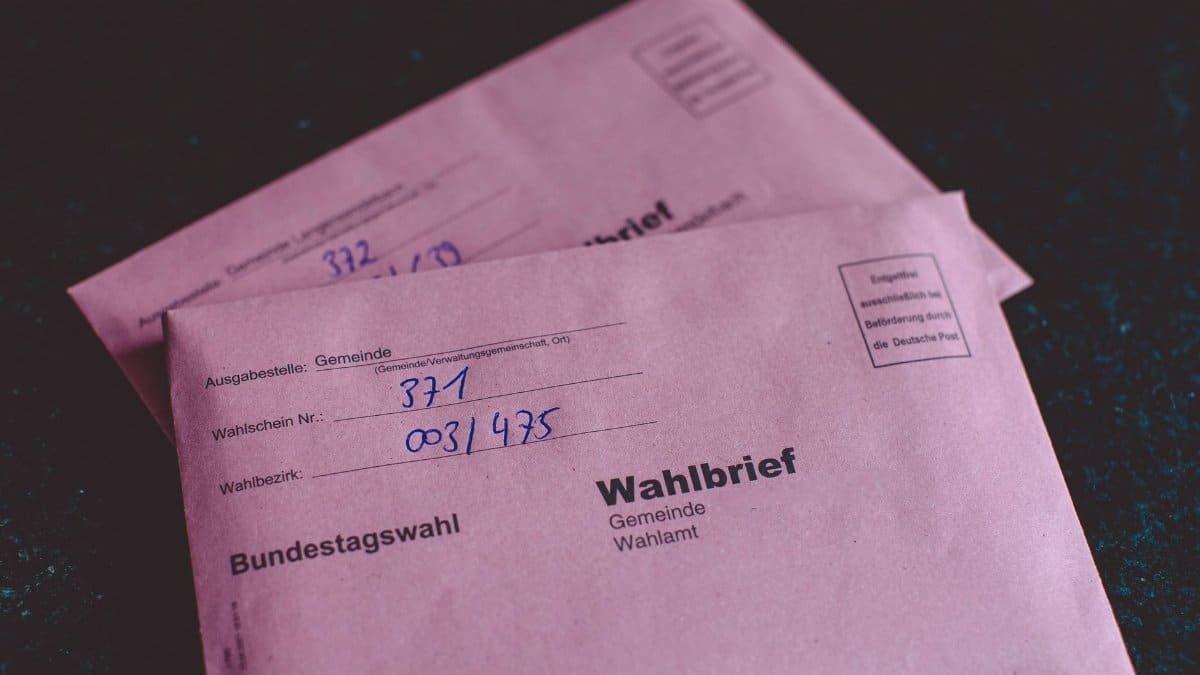
Critics often mention risks of lost ballots or improper influence yet state data shows very few such cases over many cycles. Chain of custody rules and witness requirements deter fraud while allowing broad access. When isolated issues appear they receive prompt investigation and public explanation. The overall record demonstrates that risks can be managed without limiting voter options.
Lessons for National Discussions on Voting Methods
Washington experience suggests that accuracy comes from consistent procedures and adequate resources rather than any single technology. States weighing changes may benefit from studying how this approach integrates mail and early voting with strong safeguards. Continued dialogue among officials from different regions could help spread effective practices. In the end an accurate mail-in election depends on attention to detail at every stage.