

In Sacramento this fall a package of measures aimed at reshaping how the state manages emissions trading revenue environmental reviews and electricity costs reached the governor for signature. The arrival of these California climate bills marks another chapter in a years long effort to balance rapid clean energy growth with concerns over housing construction costs and household utility bills. Lawmakers worked through late nights to reconcile competing priorities from environmental advocates and business groups before sending the texts forward. Observers note that the decisions now before Governor Newsom could influence both immediate project approvals and longer range infrastructure investments across the state.
Background on the Legislative Package
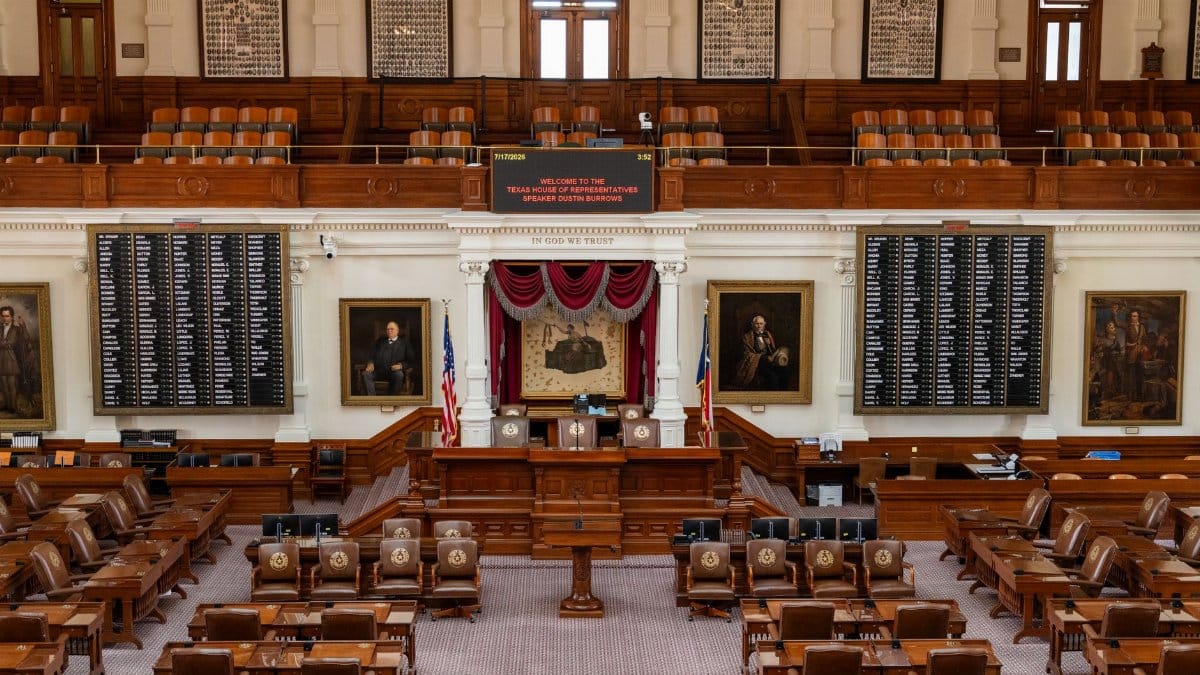
The bills address several interconnected issues that have occupied state agencies for more than a decade. One measure would direct proceeds from the cap and invest program toward projects that lower emissions while supporting communities already facing air quality challenges. Another would adjust review processes under the California Environmental Quality Act to speed approvals for housing and renewable energy facilities without removing core safeguards. Utility regulators would gain new tools to stabilize rates during the shift away from fossil fuels.
Impacts on Housing Development
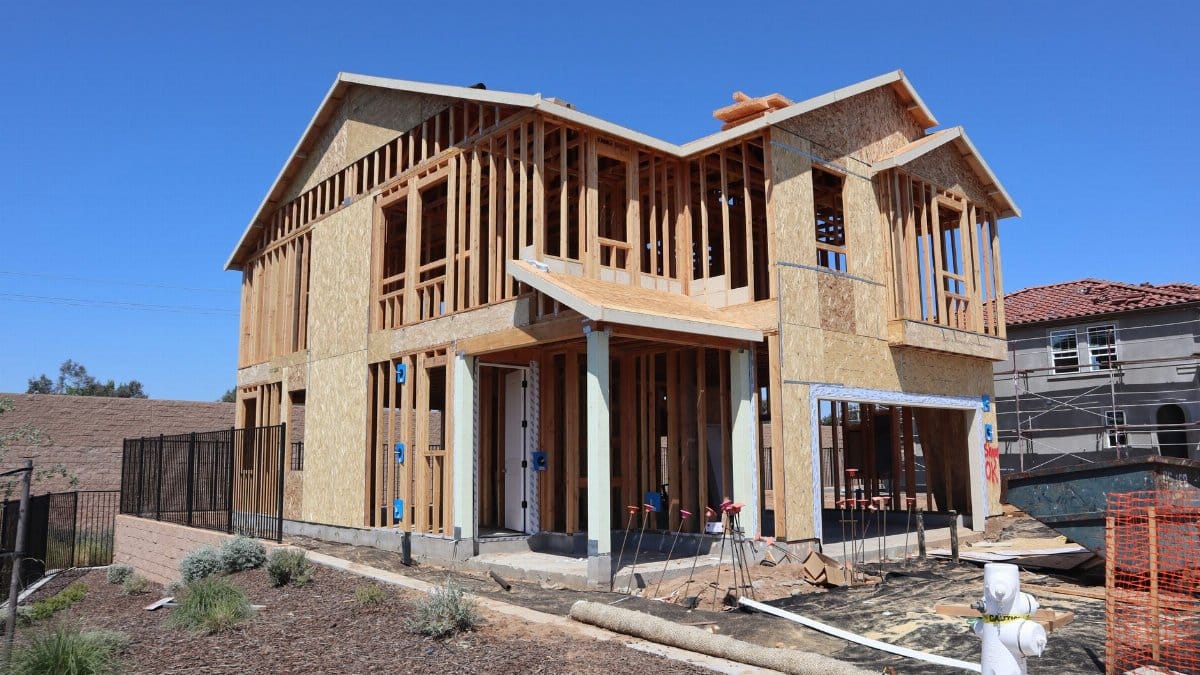
Builders and local governments have long argued that extended review timelines raise costs and delay needed homes. The proposed changes seek to limit repetitive lawsuits while still requiring analysis of significant environmental effects. Supporters say the reforms could unlock thousands of units near transit lines where residents would drive less. Critics worry that faster timelines might overlook cumulative effects on water supplies and open space in fast growing regions.
Changes to Utility Rate Oversight
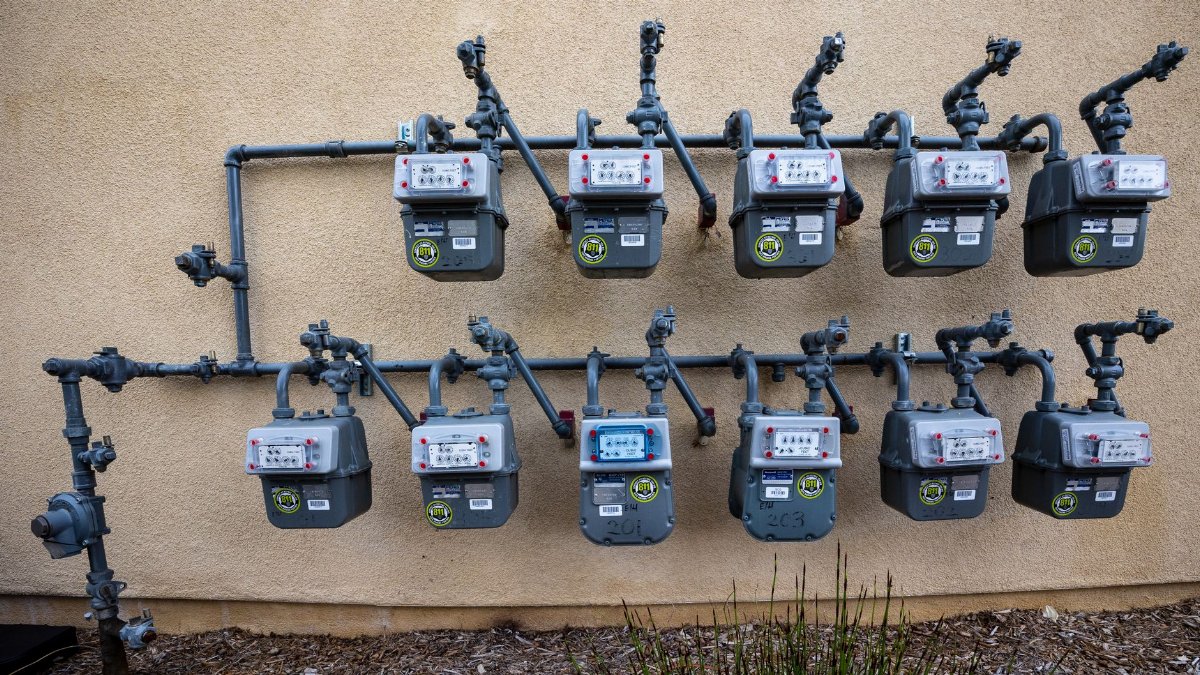
Electricity prices have climbed steadily as utilities invest in wildfire prevention and grid modernization. The legislation would require the Public Utilities Commission to consider affordability more explicitly when setting rates. It also directs utilities to accelerate upgrades that allow greater integration of rooftop solar and battery storage. Consumer advocates welcomed the focus while warning that costs must be shared fairly across income levels.
Funding Priorities from Emissions Trading

Revenue from the cap and invest system has supported high speed rail transit improvements and forest management. The new bills would expand eligible uses to include direct assistance for low income households facing higher energy costs. They also emphasize spending in areas that have hosted oil refineries or power plants for generations. State analysts project several billion dollars in annual proceeds over the coming decade depending on allowance prices.
Grid Reliability Measures

California aims to reach 100 percent clean electricity by 2045 yet faces reliability questions during extreme weather. The package includes provisions to streamline permitting for transmission lines that move power from remote solar and wind sites to coastal cities. It also funds pilot programs for virtual power plants that aggregate home batteries to reduce peak demand. Grid operators have testified that such steps are essential to avoid shortages as fossil fuel plants retire.
Reactions from Environmental Organizations

Groups that have pushed for stronger protections largely endorsed the package though some called for additional amendments. They praised the continued commitment to emissions reductions and the emphasis on equity in spending decisions. A few organizations expressed disappointment that certain oil industry exemptions survived the final negotiations. Overall the consensus view among advocates is that the bills represent meaningful progress rather than a major retreat.
Business Community Perspectives

Chambers of commerce and industry associations offered measured support focused on the potential for faster project approvals. They highlighted provisions that could reduce litigation risk for renewable energy and manufacturing facilities. At the same time they urged the governor to monitor cumulative regulatory burdens that might affect competitiveness with other states. Several executives noted that clear rules and timely decisions matter as much as the substance of the policies themselves.
Next Steps for the Governor

Governor Newsom has until the end of the month to sign or veto the measures. His office has signaled that affordability and implementation speed will guide the review. If approved the laws would take effect at different times with some provisions requiring additional rulemaking by state agencies. Lawmakers have already begun discussing follow up legislation for the next session to address issues left unresolved this year.