
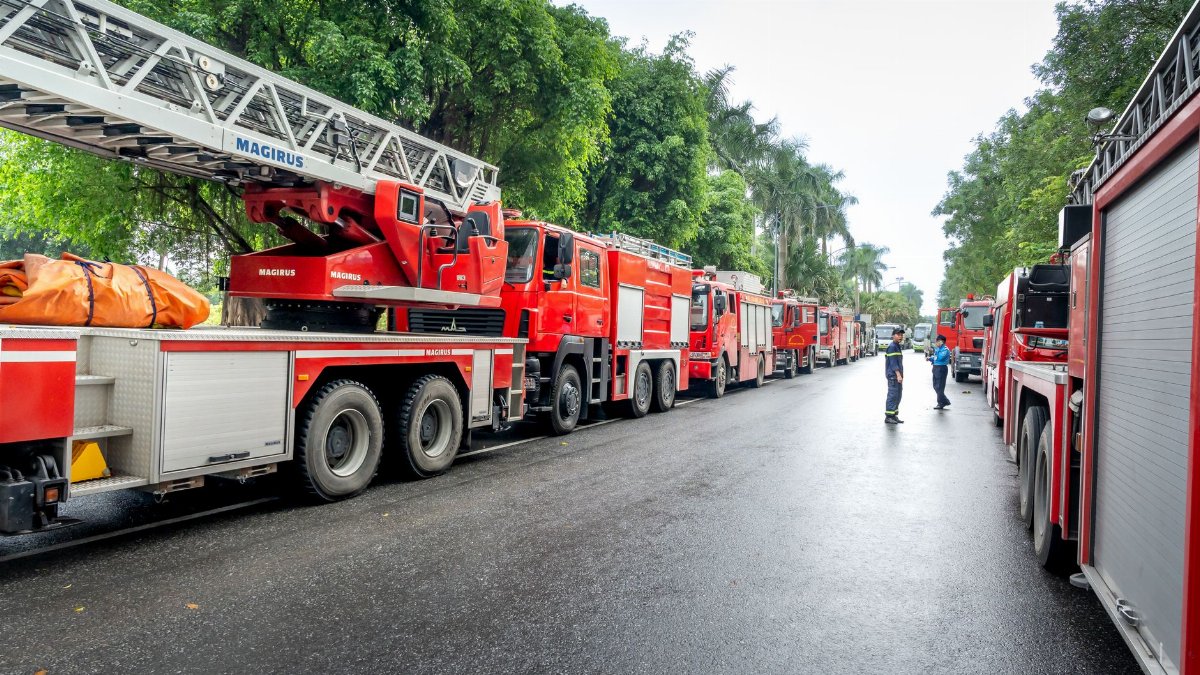
In the heart of Seattle, as crowds prepare to gather for the annual Bumbershoot festival at Seattle Center, local leaders have turned attention to keeping people connected when normal channels fail. Recent steps by officials Wilson and Sayles focus on building an emergency communications plan that reaches residents quickly and clearly, especially in times of sudden disruption. This effort reflects broader concerns about how cities handle alerts during large events or natural events that can upend daily life.
Building Stronger Community Links
Seattle has long faced challenges with public alerts during peak seasons. The new approach centers on multiple channels that work even if power or cell service drops. Residents can expect updates through radio, text systems, and neighborhood networks that fill gaps left by standard media.
Lessons from Past Events
Previous festivals showed delays in sharing critical details with attendees. By studying those moments, planners identified weak points in message delivery. The goal is faster response times that prevent confusion and support orderly movement when crowds need guidance.
Role of Local Government Teams
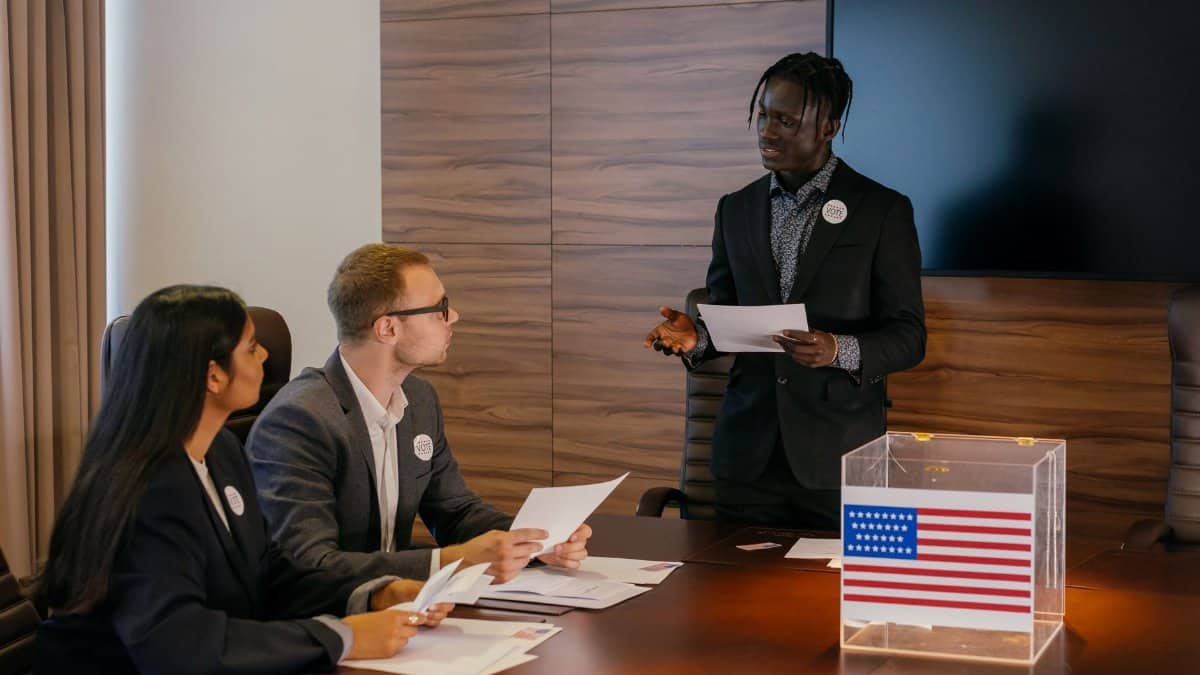
Wilson and Sayles have coordinated across departments to test new alert methods. Their work includes training staff on consistent language that avoids panic while delivering facts. This teamwork extends to partnerships with event organizers who know the layout of Seattle Center.
Technology Behind the Updates
Modern tools allow messages to reach phones and home devices at once. The emergency communications plan relies on backup power for broadcast towers and apps that function offline. Officials stress testing these systems before the festival begins so nothing is left to chance.
Public Involvement in Safety
Community meetings invite feedback on how alerts should sound and where to post them. Families learn simple steps like signing up for notifications or designating meeting spots. Such participation turns the plan from a document into shared practice that strengthens daily resilience.
Preparing for Large Gatherings
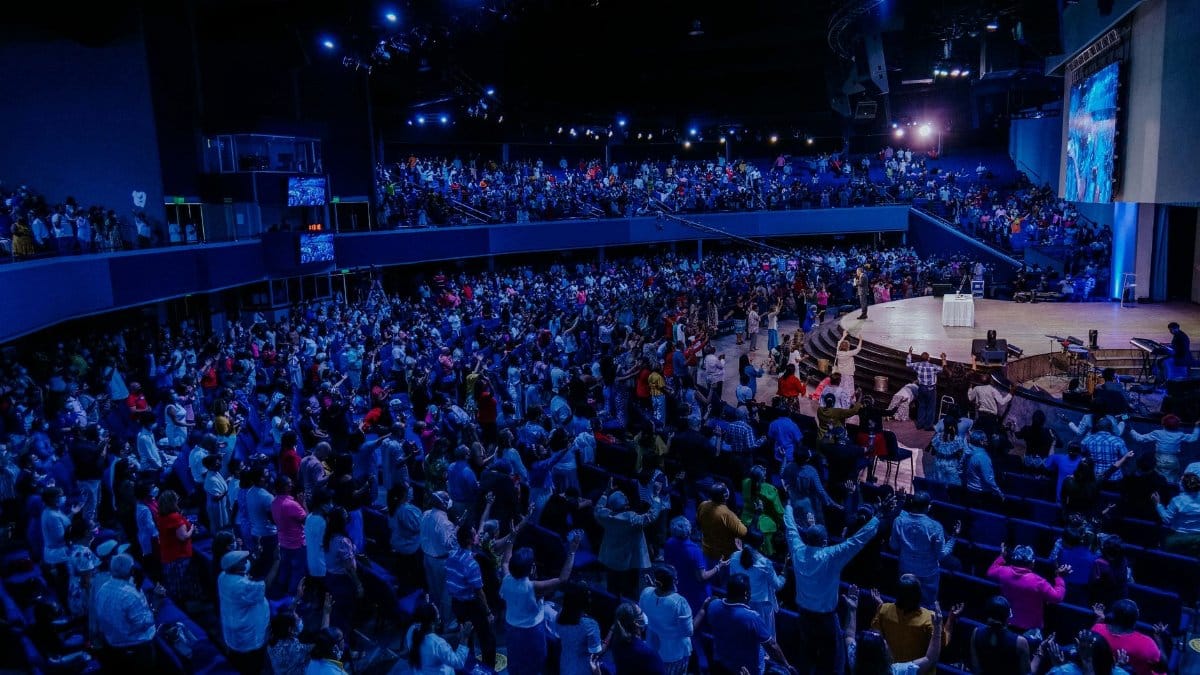
Bumbershoot draws thousands each year, making clear instructions vital. Maps and signs will now include emergency directions alongside entertainment details. The emergency communications plan also covers translation for diverse language groups to ensure everyone receives the same information.
Training and Practice Sessions
Regular drills help responders stay ready. These sessions simulate different scenarios, from weather issues to crowd surges. Participants practice sending and receiving messages so the flow stays smooth under pressure.
Looking Ahead to Future Needs

As cities grow, plans must adapt to new risks. Seattle leaders review data after each event to refine the emergency communications plan. This ongoing process keeps the focus on real outcomes rather than theory alone.
Connecting Safety with Daily Life
Beyond festivals, the same systems support neighborhoods year round. When winter storms or other events occur, the same alerts guide residents. The result is a habit of awareness that fits naturally into routines without added stress.