
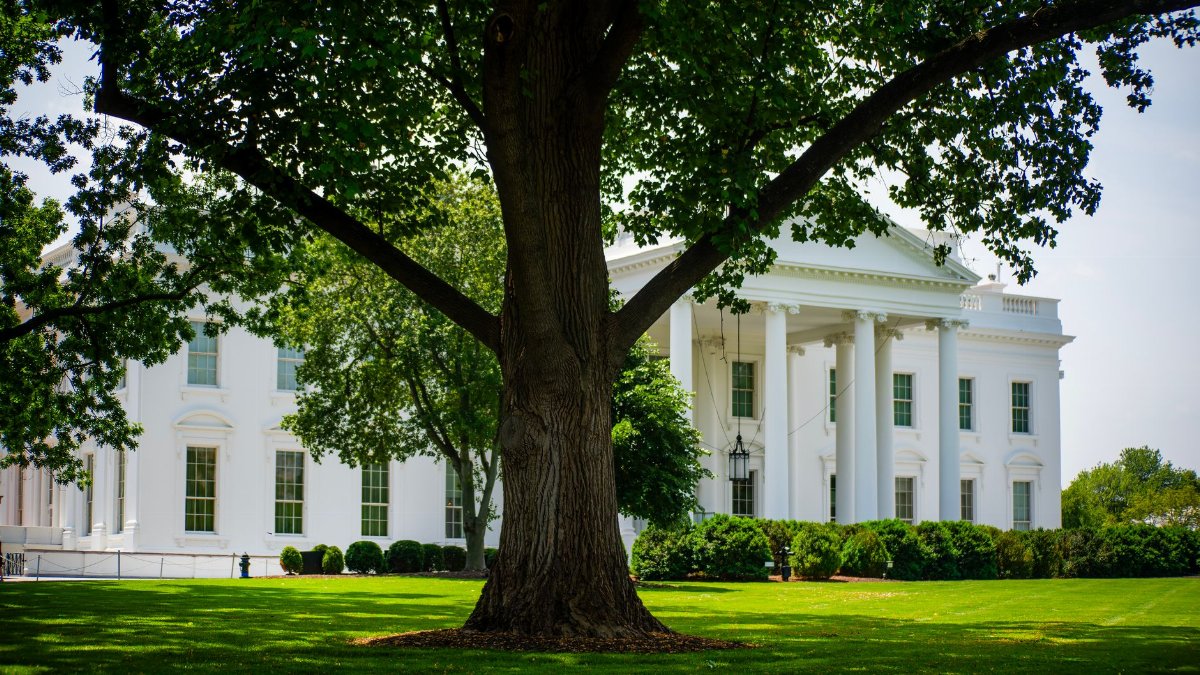
A federal court in Maryland has issued a ruling that stops President Trump from advancing his newest plan to restrict who can claim citizenship at birth. This decision arrives amid ongoing national discussions about immigration and constitutional interpretations. The judge cited recent Supreme Court precedent as a key factor in halting the measure. Observers note that birthright citizenship blocked further progress on the executive action for now. Such cases highlight the tension between presidential authority and judicial oversight in matters of national importance. Legal experts suggest the outcome could influence how similar policies are pursued in coming months.
The Courts Role in Shaping Immigration Policy
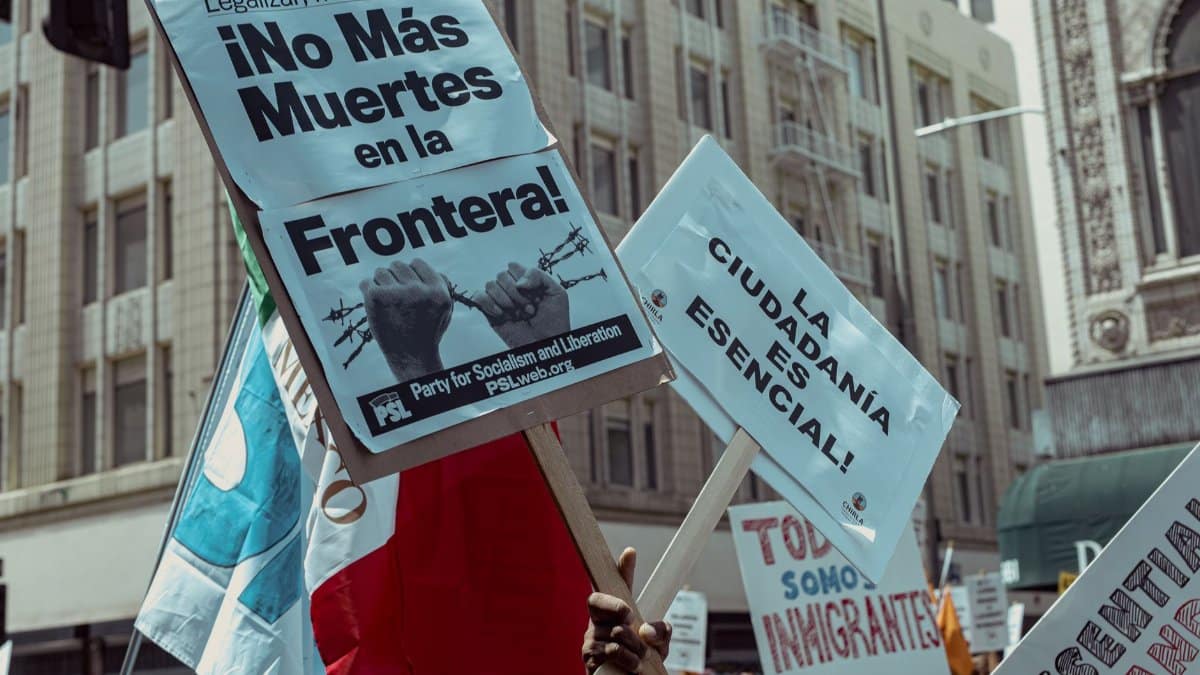
Federal judges have long served as a check on executive actions related to immigration. In this instance the Maryland ruling underscores how courts examine the scope of presidential power when it intersects with established constitutional provisions. The decision draws on prior cases that limit abrupt changes to long standing practices. Analysts point out that such interventions maintain balance among branches of government while protecting individual rights from rapid policy shifts.
Understanding the Constitutional Basis for Citizenship

The fourteenth amendment forms the foundation for citizenship rules that have endured for generations. Courts interpret its language to include those born on United States soil regardless of parental status in most circumstances. This framework has faced repeated challenges yet remains central to legal arguments today. The recent block reinforces judicial reliance on historical readings of the amendment rather than newer restrictions.
Reactions from Political Leaders Across the Spectrum
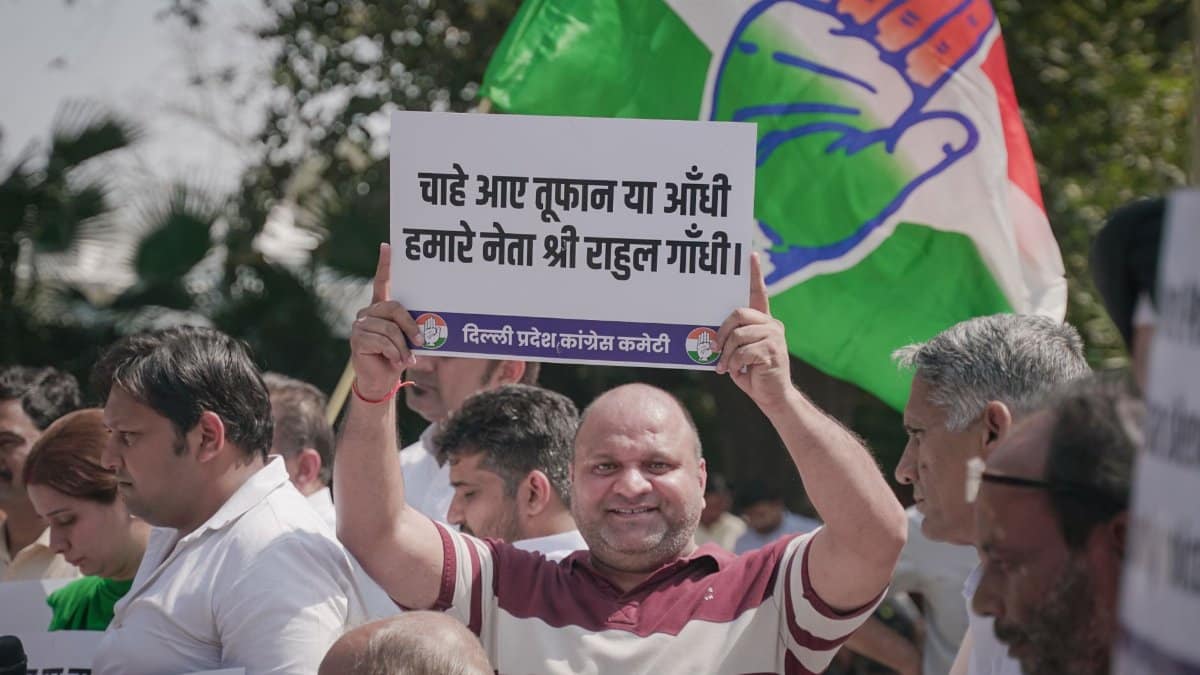
Leaders in both parties have offered measured responses to the ruling. Some view it as a necessary safeguard against overreach while others see it as an obstacle to needed reforms. Congressional figures have called for legislative clarity to reduce reliance on court battles. These varied statements reflect deep divisions over how citizenship should be defined in practice.
Potential Effects on Families and Communities

Individuals and households connected to recent immigration patterns may experience uncertainty following the decision. Communities with mixed status members often navigate complex legal landscapes that affect daily life and planning. Advocates emphasize the human dimension behind abstract legal terms as families await further developments. Broader social services could see adjustments based on how policies evolve after judicial review.
Comparisons with Past Attempts to Alter Citizenship Rules

Previous administrations have explored limits on birthright citizenship through various means yet encountered similar judicial resistance. Historical patterns show that courts tend to uphold core constitutional elements when faced with executive orders. This latest case fits within that sequence of events where legal precedent prevails. Observers recall earlier efforts that also stalled at the district level before higher review.
The Influence of Supreme Court Decisions on Current Cases
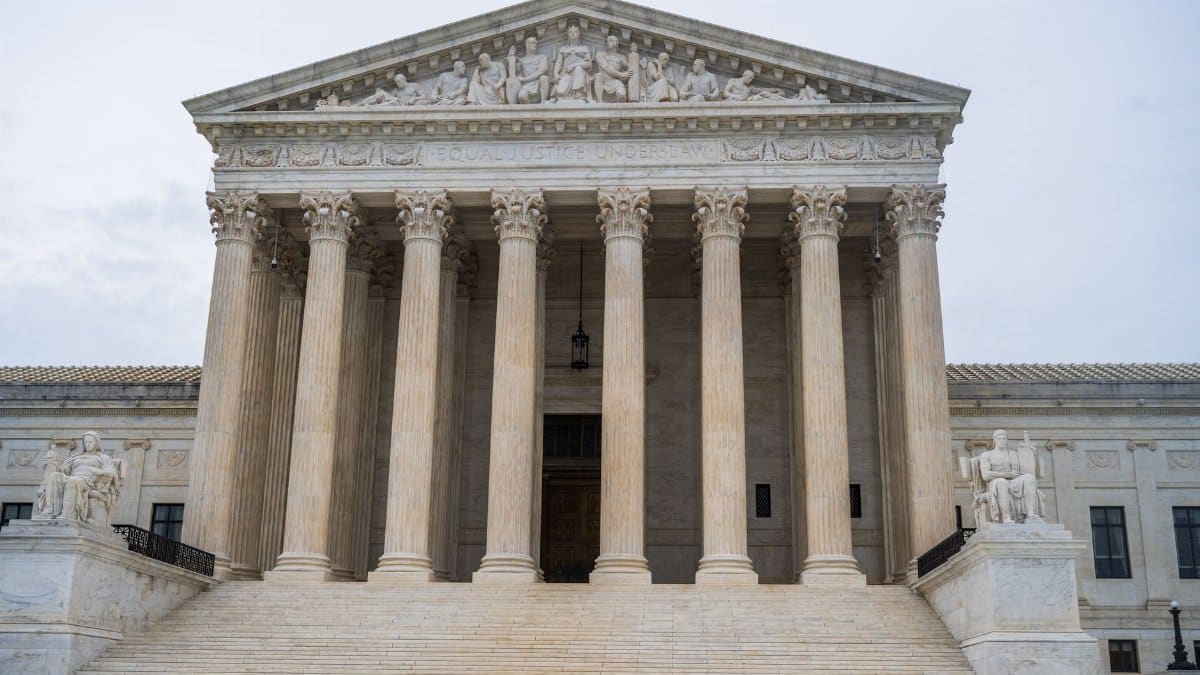
Recent Supreme Court guidance played a direct part in the Maryland judges reasoning. Precedents emphasizing separation of powers and limits on agency actions informed the outcome. Legal scholars examine these connections to predict how appeals might unfold. The interplay between high court rulings and lower court applications shapes the trajectory of immigration enforcement nationwide.
Public Opinion and Media Coverage of the Issue

Surveys indicate divided public views on citizenship questions with many favoring stability in existing rules. Media outlets have covered the ruling extensively framing it within larger debates on borders and rights. Coverage often highlights expert analysis alongside personal stories from affected groups. This attention keeps the topic prominent in national conversations.
Future Prospects for Similar Legal Challenges

Additional cases testing citizenship boundaries may arise in other districts creating potential for conflicting rulings. Appeals processes could eventually return matters to the Supreme Court for definitive resolution. Policymakers may seek statutory solutions to complement or circumvent judicial blocks. The current outcome sets a tone for how future attempts at restriction will be evaluated in court. birthright citizenship blocked remains a focal point in these ongoing legal and political exchanges.