
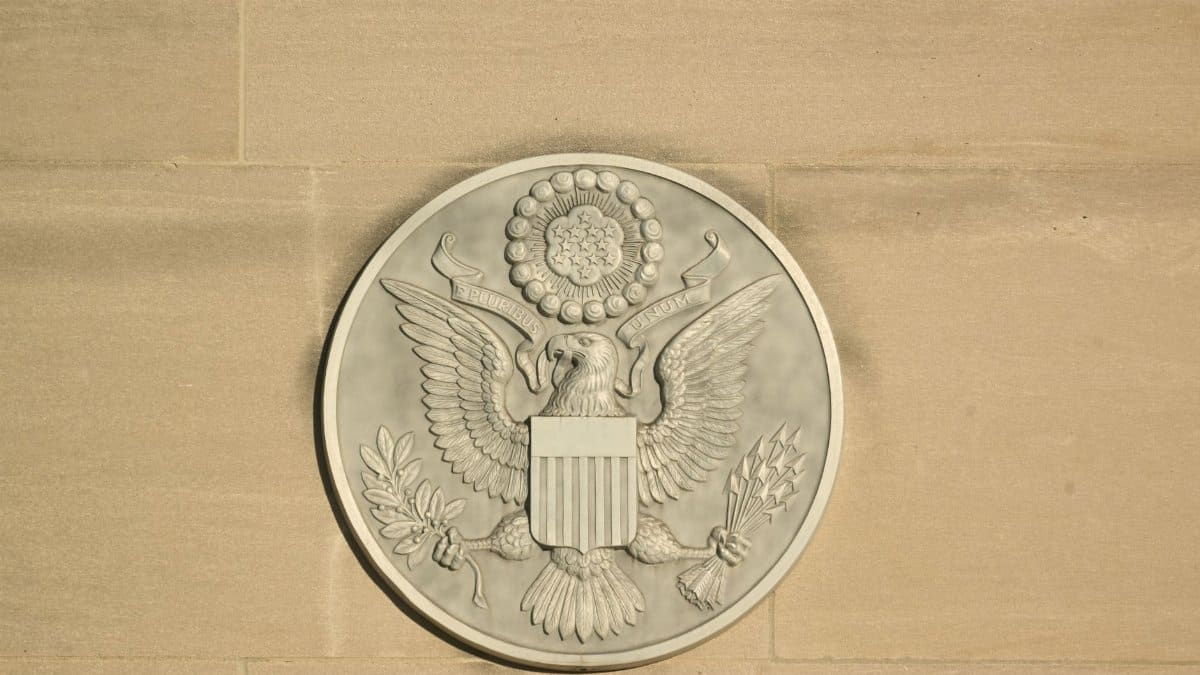
In recent years the American public has expressed growing concerns about the integrity of its leaders in Washington. A University of Massachusetts study released this month shows that three out of four respondents believe there exists a great deal of corruption at the federal level. The federal corruption poll underscores these views with clear numbers that point to a broad loss of faith in government operations. Such results invite reflection on what this means for civic life and how citizens might respond to institutions they view with suspicion.
Public Sentiment Across Regions

The findings from this survey reveal notable differences in how people from various parts of the country view federal operations. Residents in rural areas tended to express higher levels of concern compared with those in urban centers. These variations suggest that local experiences shape broader opinions about national governance in ways that national averages alone cannot capture.
Roots of Current Distrust

Many observers trace the current climate to a series of high profile scandals that have unfolded over recent decades. When officials appear to place personal gain above public duty the effect on collective morale can last for years. The federal corruption poll captures the cumulative weight of these events rather than any single episode.
Moral Dimensions of Governance

From a perspective that values ethical conduct the poll results raise questions about the spiritual health of a society. When trust in shared institutions erodes individuals may feel a deeper sense of isolation from the common good. This dynamic touches on long standing ideas about virtue in public service and the responsibilities leaders hold toward those they represent.
Comparison With Earlier Surveys

Data from prior decades indicates that concern over federal conduct has risen steadily. Earlier measurements showed lower percentages of respondents voicing strong doubts. The latest federal corruption poll therefore reflects an acceleration of trends that analysts had already begun to document in the early years of this century.
Impact on Civic Participation

Low confidence in government can influence whether people choose to vote or engage in community efforts. Some citizens report that doubts about fairness lead them to withdraw from political activities altogether. Others respond by seeking alternative channels for influence such as local initiatives or nonprofit work.
Role of Media Coverage
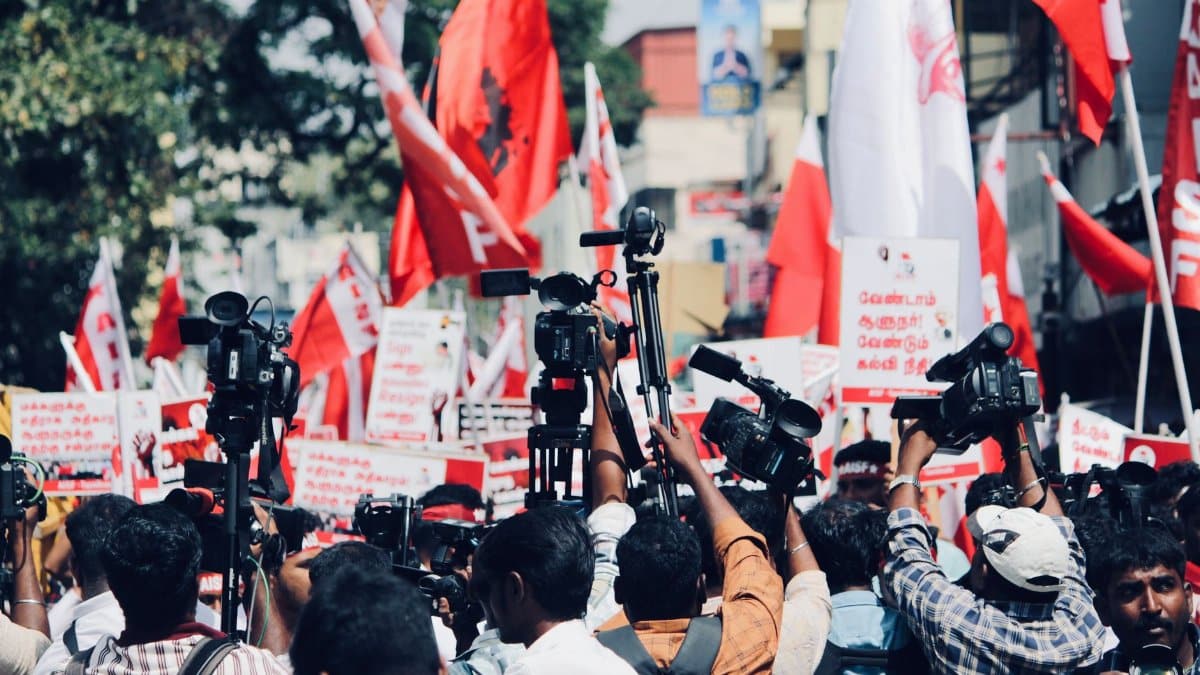
News reporting plays a significant part in shaping perceptions of federal conduct. Detailed accounts of investigations and hearings keep issues of accountability in the public eye. At the same time selective emphasis on certain stories can amplify the sense that problems are more widespread than evidence might confirm.
Paths Toward Greater Accountability

Reform proposals range from stronger oversight mechanisms to changes in campaign finance rules. Proponents argue that such steps could restore a measure of public confidence. Critics caution that structural adjustments alone may not address underlying cultural factors that contribute to perceptions of impropriety.
Future Outlook for Institutional Trust

Looking ahead the trajectory of public opinion will depend on concrete actions by those in office. Sustained efforts to demonstrate transparency could gradually shift the numbers recorded in surveys like the federal corruption poll. Without visible progress however the current pattern of skepticism appears likely to continue.