

In the quiet suburbs south of Boston a tight contest for district attorney drew unusual attention this fall. Voters weighed two candidates with deep legal experience as they considered who should lead prosecutions in Norfolk County. The outcome of the Norfolk DA primary reflected both local priorities and broader shifts in how communities approach criminal justice. Djuna Perkins secured the Democratic nomination after a narrow victory that sets up a likely win in the general election.
Background on the Candidates

Djuna Perkins built her career in public service with roles focused on civil rights and victim advocacy. Her platform emphasized alternatives to incarceration and greater transparency in charging decisions. Adam W. Deitch brought years as a federal prosecutor handling complex cases involving fraud and organized crime. Each presented a distinct vision for the office during the campaign.
Voter Turnout Patterns

Participation in the Norfolk DA primary remained modest yet showed pockets of strong engagement in towns such as Brookline and Quincy. Organizers noted higher interest among residents concerned about opioid cases and domestic violence. Mail ballots played a visible role in shaping the final margin.
Key Issues Raised During the Race
Housing costs and public safety intersected in many voter conversations. Perkins highlighted diversion programs for low level offenses while Deitch stressed aggressive pursuit of financial crimes. Both candidates addressed how the office should handle juvenile matters and mental health crises.
Impact on County Prosecutorial Practices

The winner will oversee an office that manages thousands of cases each year. Changes in plea bargaining or sentencing recommendations could influence local courts for years ahead. Community groups plan to monitor implementation of any new policies.
Reactions from Local Leaders

Elected officials across Norfolk County offered measured responses to the results. Some praised the focus on reform while others urged caution to maintain public confidence. Bipartisan cooperation may still be required on shared challenges such as evidence handling.
Comparison with Past Elections

Previous races for the same position often drew less scrutiny from outside groups. This cycle attracted endorsements from labor unions and progressive organizations alike. The level of debate signaled evolving expectations for district attorneys statewide.
Future General Election Outlook
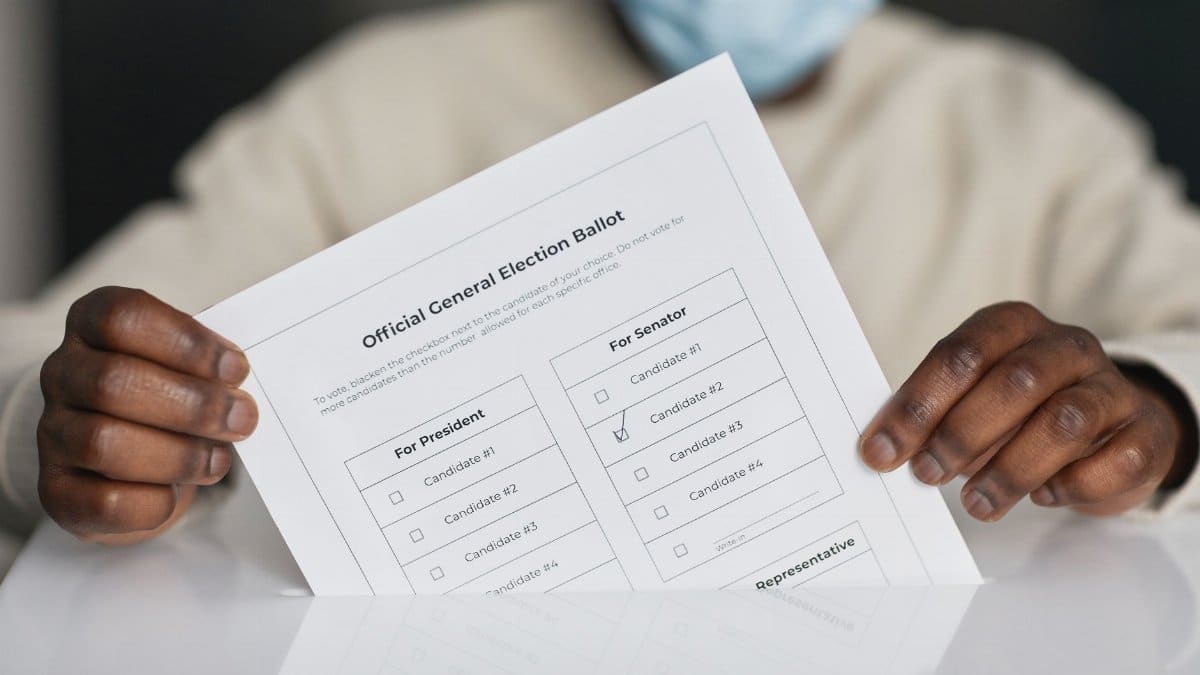
With the Democratic primary settled attention now turns to November. Perkins faces the prospect of an uncontested or lightly opposed general election in a county that leans Democratic. Preparation for transition planning has already begun within her campaign.
Role of Media Coverage

Local outlets provided detailed reporting on candidate forums and policy differences. National attention remained limited yet some legal publications tracked the contest as part of a larger trend in prosecutor races. Accuracy in coverage helped voters sort through competing claims.
Community Perspectives on Reform
Residents expressed varied hopes for the incoming district attorney. Some sought stronger support for survivors of crime while others called for reduced reliance on cash bail. Ongoing dialogue between the office and neighborhood associations will likely shape early priorities.
Broader Implications for Massachusetts

The Norfolk DA primary outcome adds to ongoing conversations about criminal justice across the state. Similar contests in neighboring counties have produced shifts in charging guidelines. Observers will watch whether Perkins approach spreads or remains distinct.