
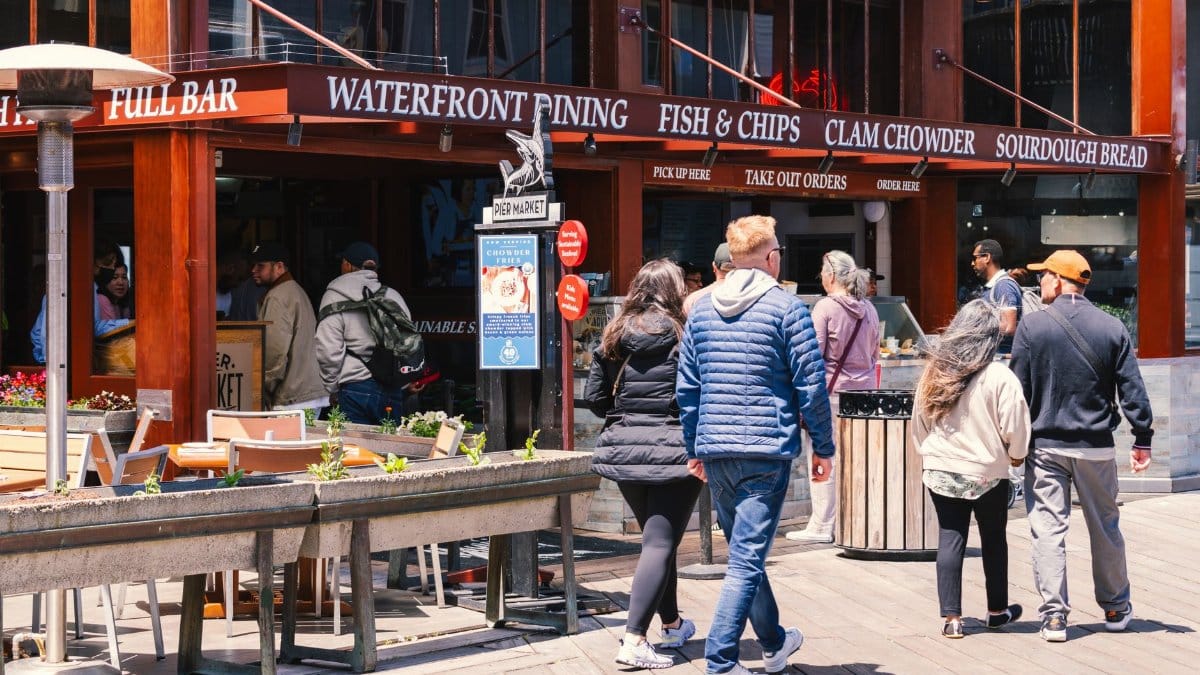
In the heart of San Francisco a once lively marketplace has encountered mounting pressures from shifting consumer habits and economic strains. Crowds that once filled its stalls now appear less frequently leaving operators to seek fresh strategies for revival. A local hospitality group has stepped forward with a plan to manage every bar inside the SF food hall hoping that stronger drink offerings will draw people back and stabilize the entire operation.
Origins of the Venue and Its Initial Promise
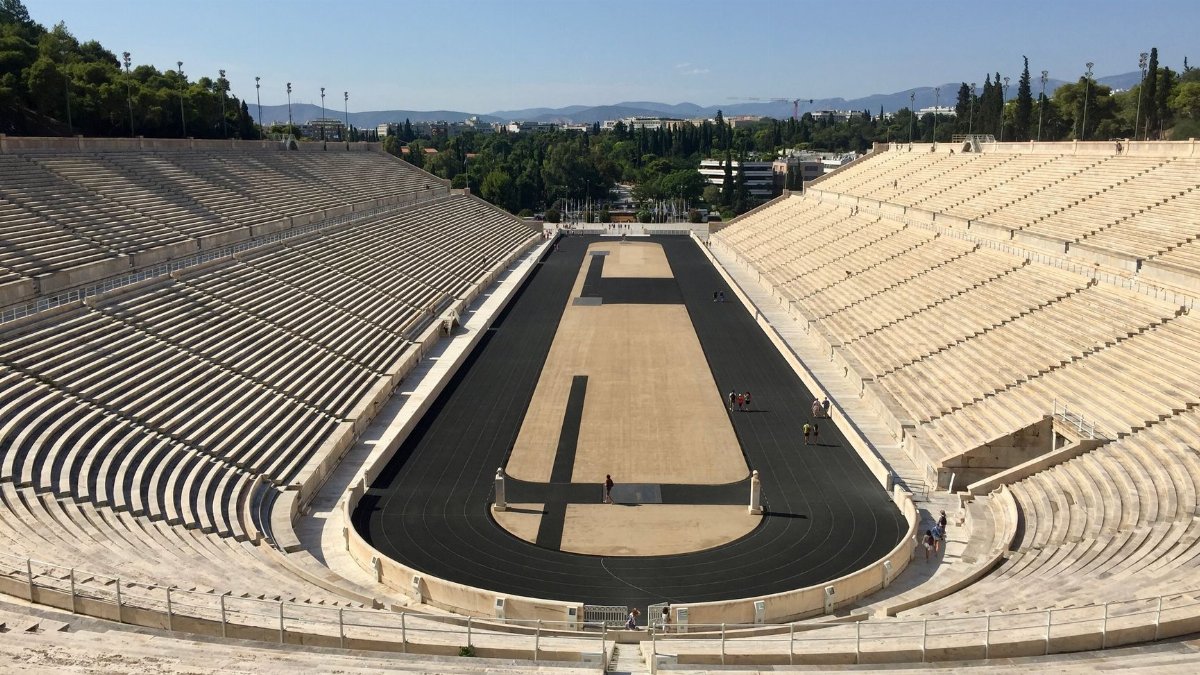
The space opened several years ago as a gathering point for various food vendors offering global tastes under one roof. Its design encouraged casual visits where families and professionals could sample items without committing to a full restaurant meal. Early success came from the variety and central location yet underlying issues soon surfaced.
Challenges Facing Multiple Vendor Spaces Today
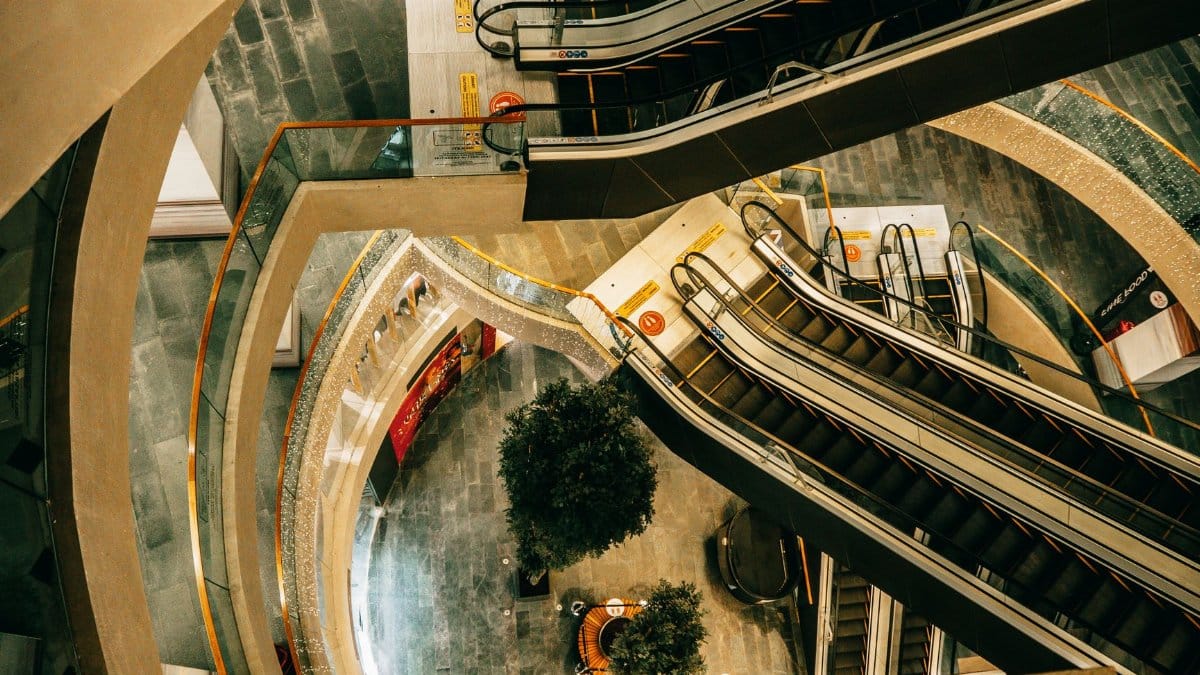
Many similar locations across urban areas report declining foot traffic as remote work reduces weekday visits and inflation affects spending on prepared foods. This SF food hall experienced similar patterns with some stalls closing and overall revenue dropping. Operators noted fewer evening events which once helped sustain activity after standard business hours.
The Hospitality Group Behind the New Bar Strategy
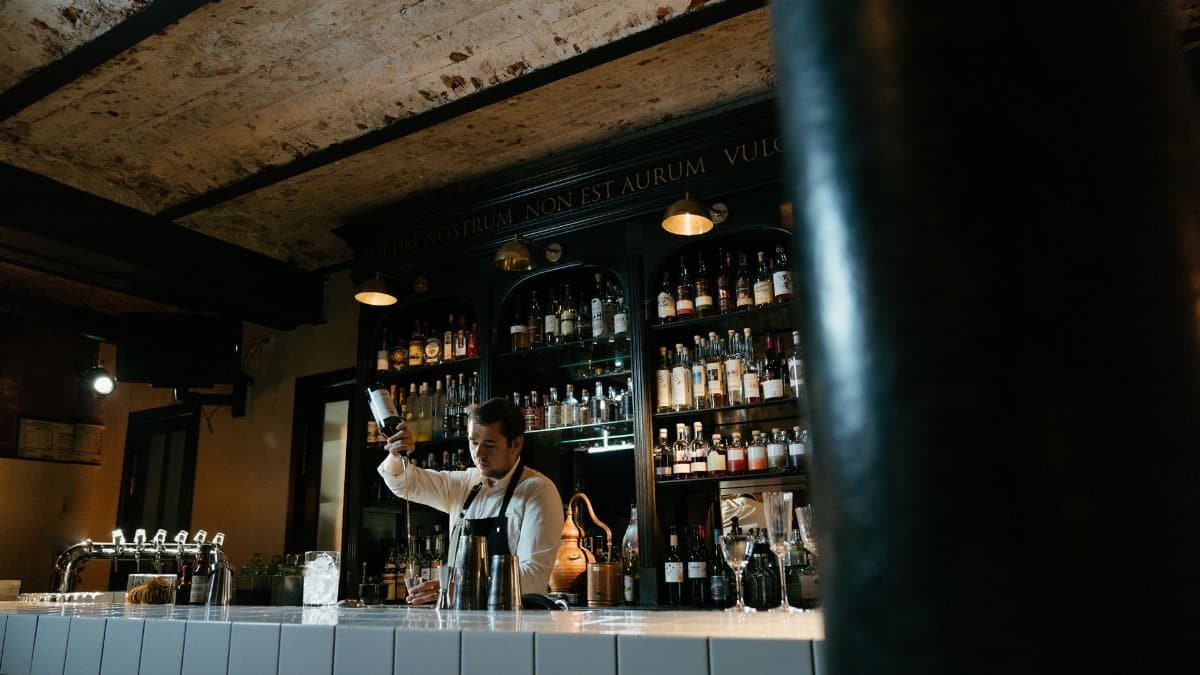
Local experts with experience in neighborhood taverns and event spaces formed the team now taking charge. They emphasize creating consistent service standards across all drink areas rather than leaving operations fragmented among different tenants. Their approach focuses on quality ingredients and welcoming atmospheres suited to middle aged patrons seeking reliable options.
How Bar Management Could Influence Overall Traffic
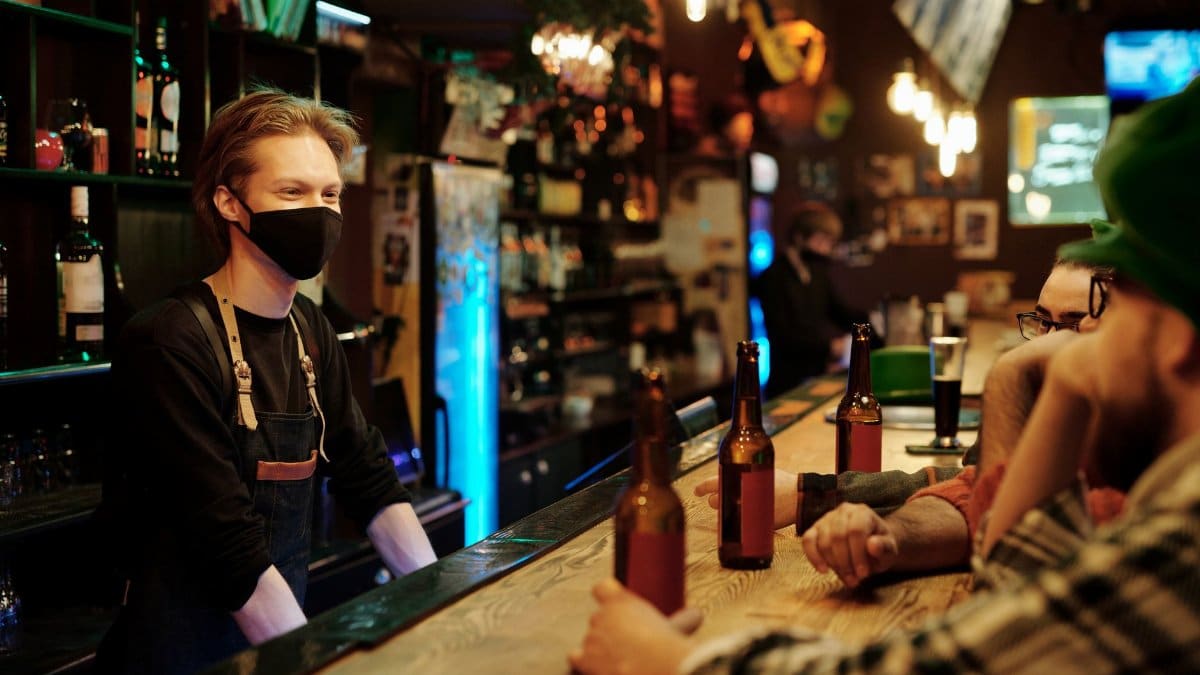
By unifying bar operations the group intends to introduce shared promotions that pair drinks with meals from nearby stalls. This coordination aims to extend visitor stays and encourage repeat trips. Early projections suggest improved evening numbers if the changes align with broader city trends toward localized leisure activities.
Reactions from Existing Food Vendors
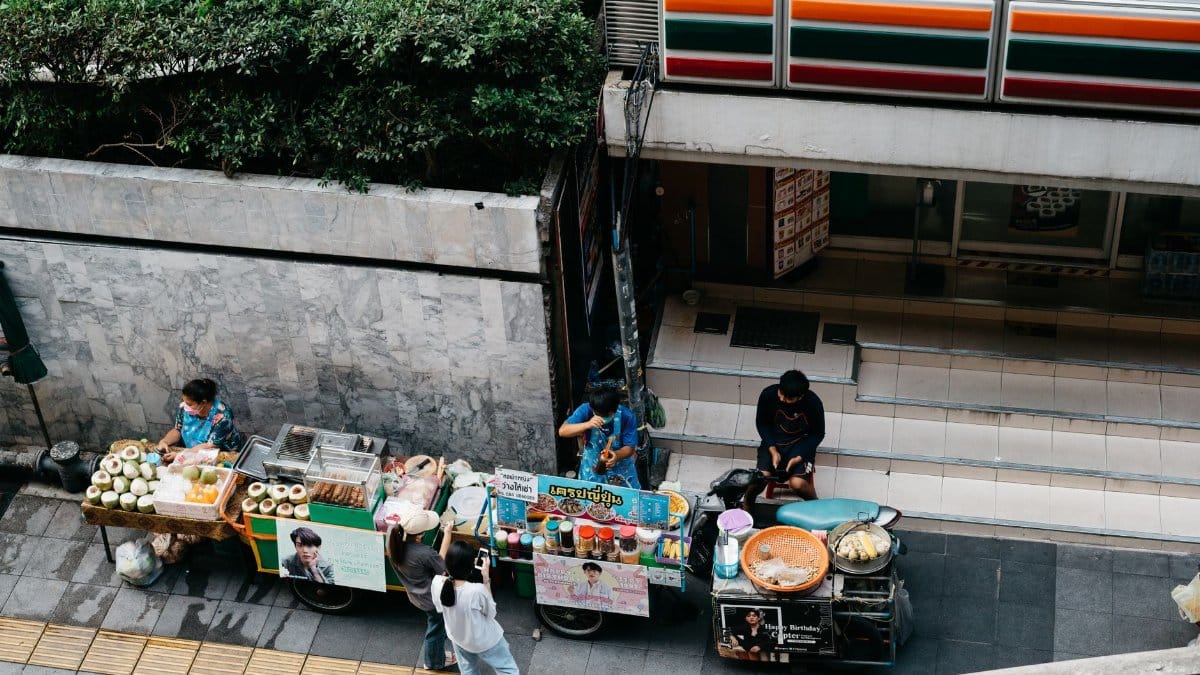
Stall owners express cautious optimism about the shift viewing it as a potential boost to their own sales. Some have already discussed menu adjustments to complement the new bar selections. Others worry about possible rent adjustments or changes in shared maintenance responsibilities that could accompany the transition.
Comparisons with Successful Food Gatherings Elsewhere
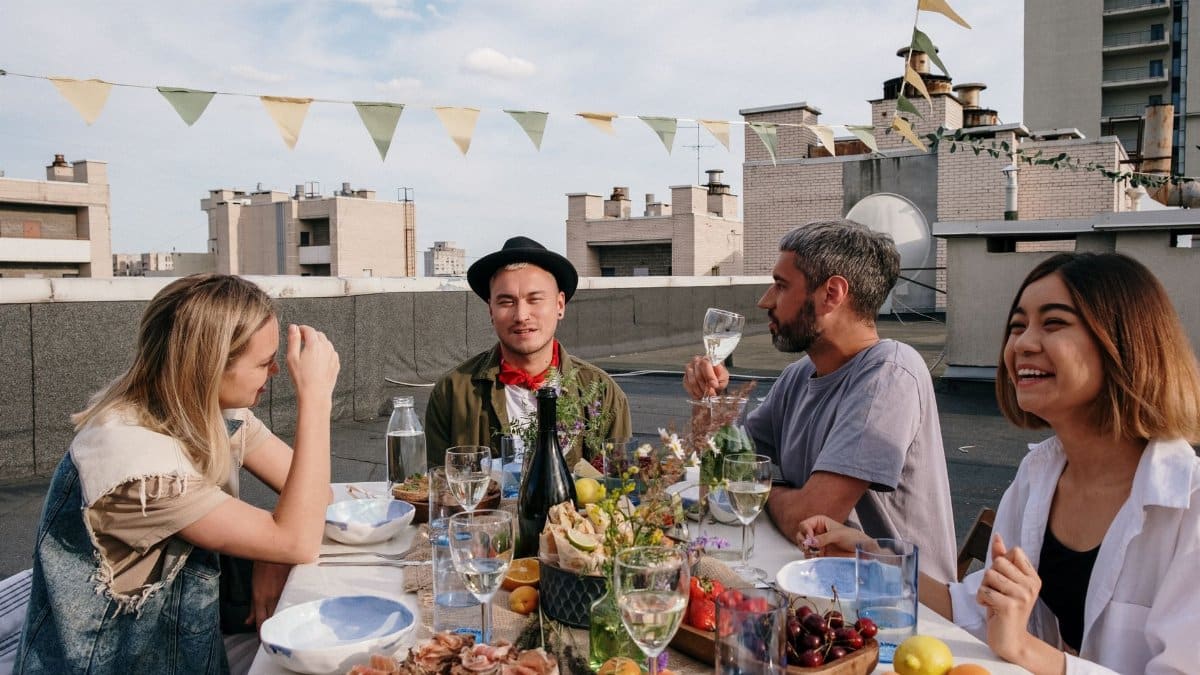
Other cities have seen similar interventions where centralized beverage control helped struggling sites recover. In those cases unified marketing and themed nights played key roles in rebuilding community interest. Observers here hope parallel steps will produce comparable results for this location without requiring major structural alterations.
Potential Effects on Neighborhood Dynamics
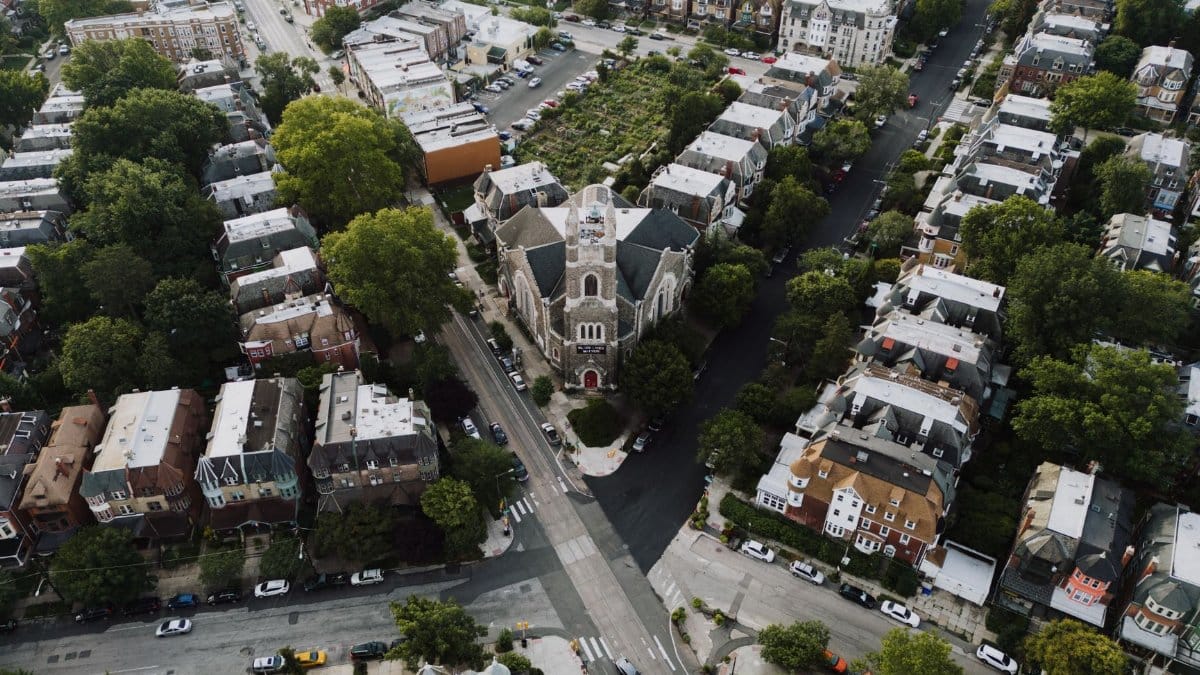
The surrounding area relies on steady visitors to support nearby shops and transit stops. A revitalized SF food hall could contribute to that ecosystem by becoming a more consistent destination. City planners have noted interest in such mixed use sites as anchors for broader commercial stability in mixed residential zones.
Future Steps and Timeline for Implementation

The group plans phased rollouts beginning with staff training and menu development over the coming months. Full operation under new oversight is expected within the year assuming necessary permits and adjustments proceed smoothly. Regular updates to vendors and the public are promised to maintain transparency throughout the process.