
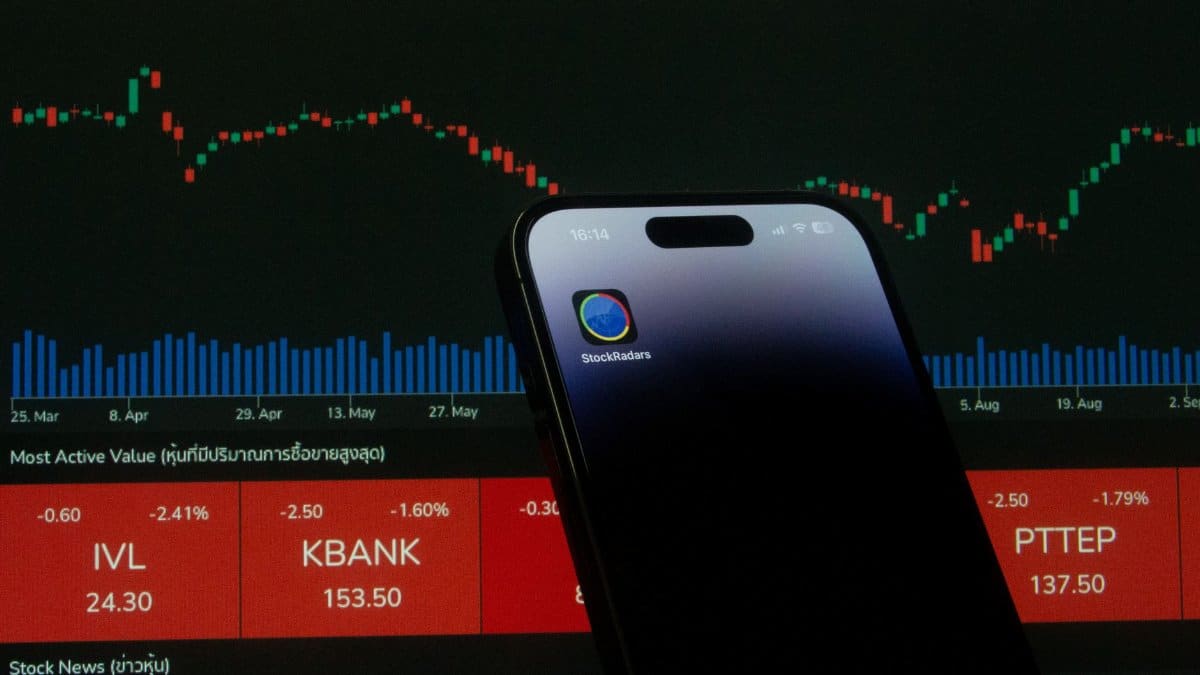
In the corridors of power in Albany a fresh set of regulations has taken shape to shield public service from digital pitfalls. State officials now bar employees from using certain prediction applications that might enable improper advantages in markets. This step comes amid broader efforts to preserve trust in government decision making and to block pathways that could lead to insider trading prediction through seemingly harmless apps on personal devices. Observers note that the policy reflects growing awareness of how technology intersects with ethics in public roles. It also signals a desire to set clear boundaries before problems arise rather than after scandals unfold. The approach draws from past episodes where information advantages eroded public confidence and it seeks to close gaps in oversight for an era of instant data access.
Background on State Employee Guidelines

New York State has long maintained codes of conduct for its workforce. These codes stress avoidance of conflicts that could arise from outside financial activities. Recent updates extend those principles into the realm of mobile software. Officials examined how certain apps aggregate data in ways that might hint at upcoming policy shifts or corporate moves. The goal remains straightforward to ensure that no employee gains an edge unavailable to ordinary citizens.
Scope of the App Restrictions

The prohibitions focus on tools marketed for forecasting market movements or legislative outcomes. Employees must avoid any platform where usage could overlap with their official duties. Training sessions now include modules on recognizing risky software. Supervisors receive guidance on monitoring compliance without invading privacy. The framework allows for exceptions only in rare cases tied to approved research needs.
Reasons Behind the Policy Shift

Lawmakers cited instances from other jurisdictions where similar applications created perceptions of favoritism. In one case a municipal worker faced questions after rapid gains linked to app signals. State leaders concluded that proactive limits would serve better than reactive inquiries. They emphasized that the rules protect both the individual and the institution from unnecessary scrutiny.
Impact on Daily Operations

Workers in finance and regulatory agencies report minimal disruption so far. Most already steer clear of speculative platforms. Departments have issued lists of approved alternatives for legitimate data analysis. The changes encourage reliance on official channels for any required forecasts rather than third party services.
Reactions from Employee Groups

Unions welcomed the clarity while seeking assurances on enforcement fairness. Some members voiced relief that uniform standards replace vague advice. Others wondered about personal use outside work hours yet accepted the broad application to avoid gray areas. Meetings continue to refine details based on feedback.
Comparison with Federal Standards
National guidelines already limit certain trading activities for public servants. The state measures align closely yet add specificity around prediction tools. Experts view the New York approach as a model that other states might adopt. It fills a niche not fully covered by existing federal language.
Future Monitoring and Adjustments

A review board will track implementation over the coming year. Reports will assess whether additional apps enter the restricted category. Feedback loops allow employees to flag emerging software that warrants attention. This ongoing process aims to keep the rules relevant amid rapid technological change.
Broader Implications for Public Trust

Policies like these reinforce the idea that government service demands high standards. They remind citizens that safeguards exist to prevent misuse of position. Over time such steps may reduce cynicism toward official actions. The emphasis stays on prevention through education and clear boundaries rather than punishment after the fact.