
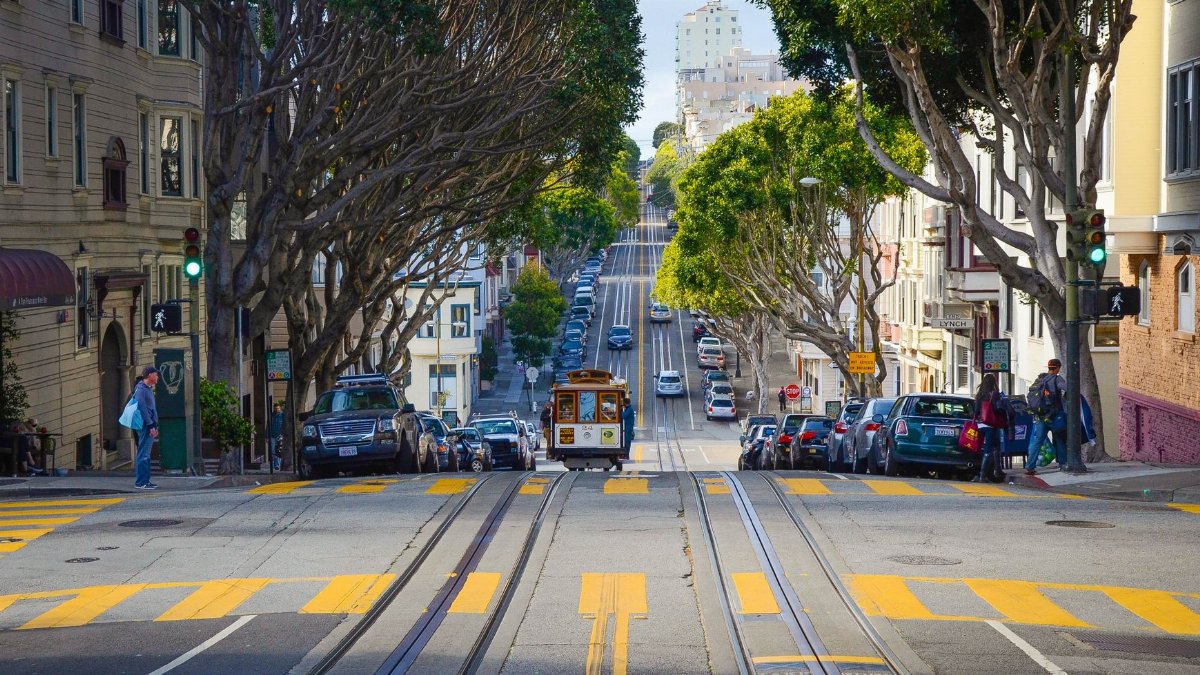
The citys iconic transit system faces a major change after officials voted to raise prices. This move affects the cable car fare in a significant way for riders and tourists alike. The decision comes amid broader efforts to keep aging infrastructure running smoothly despite mounting expenses.
The Vote and Its Implications

The SFMTA board approved the largest increase ever for riding these historic vehicles. Officials cited rising costs for maintenance and operations as the main drivers behind the choice. Riders can expect the new rates to take effect soon which will reshape how many locals and visitors plan their trips through the hilly streets.
Historical Context of Cable Car Operations

These vehicles have carried passengers for generations serving as both a practical service and a symbol of the citys charm. Over the decades costs have climbed due to the need for specialized parts and skilled labor. The current adjustment aims to cover gaps that have grown larger in recent years.
Financial Pressures Driving the Change

System leaders pointed to higher expenses for daily upkeep and safety upgrades. Without additional revenue streams the network risks further delays in essential repairs. The approved plan seeks to balance the budget while preserving the service that draws crowds from around the world.
Impact on Daily Riders and Tourists
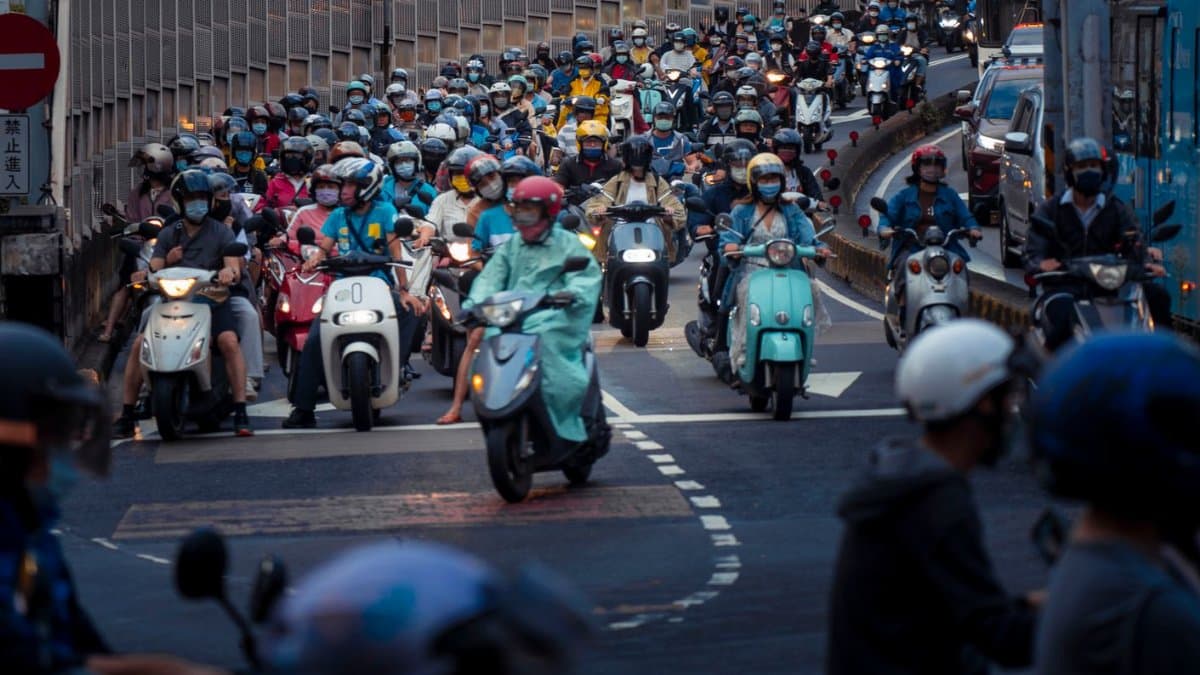
Local commuters who rely on the lines for work may see their monthly budgets shift. Tourists often view the experience as a must do activity yet the higher price could influence choices. Officials hope the changes will not deter too many people from enjoying the ride.
Public Reaction and Community Feedback

Some residents expressed frustration during hearings while others understood the need for more funds. Community groups have discussed alternatives such as targeted discounts for certain groups. The conversation continues as people adjust to the new reality.
Maintenance Improvements Planned with Extra Revenue
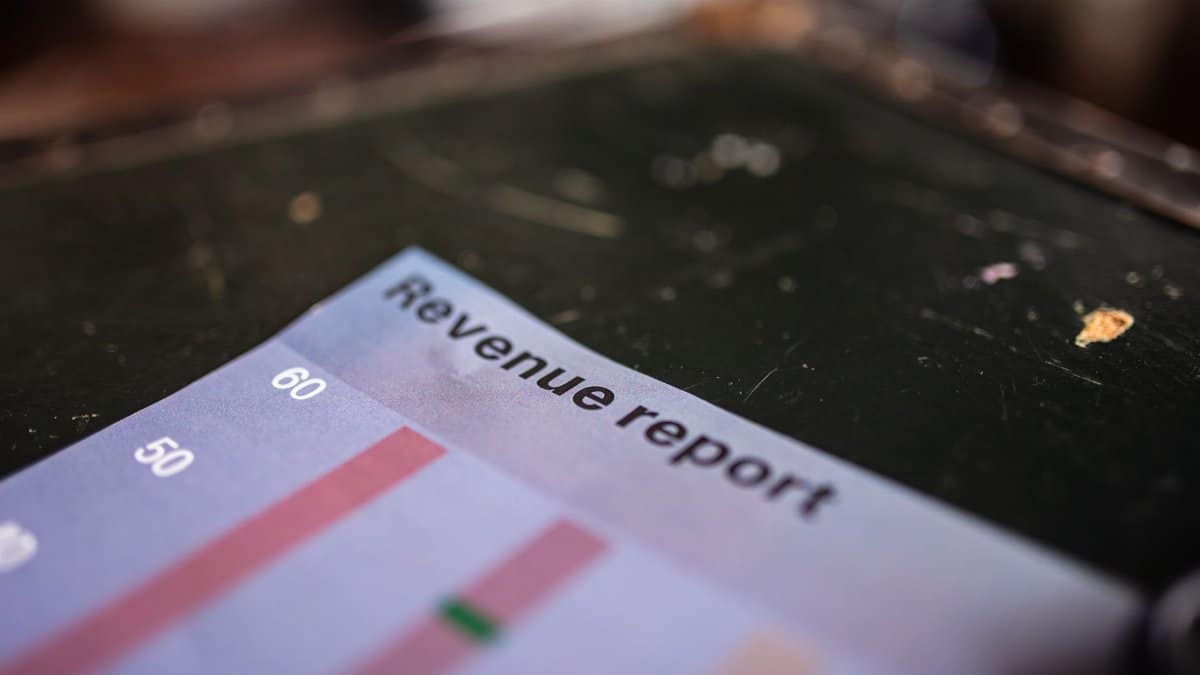
The added income will support track replacements and vehicle restorations. Engineers have identified several priority projects that can now move forward. These steps should enhance reliability and reduce the chance of unexpected breakdowns.
Comparison with Other Transit Systems
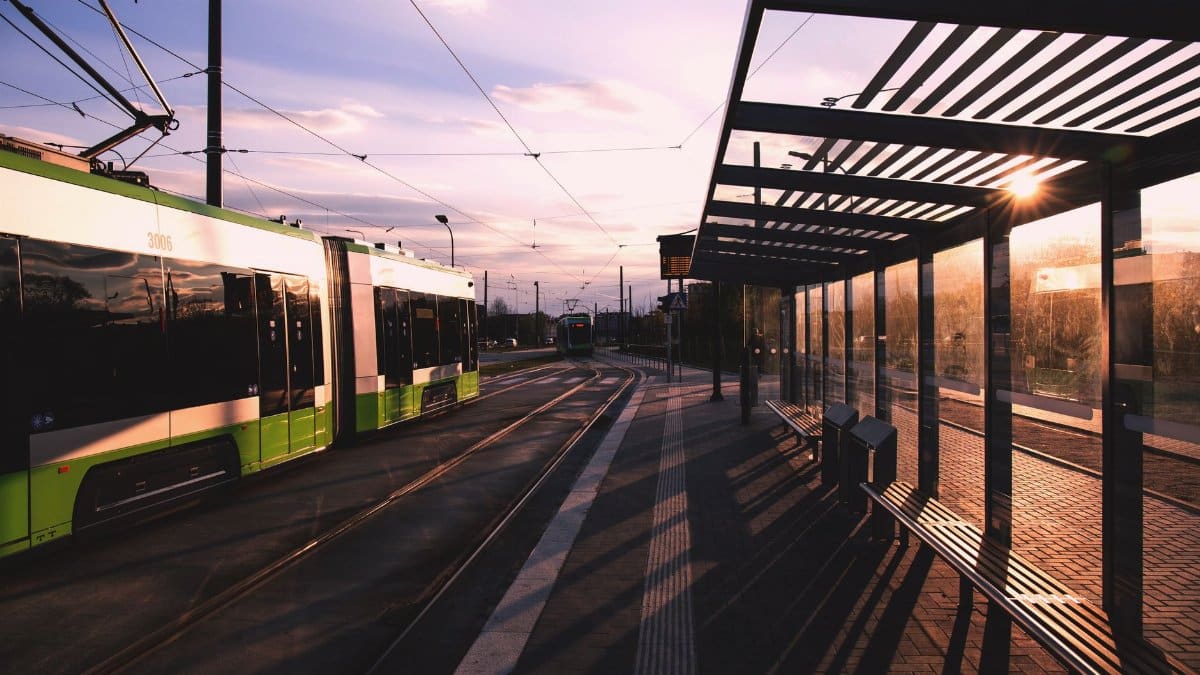
Cities across the country face similar challenges with historic or specialized transit. Some have turned to partnerships or grants to ease the burden. Local leaders examined these examples before finalizing their approach.
Future Outlook for the Transit Network
With the fare adjustment in place the agency looks ahead to long term stability. Continued monitoring will help determine if further tweaks become necessary. The goal remains a dependable service that connects neighborhoods effectively.