
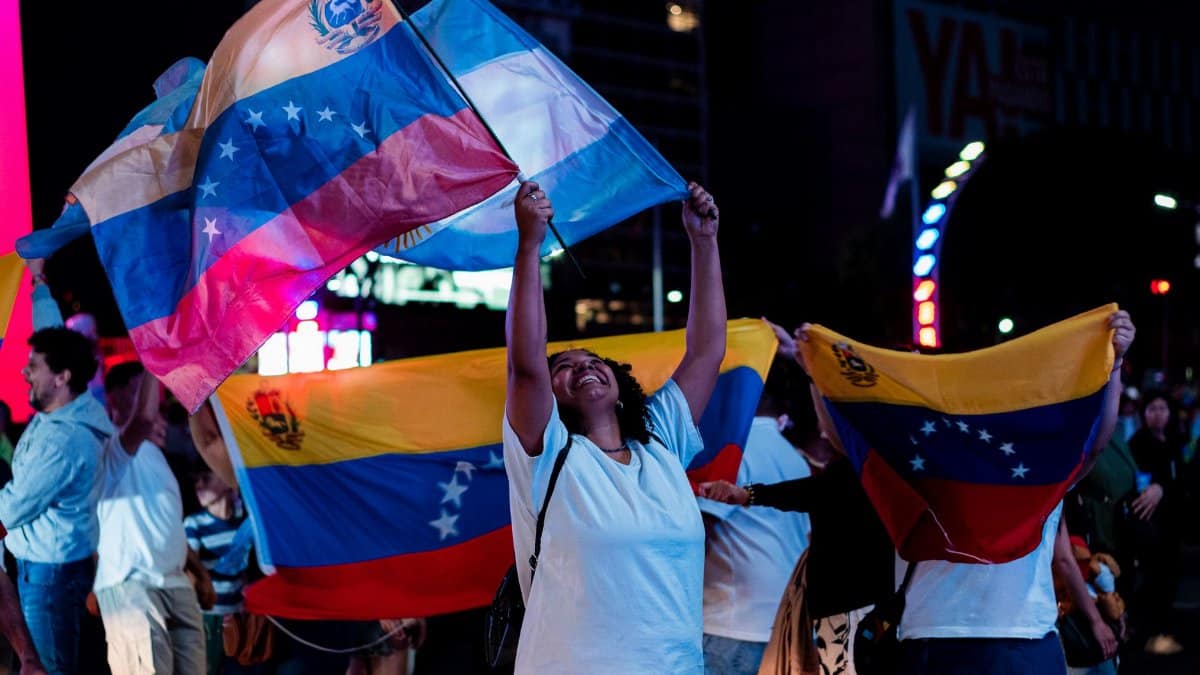
In the heart of Doral Florida families who fled hardship in Venezuela now navigate daily life with fresh anxiety. Local streets once filled with the sounds of new businesses and community gatherings have grown quieter as enforcement steps rise. Officials report more stops and checks that target those without updated papers. This shift comes after federal changes ended temporary protections for many Venezuelans. The Doral immigration crackdown has turned routine activities into moments of tension for thousands who call the city home.
Background on Venezuelan Settlement in Doral
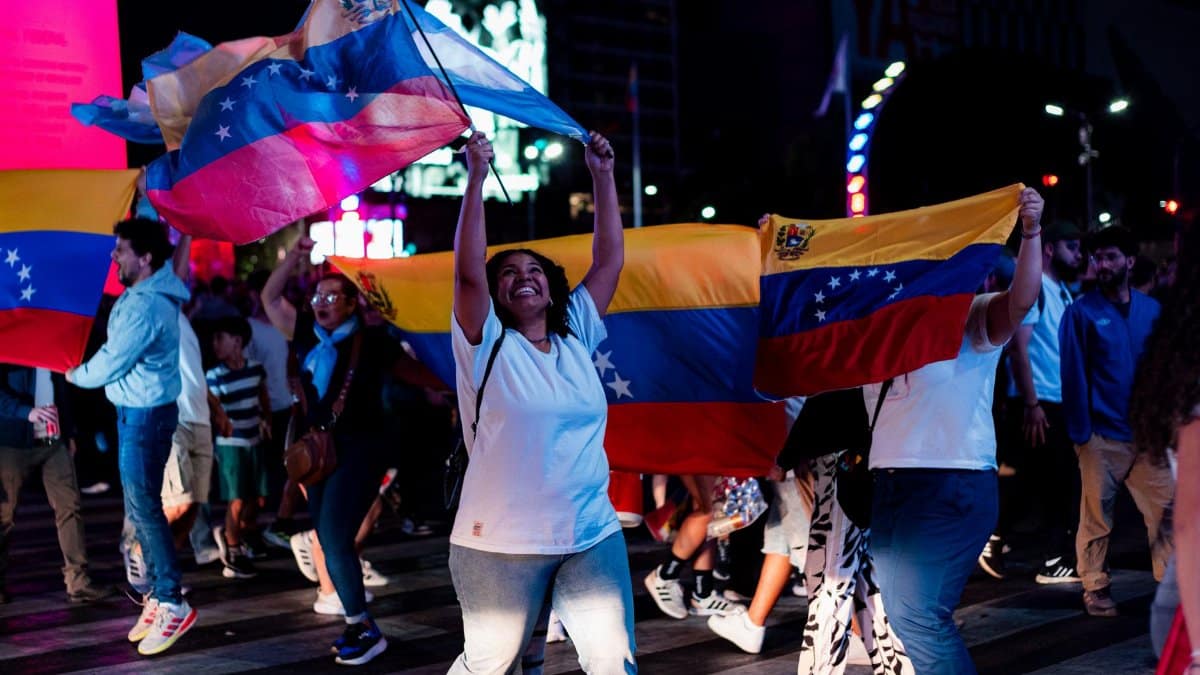
Doral drew many from Venezuela over the past decade as economic turmoil pushed people northward. The area offered jobs in trade and services along with a climate similar to home. Churches and markets became central points for support networks. Residents built schools and aid groups to help newcomers adjust. These efforts created a vibrant pocket within Miami Dade County that stood out for its energy and resilience.
Federal Policy Shifts and Local Impact
Changes at the national level removed temporary status for certain Venezuelan nationals. This move left many in Doral without legal footing to remain. Court cases and appeals have slowed some removals yet the pace of checks has picked up. City leaders note that federal agents now coordinate more closely with local police on routine matters. Such coordination marks a clear departure from earlier practices that kept immigration matters at a distance.
Stories from Affected Families

One mother who runs a small bakery describes how her husband was detained during a traffic stop. Their two children attend local schools and speak English fluently. She worries about their future if the family must split. Another resident who works in construction explains that fear keeps some from reporting crimes or seeking medical care. These accounts reveal the human side of policy changes that reach far beyond paperwork.
Role of Local Officials and Police
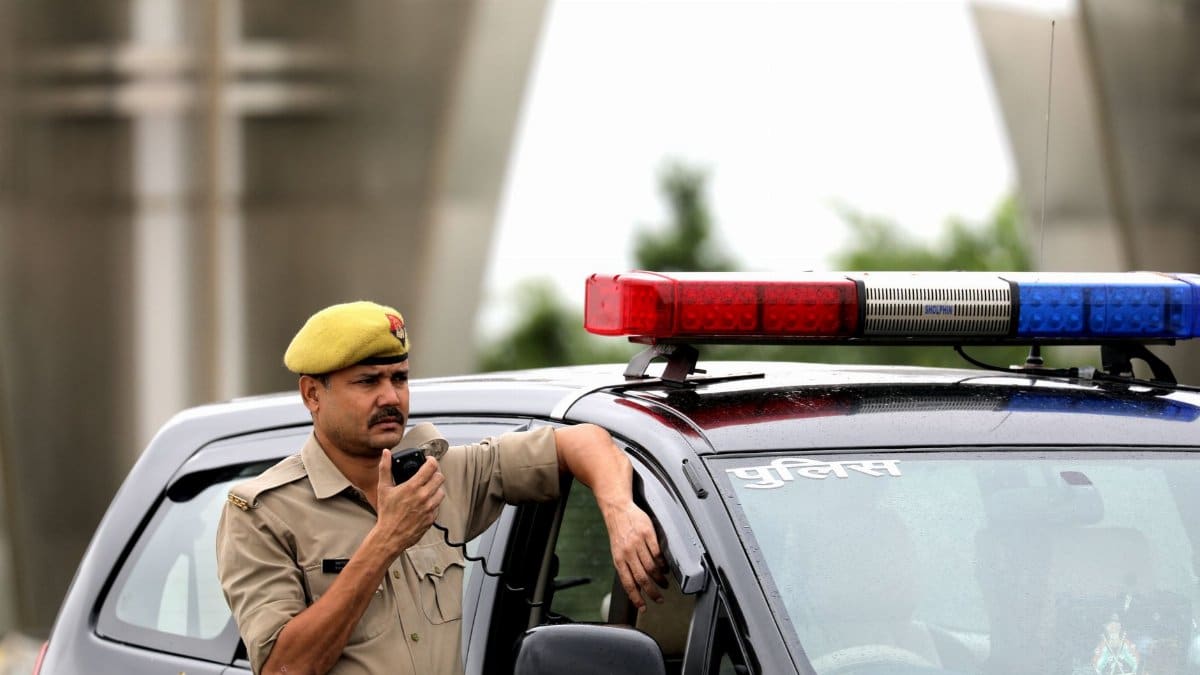
Doral leaders have held meetings to explain new realities to residents. Police emphasize they focus on public safety rather than immigration alone. Still some community members question whether everyday interactions now carry extra risks. Training sessions for officers aim to clarify boundaries yet trust remains fragile in certain neighborhoods. Public statements stress cooperation with federal requests while trying to maintain calm.
Economic Effects on Businesses

Shops and restaurants that relied on Venezuelan customers report slower sales. Some owners have cut hours or let staff go as uncertainty spreads. Delivery services and construction crews face gaps when workers stay home. The broader economy of Doral feels the strain as spending patterns shift. Longtime merchants wonder how long the slowdown will last before recovery begins.
Community Organizations Step In

Local groups offer legal clinics and translation help for those facing questions about status. Volunteers connect families with lawyers who handle deportation cases. Food banks see increased demand from households that once managed on their own. These efforts fill gaps left by sudden policy turns. Faith based networks also provide counseling to ease the emotional weight.
Views from Different Sides of the Issue

Some Doral residents welcome stricter rules as a way to restore order. They point to crowded housing and school resources as reasons for concern. Others argue that mass enforcement overlooks contributions made by Venezuelan workers. Debates at town halls show deep divides on how best to balance security with compassion. Both sides claim concern for the city future.
Looking Ahead for Doral Residents

Appeals in federal courts may alter the course of current enforcement. In the meantime families weigh options such as relocation or voluntary departure. Community leaders push for clearer guidelines that reduce confusion. The situation continues to evolve as new cases arise each week. Doral stands as a test case for how cities adapt when national policies tighten.