
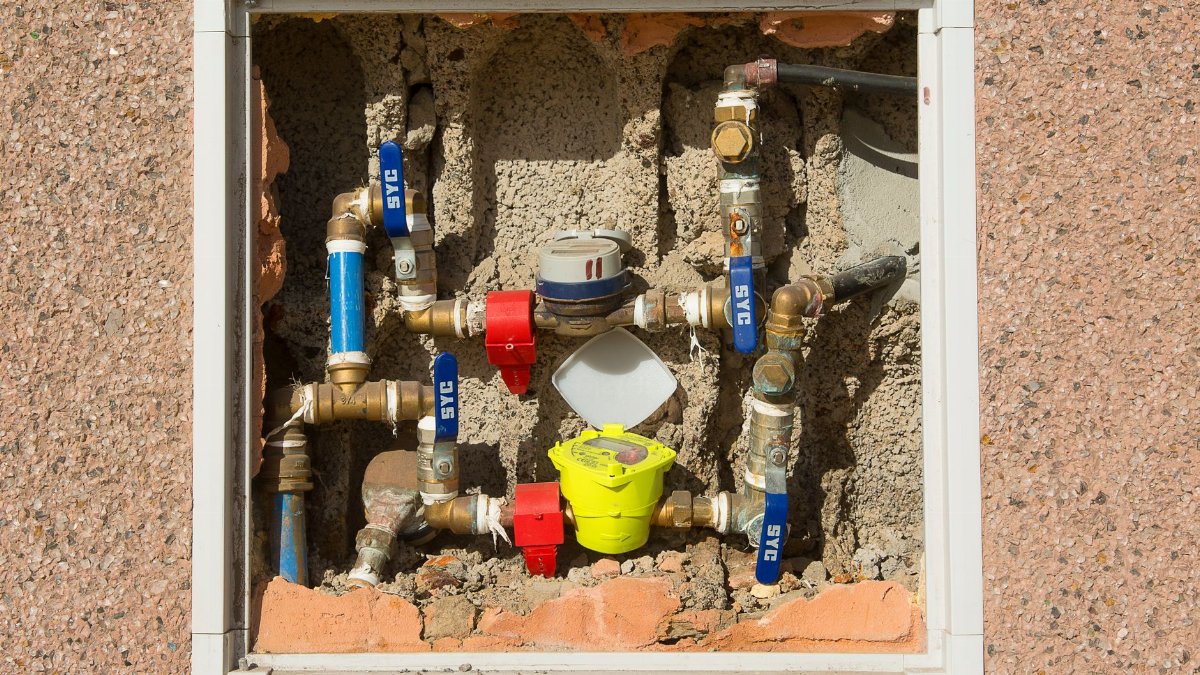
Hialeah residents have long grappled with fluctuating utility costs that seem disconnected from their actual water use, a frustration that prompted city leaders to explore new technology. In a move designed to bring greater precision to billing, officials recently approved a water-meter pilot that will test advanced smart meters across select neighborhoods. The effort seeks to replace outdated equipment with devices capable of delivering real time data, potentially easing the financial burden on households while improving conservation. Early projections suggest the program could reshape how the city manages its water resources in the years ahead.
Origins of the Hialeah Initiative

City commissioners reviewed years of complaints about estimated bills that often exceeded actual consumption. Staff presentations highlighted aging infrastructure and the need for better accountability. The water-meter pilot emerged as a practical response, drawing on examples from other Florida municipalities that have modernized their systems. Local leaders emphasized that accurate measurement serves both residents and the municipal budget by reducing waste and disputes.
Mechanics Behind Smart Meter Technology
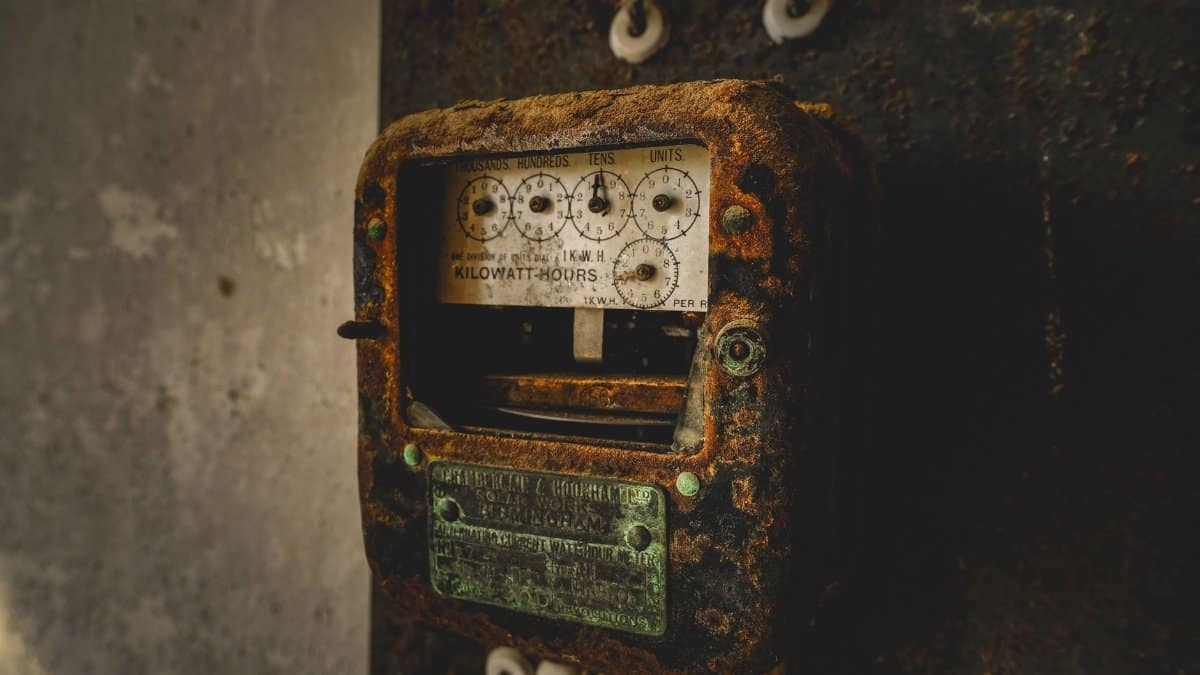
These devices transmit usage information directly to utility offices through secure wireless networks. Unlike traditional analog readers that require manual visits, the new units capture data at frequent intervals. During the water-meter pilot phase, technicians will install units in roughly two hundred homes to monitor performance under local conditions. Engineers note that the technology also flags leaks quickly, allowing homeowners to address problems before they inflate monthly statements.
Projected Effects on Household Expenses

Analysts estimate that precise readings could trim average bills by eight to twelve percent once full deployment occurs. The water-meter pilot will gather the first round of comparative data over the next twelve months. Officials plan to share anonymized results with the public so taxpayers can assess whether savings materialize. Some forecasts incorporate seasonal variations typical of South Florida weather patterns.
Perspectives From Participating Residents

Early participants report mixed but mostly hopeful reactions. One family on West 29th Street noticed an immediate drop after their new meter corrected an earlier overestimation. Others appreciate the online portal that lets them track daily patterns without waiting for paper statements. The water-meter pilot includes a feedback hotline where residents can log concerns or request adjustments during the trial period.
Environmental Advantages of Updated Infrastructure
Beyond cost savings, the program supports broader conservation goals. Real time alerts help identify inefficient fixtures or underground leaks that might otherwise go unnoticed for months. City planners view the water-meter pilot as one component of a larger sustainability strategy that aligns with state guidelines on resource management. Reduced water loss also lowers the energy required for treatment and pumping.
Comparisons With Neighboring Communities
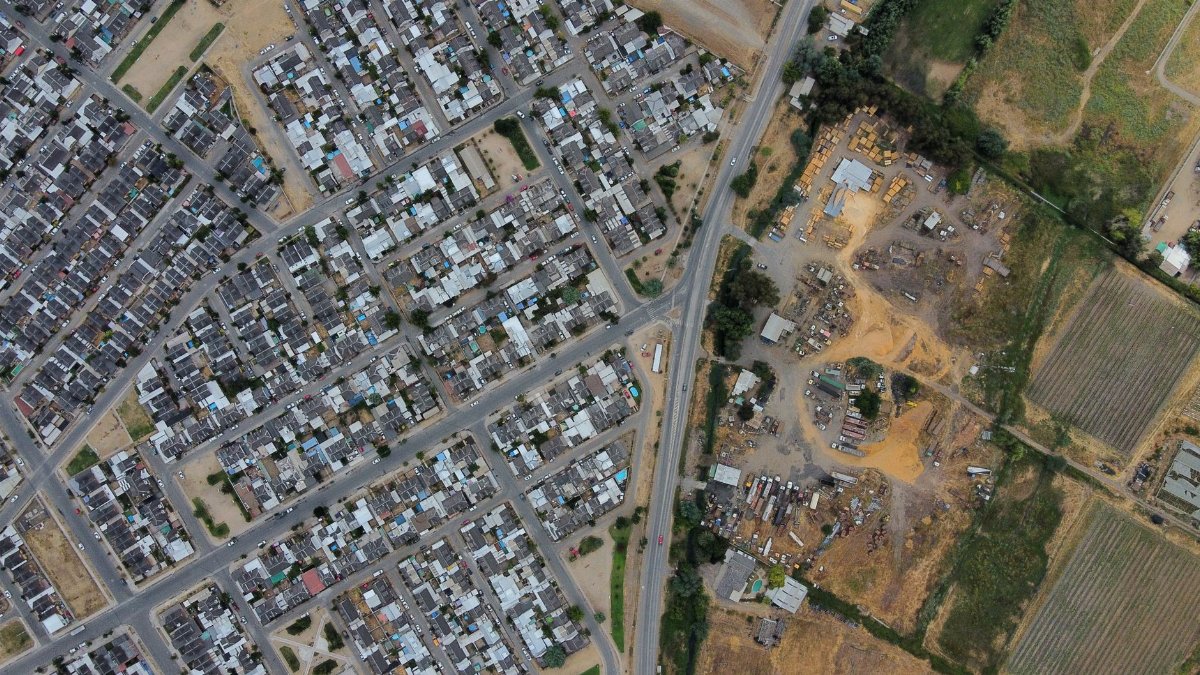
Nearby cities such as Miami Beach and Coral Gables have already completed similar upgrades. Their experiences show faster leak detection and fewer billing appeals after installation. Hialeah officials studied those outcomes while shaping the current water-meter pilot, adapting elements like customer education sessions and phased rollouts. Differences in population density and older housing stock present unique variables for local teams to address.
Implementation Timeline and Next Steps

Installation crews expect to finish the initial round of meters within four months. Data collection will continue through the following fiscal year before any decision on citywide expansion. The water-meter pilot contract includes performance benchmarks that must be met before additional funding is released. Regular progress reports will appear on the municipal website.
Potential Obstacles and Mitigation Plans
Some privacy advocates have raised questions about data security and how usage records might be stored. City attorneys responded by requiring encryption standards and limiting third party access. Budget shortfalls remain another concern, though grant applications are underway to offset portions of the water-meter pilot cost. Staff training programs aim to minimize technical glitches during the transition.
Long Term Outlook for Utility Management
If the trial succeeds, Hialeah could move toward a fully automated system within five years. Such modernization would position the city alongside forward thinking utilities nationwide. Continued evaluation of the water-meter pilot will determine whether expanded investment yields lasting benefits for both residents and the environment.