
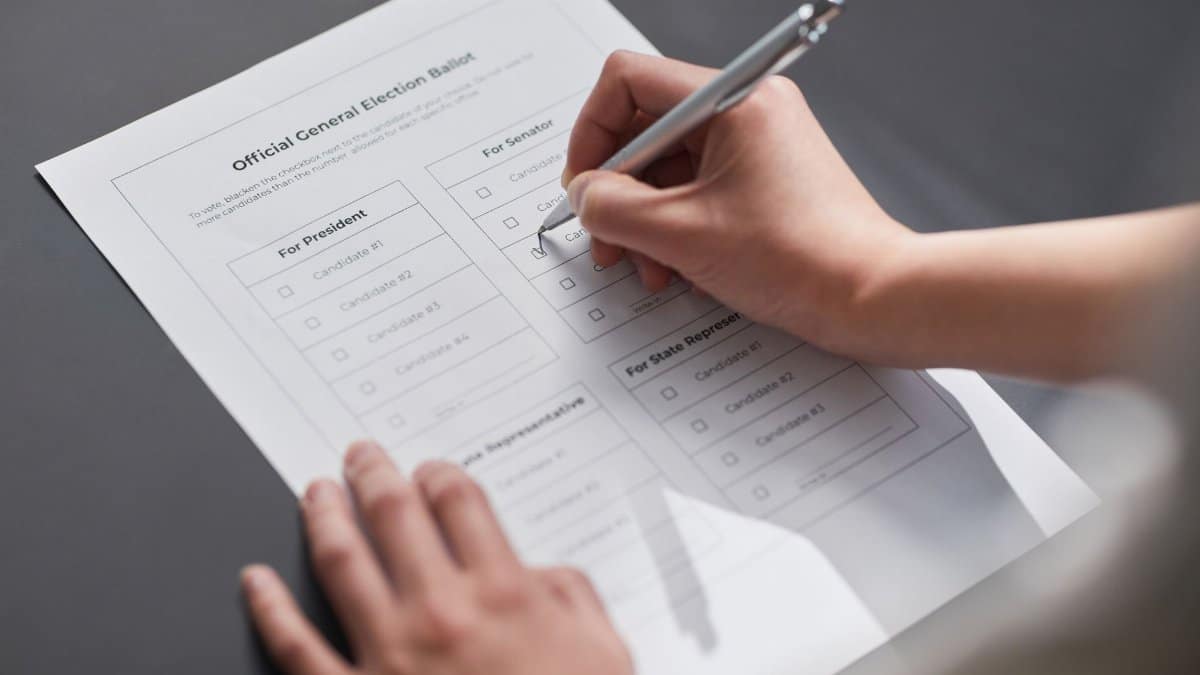
In recent weeks officials in a northern California county have taken unusual steps regarding local voting materials. The registrar decided to place certain items under lock and key while seeking federal help with an inquiry. This move has sparked debate among residents and leaders alike about the handling of Shasta County ballots and the broader implications for public confidence in elections.
The Background of the Dispute
Tensions have grown over several months as some local leaders questioned past vote counts and demanded new rules for handling records. The registrar responded by securing physical evidence from the June contest to prevent any outside meddling. Residents now wonder how such steps affect daily trust in the system that decides local leaders.
Actions Taken by the Registrar

The official ordered the contested items moved into a sealed space with limited access. An official request went out to federal investigators asking them to examine possible irregularities. These choices came after weeks of public arguments at board meetings where voices rose over accuracy and fairness.
Response from the Board of Supervisors

Board members issued a formal rebuke of the registrar for acting without full approval. They argued that such moves should involve more open discussion before locking away important records. The censure vote passed with a clear majority and called for immediate reviews of all future procedures.
Involvement of Federal Authorities
By reaching out to national investigators the registrar hoped to bring outside eyes to the matter. Federal teams have begun initial reviews but offered no public timeline for conclusions. This level of involvement remains rare for county level voting issues and has drawn notice from observers across the state.
Community Reactions and Concerns
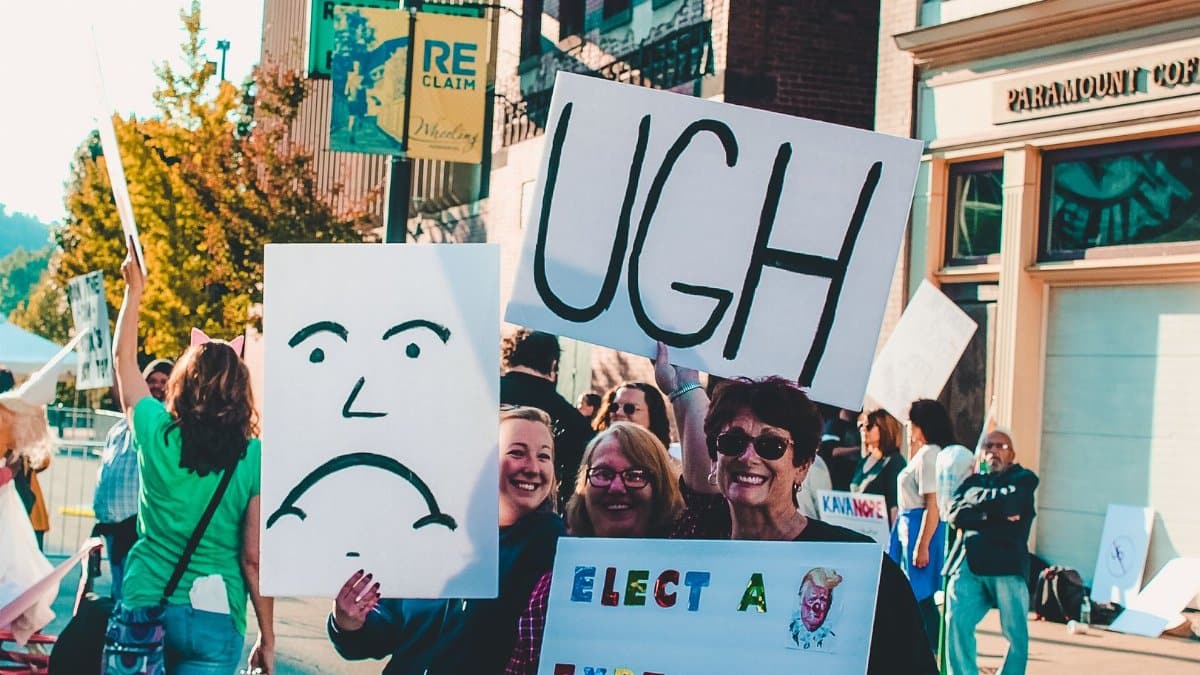
Local citizens gathered at recent forums to voice both support and worry over the locked materials. Some praised the effort to protect records while others feared it signals deeper problems with how votes are managed. Discussions often turned to ways to restore faith without further division.
Historical Context of Election Administration
California counties have long managed their own vote processes under state guidelines that allow variation. Past disputes in other areas rarely led to sealed rooms or federal calls. The current episode stands out for its intensity and the direct challenge to standard routines.
Potential Impacts on Future Voting

Observers suggest the episode could lead to stricter oversight rules in coming cycles. Training for staff might increase while public reporting on storage methods could become more detailed. Such shifts aim to prevent similar standoffs but may also slow routine operations.
Calls for Greater Transparency

Advocates now push for live streams of all storage and counting steps to ease public doubts. They believe open access would reduce the need for dramatic protective measures like those seen recently. Lawmakers at the state level have begun reviewing similar proposals.
Legal Questions Raised

Attorneys have started examining whether the registrar overstepped authority by acting alone. Court filings could follow if the board seeks to reverse the sealing order. These matters may take months to resolve through normal judicial channels.
Comparisons to Other Regions

Neighboring counties report smoother operations without recent conflicts over record security. Their methods rely on shared oversight between staff and elected boards. Lessons from those places may help Shasta County ballots regain steady public support in time.