

In the heart of Houston a major shift is unfolding in cancer care as the president of a leading institution prepares to conclude his service. After nearly a decade at the forefront Dr Peter Pisters announced his plan to retire at the end of September. Observers note that this moment invites reflection on how sustained guidance shapes large medical organizations. MD Anderson Pisters has stood as a symbol of focused administration during a time of rapid advances in treatment and research. Colleagues describe an atmosphere of steady progress under his watch with emphasis on collaboration across departments and outreach to diverse communities. The departure comes at a point when many centers face questions about funding and access to care.
Early Steps in a Medical Path

Peter Pisters began his journey with training that spanned several prominent facilities. His early focus centered on surgical techniques for complex cases. Over time he developed interests in how systems can better support both staff and those seeking treatment. These experiences laid groundwork for later roles that combined clinical work with broader oversight.
Arrival and First Years at the Center

When he took the top post nine years ago the institution faced evolving demands in oncology services. Initial priorities included strengthening ties with regional partners and updating internal processes. Staff recall a period of listening sessions that informed subsequent decisions. Growth in specialized programs followed as new protocols gained traction.
Focus on Research and Innovation
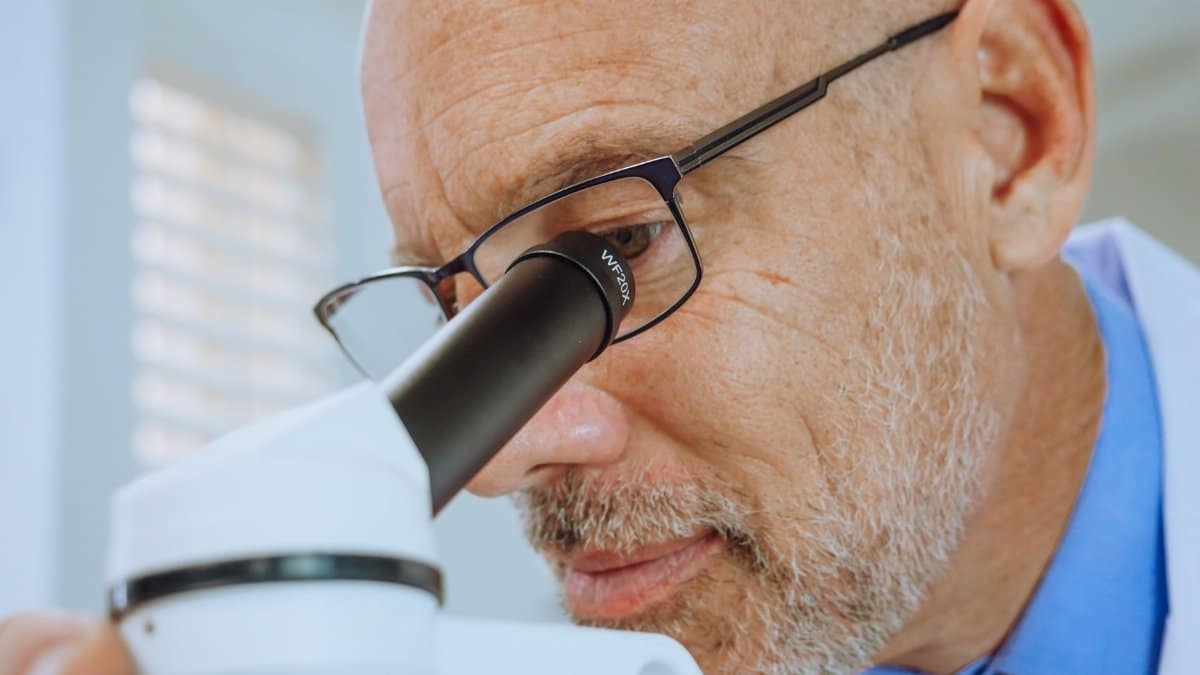
Under the leadership research output expanded through partnerships with academic groups. Emphasis fell on translating laboratory findings into practical applications for patients. Funding streams diversified as grants supported studies on emerging therapies. This approach helped maintain the centers standing among national peers.
Community Outreach Efforts
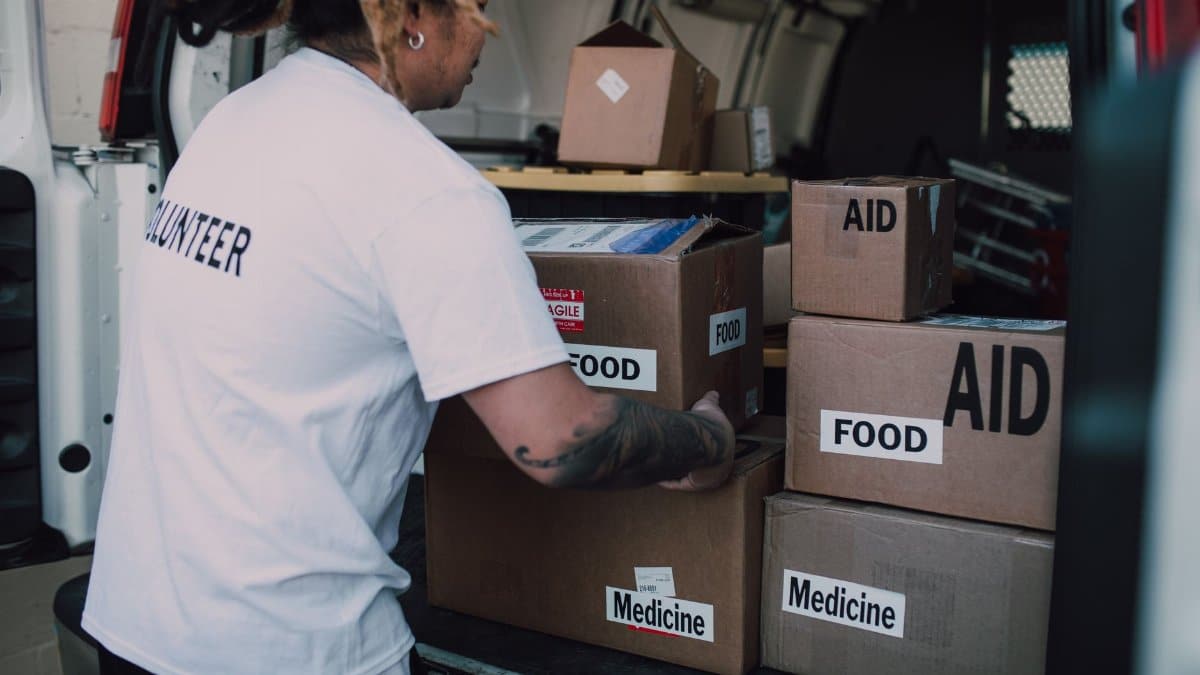
Programs aimed at underserved populations received added attention during the tenure. Mobile clinics and education campaigns sought to improve early detection rates. Partnerships with local groups addressed barriers such as transportation and language. Results showed measurable gains in participation from varied neighborhoods.
Challenges During Global Health Shifts

The years brought unexpected pressures from worldwide events that strained resources everywhere. Adaptations included expanded use of remote consultations and revised safety measures. Teams worked to sustain trial enrollments despite disruptions. Lessons from those times continue to influence planning.
Thoughts on Future Leadership

As the transition approaches discussions turn to qualities needed in a successor. Many point to the value of experience in both medicine and administration. The board has begun a search process expected to draw candidates from across the country. Continuity in key initiatives remains a priority for those involved.
Legacy and Reflections From Colleagues

Tributes highlight personal qualities such as approachability and commitment to mission. Former team members credit the environment created for fostering new ideas. While changes lie ahead the foundation built over nine years offers a base for ongoing work. The story of MD Anderson Pisters serves as one chapter in the larger narrative of progress against disease.