
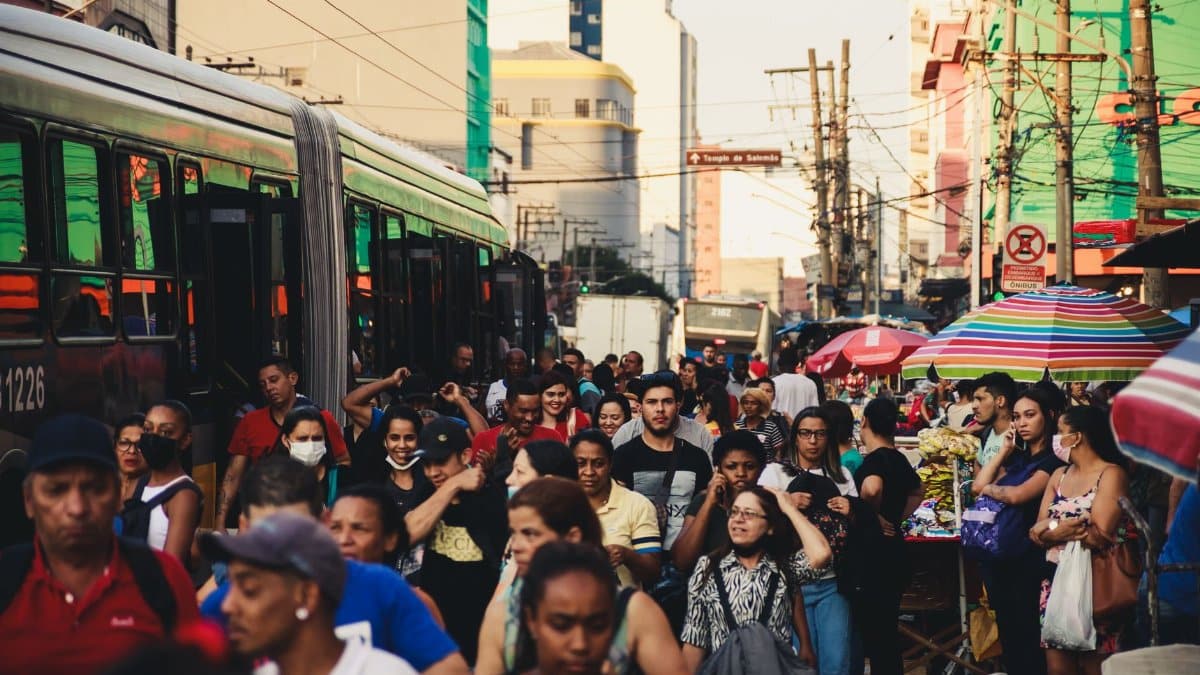
The bustling atmosphere around Levi’s Stadium during the recent World Cup events created an unexpected strain on regional transit networks. Santa Clara County faced intense demands for additional buses trains and staff support as fans poured into the area. This surge led to significant expenses that caught many observers by surprise. The World Cup VTA cost emerged as a key topic of discussion among local officials and residents alike who wondered how such large scale events affect everyday infrastructure.
Unexpected Pressures on Daily Operations
Transit leaders had to adjust schedules and routes in ways that went far beyond normal planning. Extra vehicles ran throughout the day and into the night to accommodate the influx of visitors. Staff worked longer shifts to keep everything moving smoothly without major delays. These adjustments highlighted how major sporting events can ripple through local systems in profound ways.
Security Measures Add to Overall Expenses

Safety protocols required additional personnel at key stations and along popular routes. Officers monitored crowds closely to prevent any issues from arising amid the excitement. This layer of protection came at a premium due to the scale of attendance. Officials noted that such precautions though necessary contributed heavily to the final tally.
Coordination Across Multiple Agencies

VTA worked closely with neighboring districts to share resources and information. Joint efforts ensured that connections between hubs remained reliable even during peak times. Meetings and planning sessions stretched over several months leading up to the matches. Such collaboration proved essential yet added layers of complexity to budgeting.
Impact on Regular Riders and Communities

Everyday commuters noticed changes in service patterns as priorities shifted toward event support. Some routes saw increased frequency while others faced temporary adjustments. Residents in nearby neighborhoods expressed mixed feelings about the disruptions. The situation sparked conversations about balancing tourism boosts with local needs.
Long Term Lessons for Future Events

Analysts reviewed the experience to prepare for upcoming gatherings in the region. Data from the period offered insights into crowd management and resource allocation. Leaders emphasized the value of early preparation to ease future burdens. These reflections could shape policies for years ahead.
Financial Breakdown and Public Response

The total outlay reached eleven million dollars covering a range of operational needs. Taxpayers voiced questions about how such sums fit into broader agency budgets. Public forums allowed for open dialogue on spending priorities. Transparency reports helped clarify where funds went during the busy period.
Broader Effects on Bay Area Connectivity
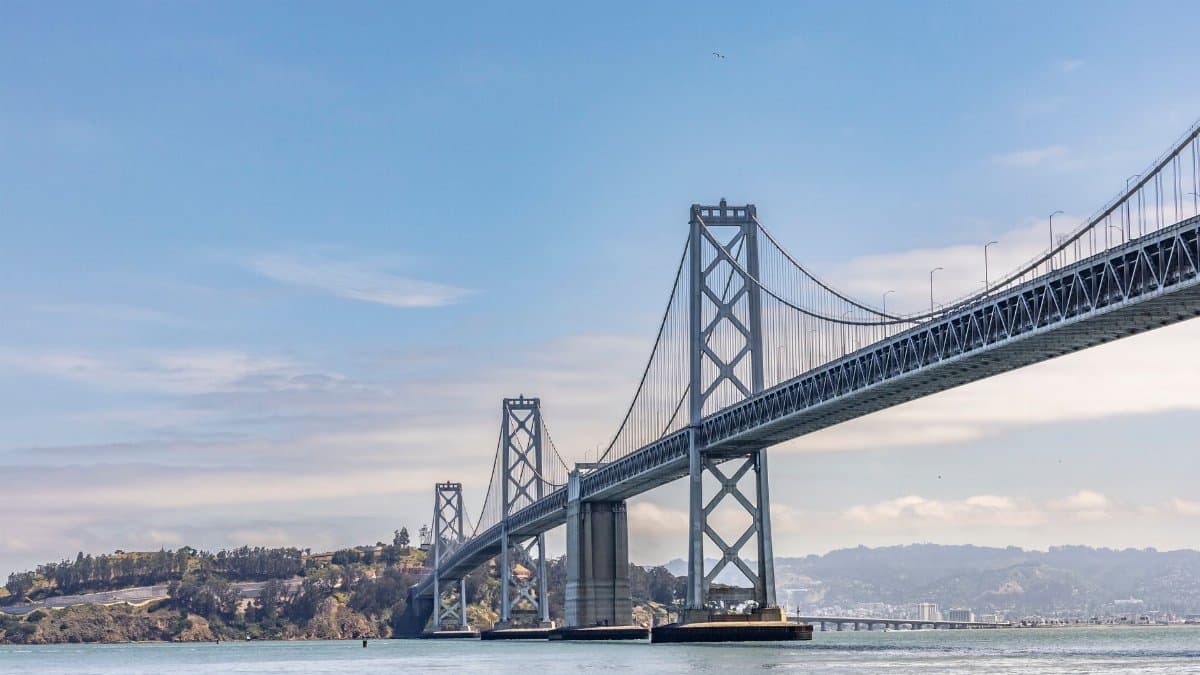
Connections to San Francisco and other points saw heightened activity as fans traveled between sites. This activity underscored the role of transit in supporting regional tourism. Agencies gained visibility into patterns that might recur with similar events. Improved tracking tools emerged from the process.
Looking Ahead to Sustainable Solutions

Discussions now turn toward ways to offset costs through partnerships or grants. Innovative approaches to event planning could reduce strains in coming years. Community input remains vital in shaping these strategies. The episode serves as a reminder of transit importance in large gatherings.