

Philadelphia has seen notable shifts in its municipal leadership following the election of Mayor Cherelle Parker. An analysis from the Inquirer sheds light on how her team has evolved since taking office in 2024. These Parker administration departures reflect broader trends in how administrations manage personnel at the highest levels of city government. Observers note that such changes can influence policy continuity and public perception of stability in local politics. Comparisons with previous mayors like Kenney and Nutter provide context for understanding current patterns.
Comparing With Earlier City Leaders

The analysis places the current situation alongside the records of prior administrations. During the Kenney years turnover occurred at a certain pace while the Nutter period showed different rates of staff movement. This helps readers grasp whether the present changes are unusual or part of a larger cycle in city hall operations. Data from the report indicates that Parker administration departures align more closely with one of those earlier benchmarks than many had expected at the outset.
Positions Most Affected by Shifts

Several cabinet roles have seen new faces in recent months. The review identifies specific departments where transitions happened quickly after the initial appointments. Such movements often involve key areas like public safety and economic development. Analysts suggest these adjustments may stem from differing visions on how to address ongoing urban challenges in a large city.
Possible Causes for the Turnover

Reports point to a mix of personal decisions and strategic realignments as factors in the changes. Some officials cited family considerations while others sought opportunities outside government. The Inquirer piece notes that external pressures from council members or community groups can also play a role in prompting departures at this level of service.
Effects on Ongoing City Initiatives

With new appointees in place the pace of certain programs has adjusted. Continuity in long range planning can suffer when leadership turns over frequently. Yet the article highlights cases where fresh perspectives have accelerated progress on issues like housing access and infrastructure repairs. Residents may notice differences in communication styles from city offices as a result.
Reactions From Residents and Observers

Local commentators have offered varied views on the developments. Some express concern over the loss of institutional knowledge while others view the shifts as a chance for renewal. The coverage includes quotes from civic leaders who emphasize the need for steady hands during periods of transition in municipal affairs.
Media Attention and Broader Coverage
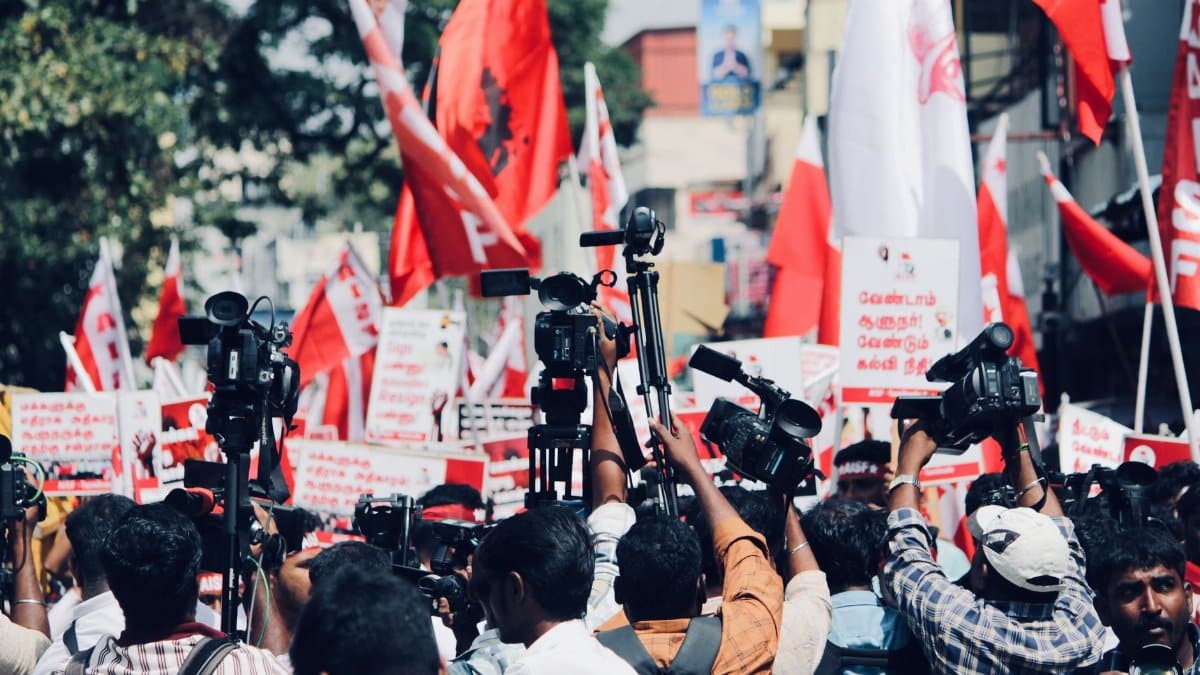
National outlets have picked up elements of the local story given the scale of the changes. This attention underscores how leadership stability in major cities often draws wider interest. The original Inquirer analysis serves as a primary reference for those tracking Parker administration departures across multiple news cycles.
Lessons From Historical Patterns

Philadelphia politics has a long record of evolving teams around each new mayor. Past examples show that early adjustments can set the tone for an entire term. The current review draws on those precedents to assess what might lie ahead for the present group of officials.
Looking Ahead to Governance Stability

Future appointments will likely draw close scrutiny from both supporters and critics. Maintaining effective teams remains a core task for any mayor navigating complex urban environments. The trends identified in the report offer one lens for evaluating progress over the coming years in city operations.