
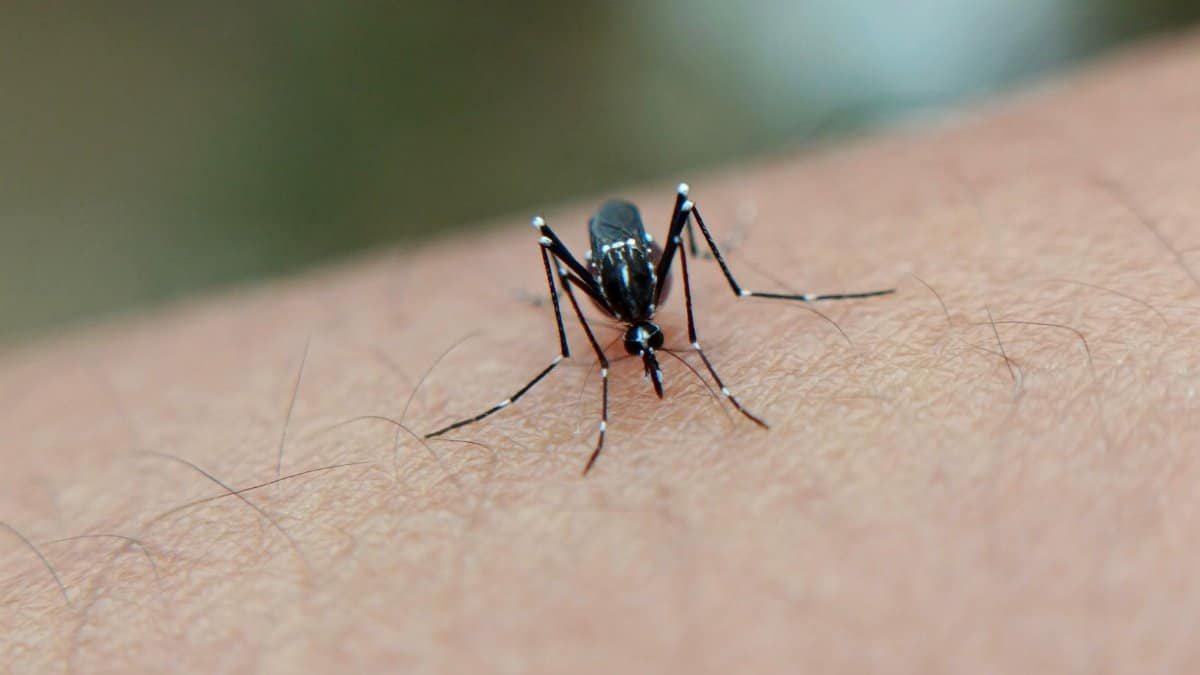
Health officials across New England have confirmed an early season human infection tied to mosquito activity. This announcement draws attention to ongoing risks in suburban areas and highlights the Massachusetts West Nile virus first case for the current year. A resident in his nineties from Middlesex County developed symptoms after outdoor exposure prompting state health authorities to issue guidance on protective measures for all residents especially older adults.
Details of the Confirmed Infection
The patient spent time outdoors in a residential area where mosquitoes thrive during warm months. Laboratory tests verified the presence of the virus in his system after he sought medical care for fever and weakness. Officials noted no evidence of widespread transmission yet urged caution as conditions remain favorable for insect activity through late summer.
Regional Response from State Authorities

Massachusetts health departments activated surveillance programs immediately upon confirmation. Teams began trapping and testing mosquitoes in affected zones to map potential hotspots. Public notifications went out via local media and community channels advising people to eliminate standing water around homes and use repellents when venturing outside at dusk.
Historical Patterns of Virus Activity

West Nile virus has appeared in Massachusetts periodically since its arrival in the northeast two decades ago. Past seasons saw scattered cases often linked to specific weather patterns that boost mosquito populations. Records show infections tend to cluster in counties with abundant wetlands and suburban yards where birds serve as natural hosts.
Impact on Vulnerable Populations
Individuals over eighty face higher chances of severe outcomes from infection. Symptoms can progress from mild fatigue to neurological complications requiring hospitalization. Medical experts recommend that seniors limit evening outdoor time and consult physicians about personal risk factors before peak mosquito hours.
Prevention Strategies for Households

Simple steps reduce exposure significantly. Residents should empty bird baths and gutters weekly. Installing screens on windows and doors provides a basic barrier. Wearing long sleeves during outdoor chores offers added protection without relying solely on chemical products.
Broader Environmental Influences

Climate trends play a role in virus spread by extending warm periods that support insect breeding. Wetter springs followed by heat waves create ideal conditions in many New England communities. Monitoring rainfall data helps predict surges in mosquito numbers across multiple states.
Community Education Efforts

Local workshops and online resources explain how to spot early signs of illness. Schools and senior centers distribute fact sheets in multiple languages to reach diverse groups. Collaboration with town officials ensures messages reach rural pockets where access to information can lag.
Comparison with Neighboring States

Connecticut and New Hampshire report similar monitoring programs with occasional positive tests in wildlife. Massachusetts stands out this season for its early detection in a human patient. Shared data among states allows quicker adjustments to regional alerts when patterns emerge.
Future Outlook for the Season

Continued vigilance remains essential through September when activity typically declines. Officials will track additional reports closely to determine if further cases appear. Public cooperation with basic precautions can limit the total number of infections reported statewide.