
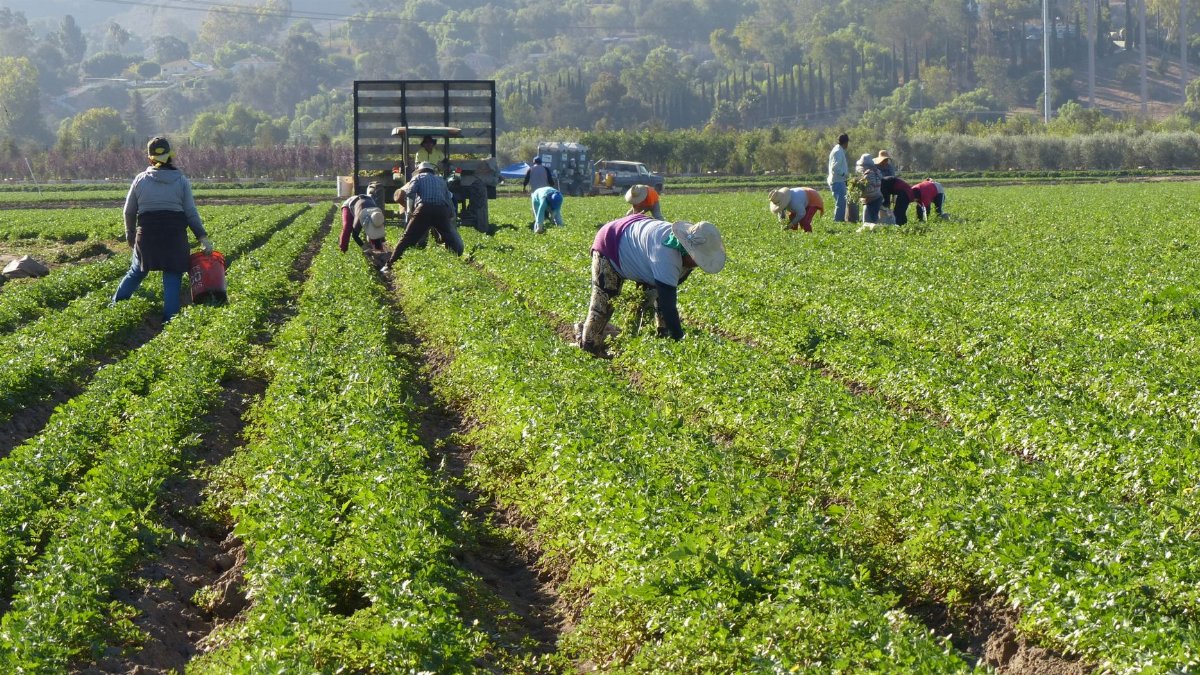
A federal judge in Fresno has delivered a significant blow to efforts by the Trump administration to reduce pay for seasonal agricultural laborers. The ruling found that a proposed change violated federal law after a lawsuit brought by workers and their representatives. In the sunbaked fields where tomatoes and lettuce are picked by hand thousands of men and women from across the border labor under intense conditions for wages that support their families back home. When the Labor Department announced plans to lower rates for the H2A visa program unions and advocates pushed back hard. Their legal challenge succeeded when a judge determined the move was unlawful. This case has placed the farmworker wage rule at the center of debates over immigration and agriculture.
The Roots of the Legal Challenge

Farmworkers and the United Farm Workers union filed suit in California after the administration sought to adjust wage calculations for temporary foreign labor. The complaint argued that the new formula would cut earnings in key states and undermine local pay standards. The court agreed that the Labor Department had failed to follow proper procedures and consider the full economic effects on American workers in similar roles.
How the Court Reached Its Conclusion

Judge Dale Drozd examined the administrative record and found gaps in the justification for the wage adjustment. The decision noted that the agency had not adequately explained why it departed from earlier methods used to set pay rates. Evidence presented showed potential drops in compensation that could reach several dollars per hour in some regions.
Impact on California Agricultural Communities
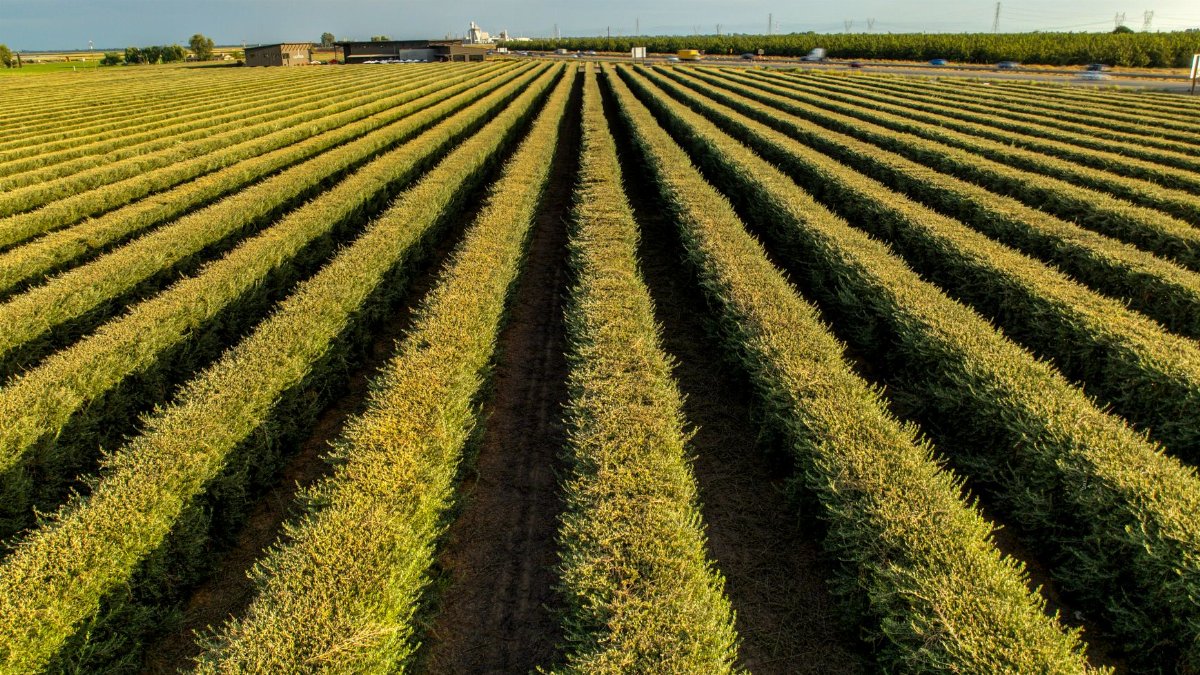
Rural areas in the state rely heavily on seasonal crews to bring in crops each year. A reduction in pay would have rippled through local economies where spending on housing food and transportation supports many small businesses. Advocates described the proposed change as a threat to the stability of families who already face unpredictable work schedules and harsh weather.
Responses From Growers and Industry Groups
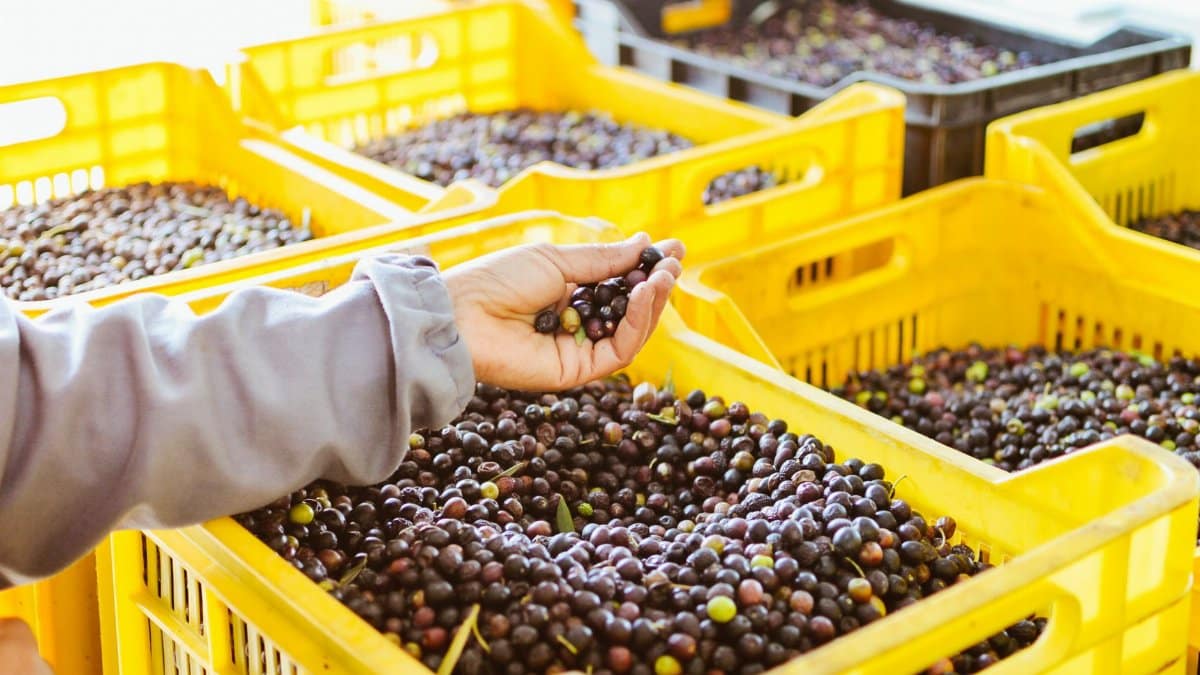
Agricultural associations expressed disappointment with the outcome and warned that higher labor costs could lead to higher prices for produce. Some operators said they might accelerate plans to adopt more mechanical harvesting equipment to offset the wage requirements. Others called for clearer federal guidance that balances the needs of farms with fair compensation for employees.
Broader Effects on Seasonal Labor Programs
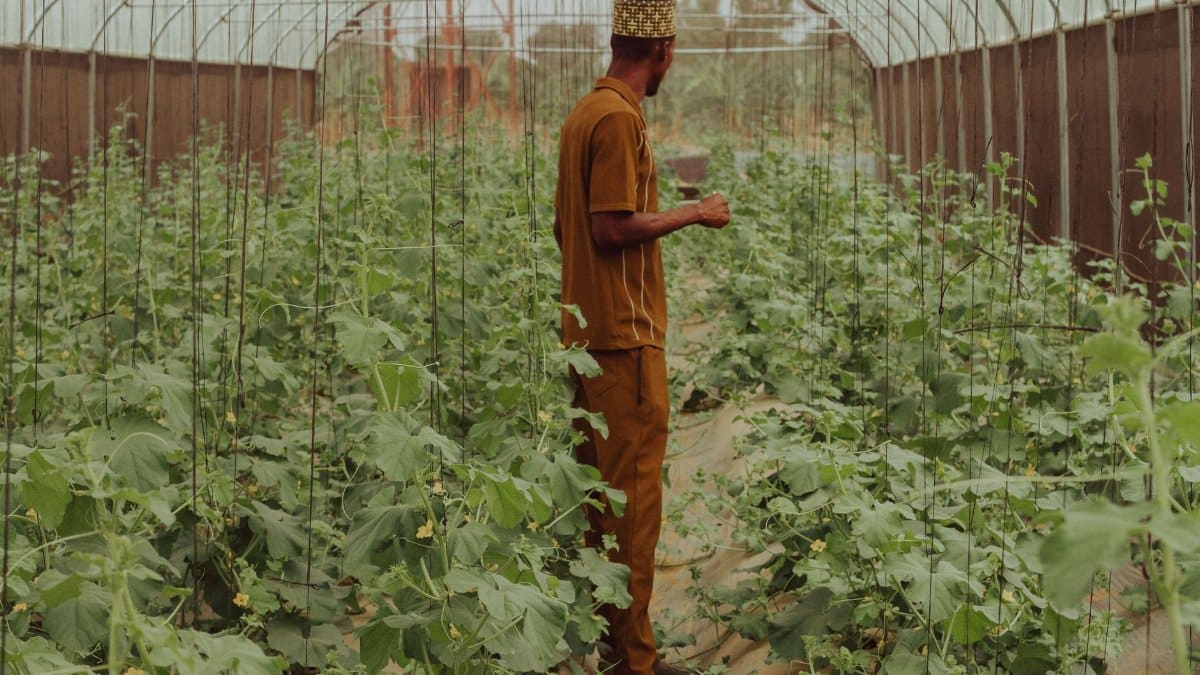
The H2A system brings in tens of thousands of workers annually to fill shortages during peak harvest periods. The court ruling reinforces the requirement that wage rules must rest on solid data and public input. Legal observers expect similar challenges in other districts if agencies attempt comparable adjustments without thorough analysis.
Worker Perspectives on Pay and Conditions

Many laborers interviewed after the decision described ongoing struggles to cover basic expenses while sending money to relatives in their home countries. One crew member noted that even small reductions in hourly rates make it harder to afford medicine or school supplies for children. Union leaders said the victory provides a measure of protection against future attempts to lower standards.
Next Steps for Federal Labor Policy

The Labor Department now faces the task of revising its approach to wage setting for temporary agricultural visas. Officials may need to conduct additional studies and gather more comments from stakeholders before issuing a new proposal. The case could influence how other employment regulations are crafted in the coming years.
Looking Ahead for Farm Labor Relations
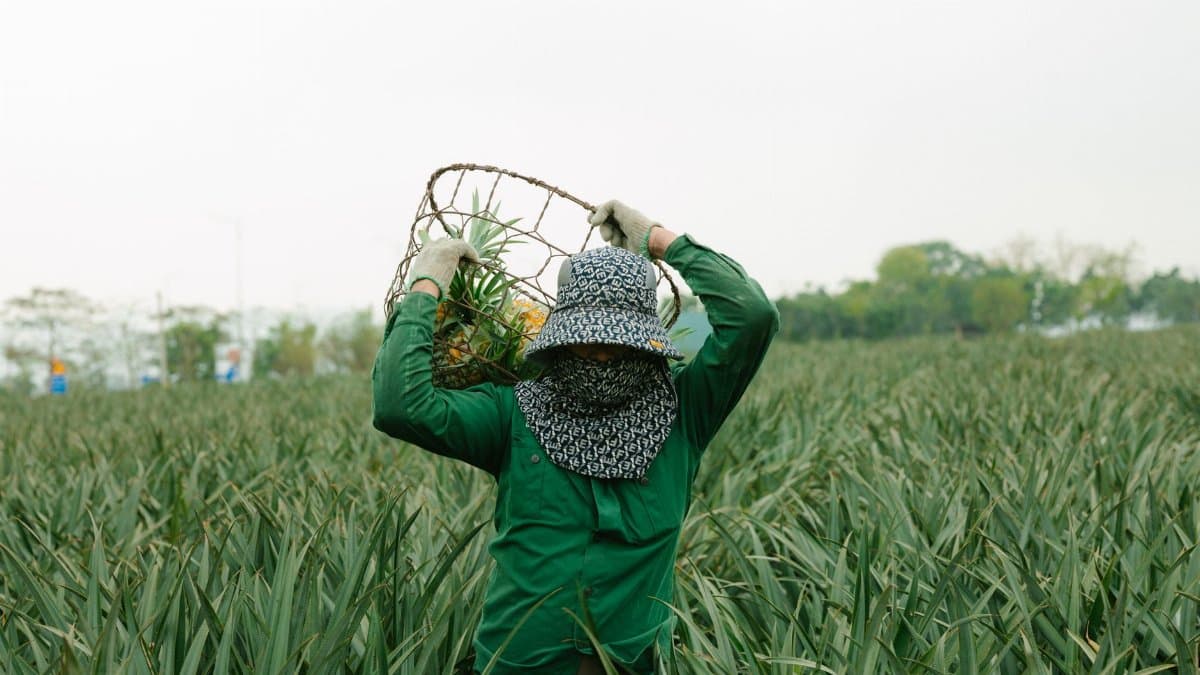
This decision arrives at a time when agriculture faces pressure from changing weather patterns and shifting consumer demands. Both employers and employees have an interest in predictable rules that support steady production and decent living standards. Continued dialogue between government agencies courts and affected communities will shape how these issues evolve.