

Could virtual reality be the key to transcending the self? At Stanford University, groundbreaking research into VR therapy ego Stanford is challenging how we perceive our own identities. Researchers are crafting immersive virtual environments that evoke profound feelings of awe and interconnectedness, aiming to reduce ego-centric perspectives. This innovative approach could reshape mental health practices by offering a new way to step outside the confines of self-focused thinking. As early results emerge, the potential for VR to foster a deeper sense of unity is capturing attention across the U.S.
Stanford’s Bold Experiment with VR
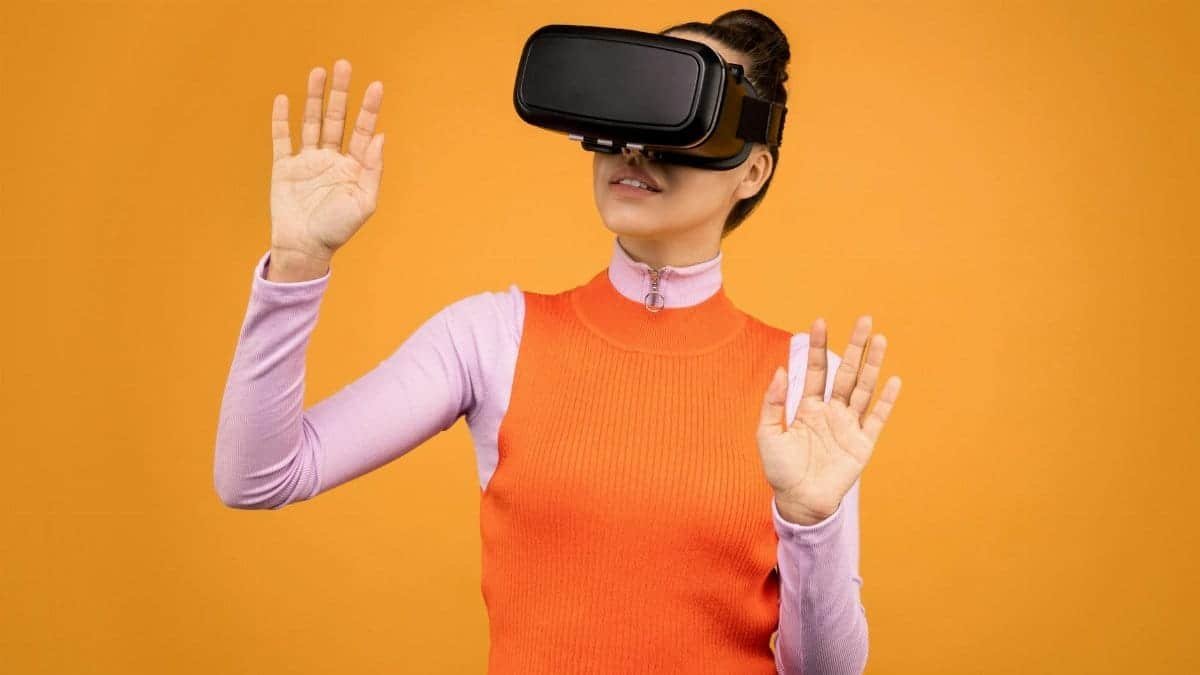
Stanford University, a hub for cutting-edge research, is at the forefront of a unique psychological experiment. Their latest project uses virtual reality to create environments that inspire awe—a vast, starry sky or an endless ocean horizon, for instance. The goal is to help users experience something larger than themselves, prompting a shift away from ego-driven thoughts. This initiative, rooted in the heart of California’s tech-savvy Silicon Valley, leverages VR technology to address deeply personal, even spiritual, dimensions of human experience.
The Science Behind Awe and Ego Reduction

The concept driving this research hinges on awe, a powerful emotion that can make individuals feel small in the grand scheme of things. Stanford researchers hypothesize that immersive VR settings can reliably trigger this feeling, helping users detach from an overemphasis on personal identity. When someone feels connected to a broader whole—whether nature or humanity—their sense of self-importance often diminishes. This isn’t just theory; it’s a deliberate design to rewire how the mind prioritizes the “I” in daily life.
Immersive Environments as a Tool for Change

Unlike traditional therapy, which often relies on dialogue or reflection, Stanford’s VR environments plunge users directly into transformative experiences. Picture standing atop a virtual mountain, gazing at a boundless vista, or floating among galaxies—these simulations are crafted to evoke a visceral response. The technology bypasses intellectual barriers, targeting emotions that can loosen the grip of ego-centric thinking. For many, this direct approach could offer a faster path to psychological shifts than conventional methods.
Potential Applications in Mental Health

The implications of VR therapy ego Stanford extend into mental health care, where reducing self-focused perspectives could aid in treating conditions like anxiety or narcissism. By fostering a sense of interconnectedness, this therapy might help individuals prioritize community and empathy over personal gain. While the research is still in its early stages, the possibility of integrating VR into clinical settings is a tantalizing prospect for therapists seeking innovative tools to support patients in 2025 and beyond.
Bridging Technology and Spirituality

Stanford’s work also touches on a less tangible realm: spirituality. The feelings of awe and unity induced by VR can mirror experiences often described in meditative or religious contexts. This intersection of tech and transcendence raises intriguing questions about how digital tools might support personal growth. As Americans increasingly turn to technology for wellness—think mindfulness apps or wearable health trackers—VR could become a new frontier for those seeking deeper meaning without leaving their homes.
Challenges and Future Directions

Despite the promise, hurdles remain. VR technology isn’t yet widely accessible, with high costs and technical requirements limiting its reach. Additionally, long-term effects of such therapy are unknown—will the reduction in ego-centric thinking persist outside the headset? Stanford researchers are committed to addressing these gaps, planning further studies to refine their approach. Collaboration with tech companies and mental health professionals could help scale this innovation, making it a viable option for more people in the near future.
Credible Voices in the Field

While specific findings from Stanford’s study are still emerging, the broader field of VR therapy is gaining traction. Research from institutions like the University of Southern California has already shown VR’s potential in treating phobias and PTSD, providing a foundation for Stanford’s ego-focused work. For more on VR’s therapeutic applications, see studies summarized by the National Institutes of Health. Additionally, Stanford’s own research hub offers insights into their ongoing projects at Stanford Research.
A Glimpse at Broader Impact

As Stanford continues to explore VR therapy ego Stanford, the ripple effects could extend beyond individual therapy. Imagine workplaces using VR to build team cohesion or schools adopting it to teach empathy. In a society often criticized for individualism, especially in the U.S., this technology might offer a counterbalance, encouraging a collective mindset. While it’s too early to predict widespread adoption, the seeds of change are being planted in these virtual landscapes.