
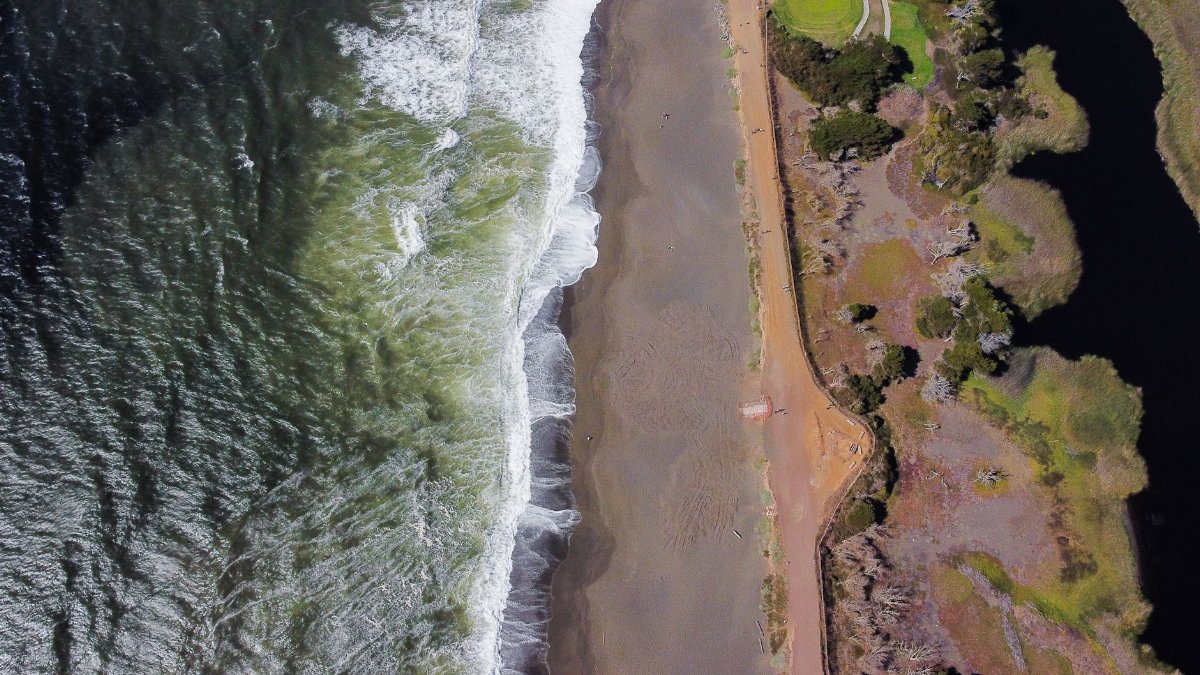
In the quiet mornings at one of Californias most cherished coastal spots residents often find themselves navigating crowded lots and narrow roads just to enjoy a day by the water. The recent decision by the California Coastal Commission brings fresh attention to these daily challenges through approval of the Stinson Beach parking plan. This measure aims to adapt facilities to the realities of a changing coastline while preserving public enjoyment for generations ahead. Locals and visitors alike have watched as tides creep higher each year reshaping the edge of the shore and testing the limits of existing infrastructure. Officials now see an opportunity to redesign the area with future conditions in mind rather than clinging to old layouts that no longer serve the public well.
History of Access Issues at the Shore
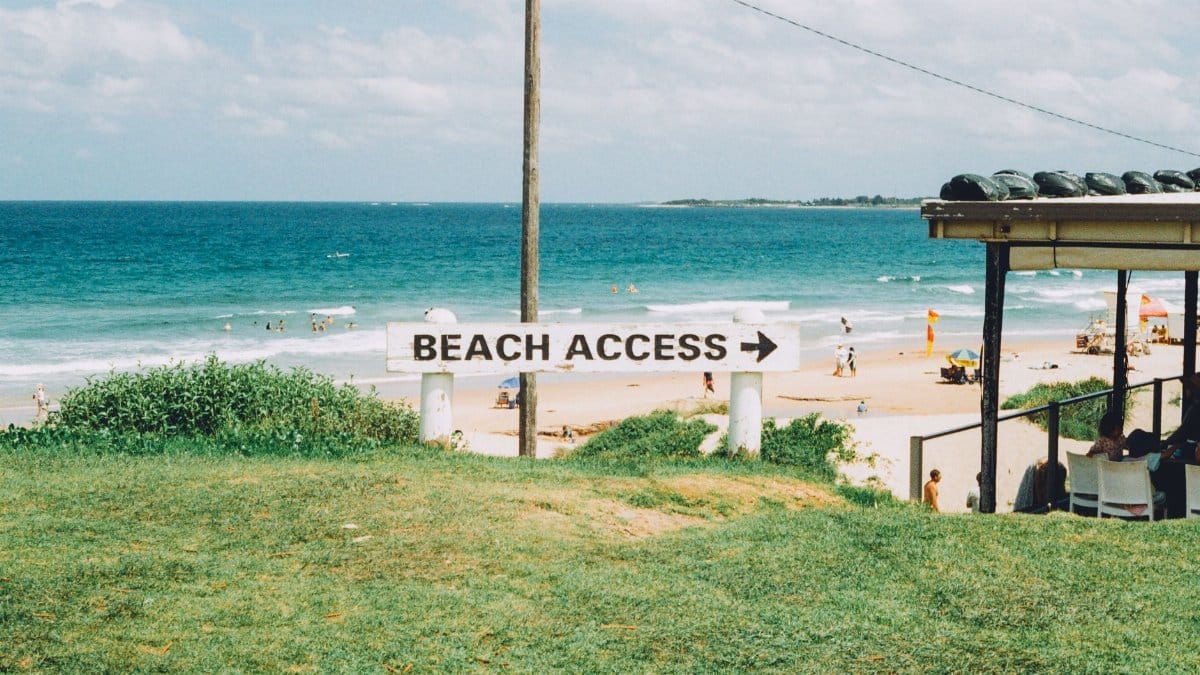
Stinson Beach has drawn crowds for decades with its wide sands and easy views of the Pacific. Yet parking has remained a persistent headache especially during summer weekends when every space fills before noon. Past attempts to expand capacity ran into environmental reviews that highlighted risks from erosion and flooding. The latest approval marks a shift toward managed change instead of endless expansion.
Details Behind the Commission Vote

Commission members reviewed maps and engineering reports that showed how current lots sit too close to the water line. They voted to support a revised layout that moves some spaces inland and adds permeable surfaces to handle runoff. The Stinson Beach parking plan also calls for better signage and shuttle stops to reduce the number of cars circling for spots.
Impact on Daily Visitors and Locals
Families who drive from inland counties may notice new paths leading from parking areas to the sand. Some longtime residents worry that fewer total spaces could limit spontaneous trips but planners argue the changes will improve flow and safety. Early models suggest wait times at entrances could drop once the redesign takes hold.
Environmental Protections Built Into the Plan

Designers incorporated native plant buffers along the new lot edges to stabilize soil and provide habitat for shorebirds. Drainage systems will direct water away from sensitive dunes rather than letting it pool near the beach. These steps reflect a broader effort to balance recreation with the need to protect the coastline from further stress.
Community Reactions and Public Meetings

Several town halls drew dozens of speakers who shared stories of blocked driveways and lost beach days. Supporters praised the forward looking approach while critics asked for more data on how the changes would affect small businesses nearby. The dialogue revealed deep attachment to the beach as a place of both relaxation and local identity.
Comparisons With Other Coastal Projects
Similar updates have taken place along the Oregon coast where lots were moved back from eroding bluffs. Those examples offered lessons on material choices that withstand salt air and heavy use. Marin County officials studied the results before finalizing their own proposal.
Next Steps for Construction and Funding

State grants will cover much of the work with construction expected to begin within two years. Crews will phase the project to keep at least partial access open during peak seasons. Monitoring teams will track water levels and usage patterns once the lots reopen in their new form.
Longer Term Outlook for the Region

The Stinson Beach parking plan serves as one piece of a larger conversation about how the Bay Area adapts to shifting conditions along its shoreline. Other communities watch closely to see whether the same mix of relocation and restoration can work in their own settings. Success here could guide future decisions from Half Moon Bay to Bodega Bay.