
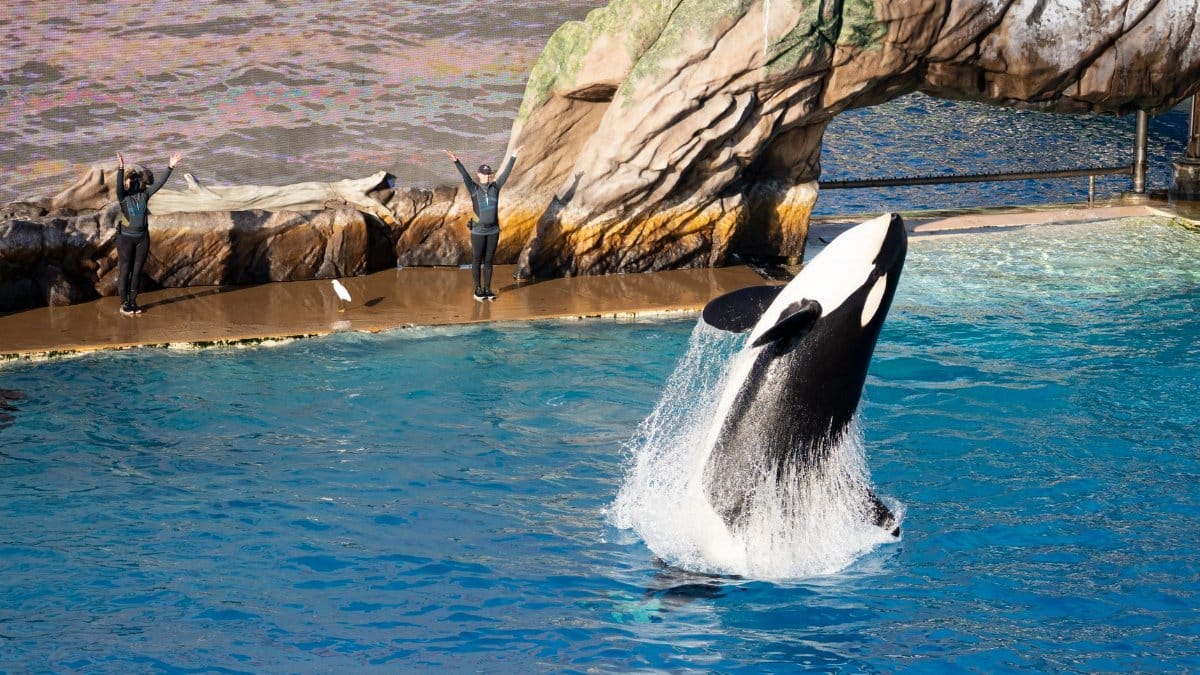
The arrival of three beluga whales at a famous marine park in southern California marks a significant moment in wildlife management. After a lengthy trip from their previous home in Canada these creatures are adapting to new surroundings. Experts note that such moves require careful planning to ensure the wellbeing of the animals. Beluga whales SeaWorld San Diego provides the setting for this new phase in their lives. Teams coordinated across borders to make the relocation possible with attention to every detail from water quality to temperature control.
Background on the Canadian Facility Closure

The park in Canada had operated for years but faced mounting challenges that led to its shutdown. Animals there needed new homes and international options were explored. This situation brought together various organizations focused on marine life protection. The choice of a California destination came after thorough evaluations of available spaces and resources.
Planning the Cross Country Move

Preparation took months with specialists designing custom transport units. These units allowed for stable conditions during the entire trip. Monitors tracked vital signs at regular intervals to catch any issues early. The route was chosen to minimize stress and allow for rest stops as needed.
Role of SeaWorld San Diego in Marine Care
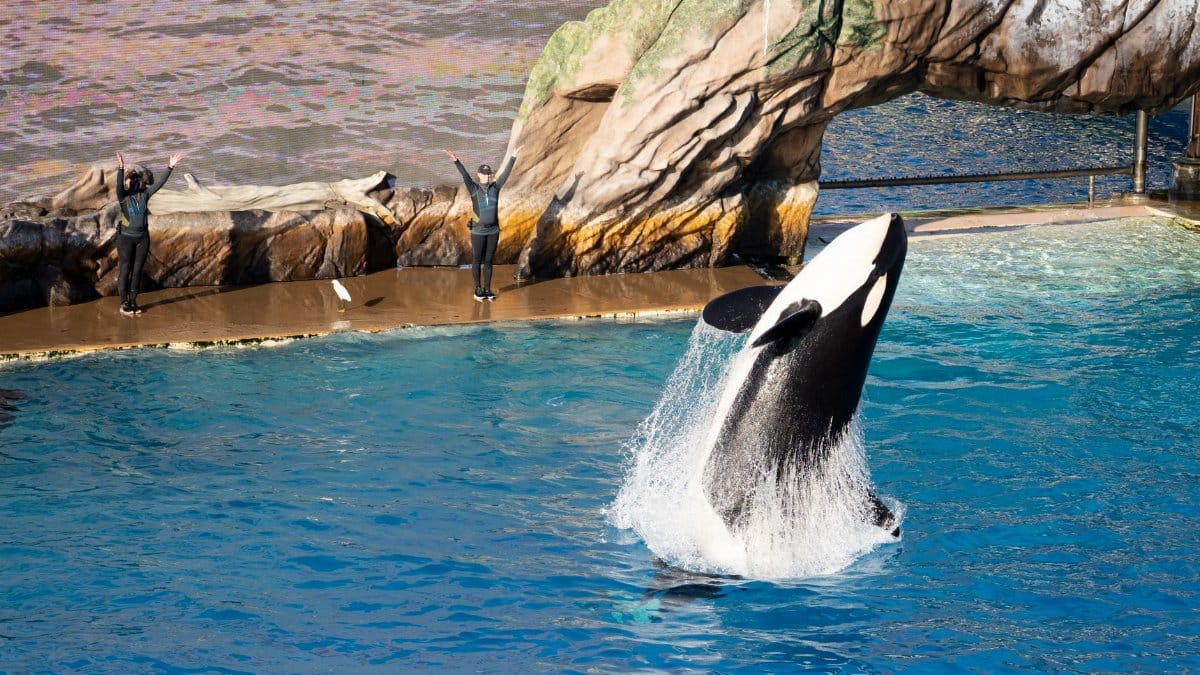
Beluga whales SeaWorld San Diego has a long record of working with similar species. Staff members undergo extensive training in handling large marine mammals. Facilities include expansive areas that mimic natural habitats as much as possible. Ongoing research there contributes to broader knowledge about these animals.
Adaptation Period for the New Arrivals

Upon reaching the park the whales entered a quiet phase to settle in. Caregivers introduced familiar foods gradually while observing eating patterns. Interactions with other residents were limited at first to reduce overwhelm. Progress reports indicate steady improvement in activity levels.
Broader Implications for Animal Relocations
Cases like this one raise questions about how facilities across regions can support one another. Success depends on shared standards and open communication. Future efforts may benefit from lessons learned here. Public interest often grows around such stories which can aid funding for conservation.
Public Response and Educational Opportunities

Visitors have shown curiosity about the new residents and their story. Programs at the park now include information sessions on beluga needs and protection efforts. Schools sometimes arrange visits to learn more about ocean life. This exposure helps build awareness among younger generations.
Challenges in Maintaining Optimal Conditions

Keeping pools at the right temperature demands constant oversight. Diet plans must account for individual preferences and health markers. Medical checkups occur on a set schedule to catch problems before they grow. All these elements work together to support long term health.
Future Outlook for the Group

Staff members express optimism about how the whales will thrive in their updated home. Continued monitoring will guide any adjustments to routines. Partnerships with other groups may expand to share data and techniques. Overall this relocation stands as an example of collaborative success in the field.