
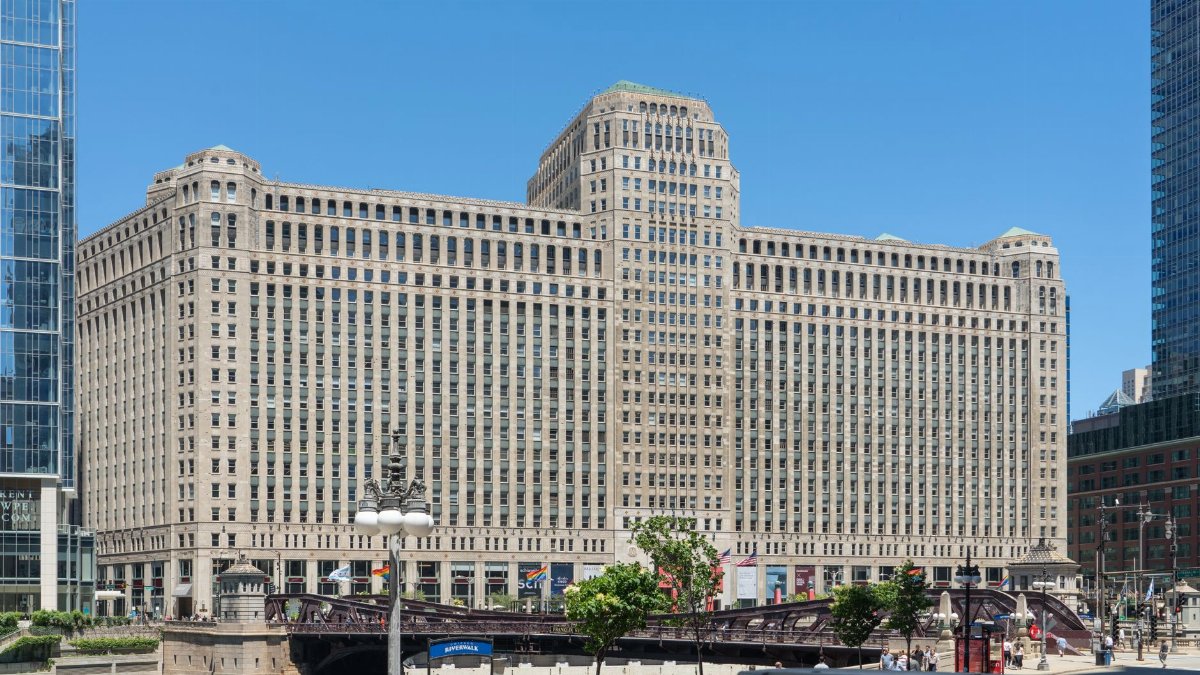
In the heart of downtown Minneapolis a once vacant tower has become a symbol of commercial real estate revival. What began as a bold experiment in discounted leasing after widespread office closures has turned into steady occupancy gains. The LaSalle Plaza success shows how reduced rents combined with targeted improvements can draw companies back from suburban or remote setups. Observers note that early skepticism gave way to tangible results as firms signed on faster than projections indicated. This outcome points to broader lessons for other properties navigating similar market conditions.
Initial Hurdles Following Widespread Closures

Office towers across the country faced empty floors and uncertain demand as hybrid schedules took hold. LaSalle Plaza encountered the same pressures yet responded with aggressive rate adjustments that set it apart from competitors holding firm on pricing. Property managers focused on flexible lease terms rather than traditional long commitments. This approach helped fill space during a period when many businesses hesitated to expand footprints in city centers.
Strategic Pricing That Drew Early Interest

By offering rates well below pre pandemic levels the ownership group created immediate appeal for cost conscious tenants. Several firms cited the savings as a key factor in relocating or consolidating operations downtown. The move paid dividends as occupancy climbed ahead of schedule and word spread among local brokers about favorable deals available at the site.
Improvements That Enhanced Tenant Appeal

Alongside lower rents came upgrades to common areas and building systems. Fresh lobby designs improved first impressions while updated mechanical equipment addressed efficiency concerns raised by prospective occupants. These changes signaled a commitment to long term viability rather than short term fixes alone.
Role of Ownership in Accelerating Results

Hempel Real Estate managed the asset with a focus on quick decisions and direct outreach to potential users. Rather than waiting for market conditions to improve the team pursued deals proactively and customized spaces to match individual needs. Such hands on involvement contributed to targets being met years ahead of original forecasts.
Broader Effects on Surrounding Businesses

As workers returned to the tower nearby restaurants and shops saw increased foot traffic during weekdays. This spillover activity supported local employment and helped stabilize retail corridors that had suffered during remote work peaks. City officials have noted the positive momentum as a model worth watching for other districts.
Comparisons With Peer Properties Nationwide

Many similar buildings continued to struggle with vacancy rates above twenty percent while LaSalle Plaza achieved higher utilization. The difference often traced back to willingness to adjust expectations on revenue per square foot in exchange for faster stabilization. Analysts suggest this trade off may influence strategies elsewhere in coming quarters.
Lessons for Investors Considering Similar Assets

Those evaluating distressed office holdings now examine cases like this one for guidance on timing and concessions. Success appears tied less to location alone and more to execution speed plus realistic pricing. Properties that delay action risk prolonged underperformance in a market still adjusting to new work patterns.
Outlook for Continued Stability

With most space leased attention has turned to renewal prospects and minor expansions by existing tenants. Early signs point to satisfaction with both cost and location which bodes well for retention. The building stands as an example of adaptation that could inform recovery efforts in other mid sized markets.