
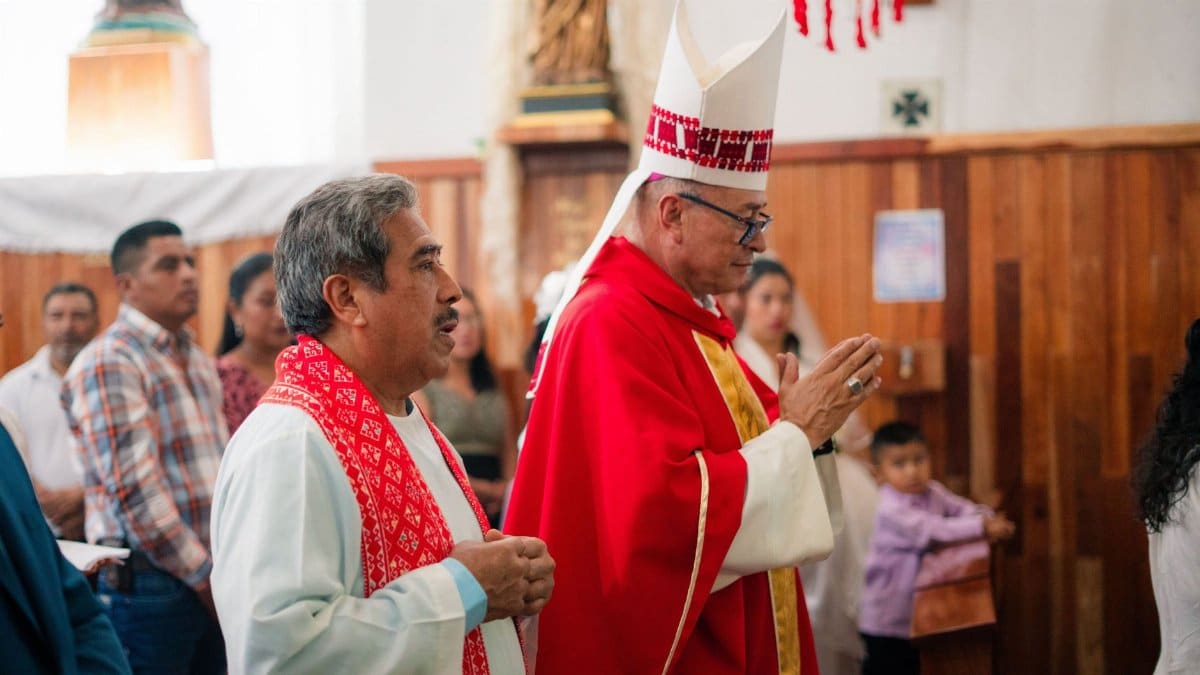
In the sunlit chambers of Tallahassee, where legislative debates often intersect with moral questions, a measured intervention by religious figures has drawn notice. Their correspondence to the states top law enforcement official highlights enduring tensions over institutional roles. This action centers on Florida Catholic bishops separation church state and invites reflection on how faith communities engage with civic processes without overstepping established norms. The exchange arrives amid ongoing conversations about education funding, health regulations, and social services, areas where religious perspectives frequently surface. Observers note that such reminders can clarify expectations for all parties involved in governance.
The Origins of the Reminder

The correspondence emerged after several policy proposals touched on areas traditionally viewed as sensitive for religious organizations. Catholic leaders expressed concern that certain measures risked blurring lines that have long protected both government and houses of worship. The letter itself remained concise yet pointed, citing constitutional language to support its position. Florida Catholic bishops separation church state appears as the central theme, underscoring a desire to preserve autonomy on both sides.
Key Points Raised in the Communication
Within the document, the bishops emphasized that public officials must respect the independence of religious institutions when crafting rules. They also noted that faith based groups contribute substantially to charitable work across the state. The text avoided partisan language, focusing instead on shared principles that benefit society at large. This approach allowed the message to resonate beyond immediate political circles.
Historical Background in Florida

Florida has witnessed periodic discussions about the proper place of religious voices in public life since its early statehood. Court decisions from the middle of the twentieth century onward have shaped expectations around funding for schools and social programs. These precedents continue to inform current debates, providing a framework that both government and religious entities reference during disagreements. Local history shows repeated efforts to balance competing interests without favoring one side.
Reactions from State Officials
The attorney general office acknowledged receipt of the letter and indicated it would review the concerns carefully. Other lawmakers offered varied responses, with some praising the bishops for defending constitutional boundaries and others questioning whether the timing suggested political motives. Public statements from elected representatives revealed a spectrum of views on how religious input should influence policy formation. The episode has not yet produced formal legislative changes.
Implications for Public Policy
Should the reminder influence future decisions, areas such as school choice programs and healthcare mandates could see adjustments to avoid perceived overreach. Policymakers may become more cautious when drafting language that affects religious employers or service providers. The episode illustrates how written appeals from organized faith groups can prompt renewed attention to foundational legal concepts in state governance.
Views from the Catholic Community
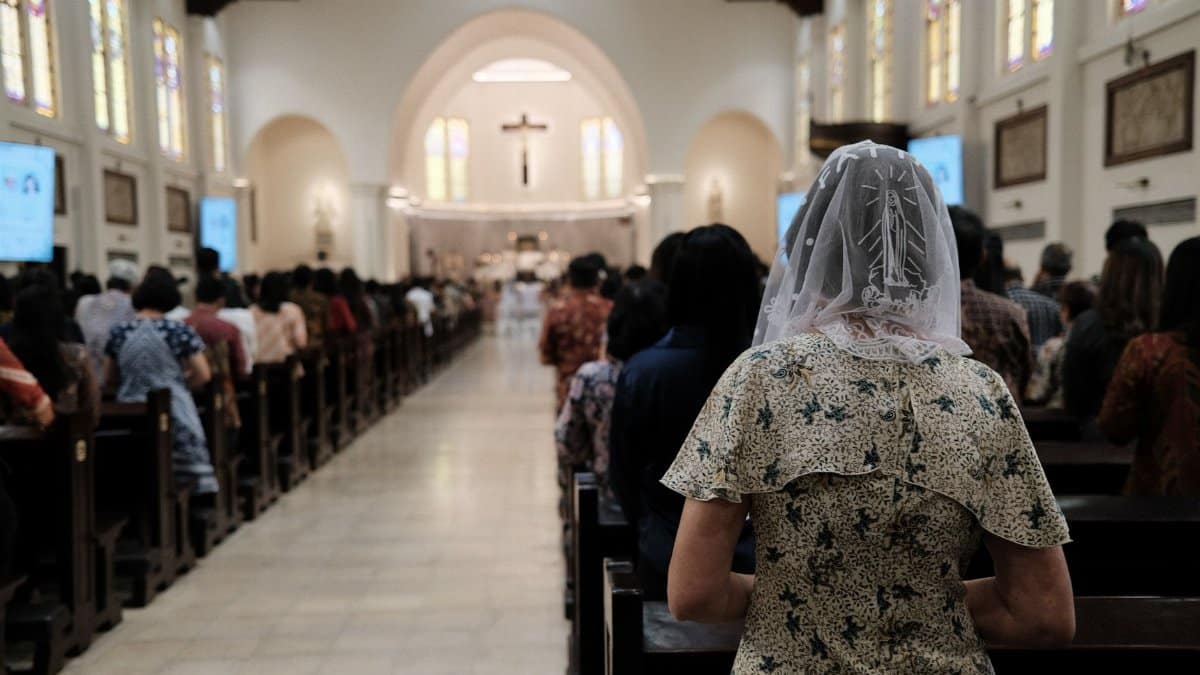
Parishioners across Florida have expressed a range of sentiments about the letter. Some appreciate the effort to maintain clear distinctions, believing it protects the integrity of spiritual missions. Others worry that public statements on political matters might distract from pastoral duties. Local dioceses have hosted forums to discuss the balance between civic engagement and religious focus.
Comparisons with National Trends

Similar exchanges have occurred in other states where religious leaders address attorneys general or governors on overlapping issues. Patterns suggest that such interventions often arise during periods of rapid policy change in education or family law. Florida Catholic bishops separation church state fits within this wider pattern of dialogue aimed at preserving institutional boundaries nationwide.
Potential Future Developments

Analysts anticipate continued correspondence if new bills advance in upcoming sessions. Court challenges remain possible should disputes over funding or regulation persist. Religious organizations may expand educational efforts to inform members about legal precedents that guide church and state interactions. The current letter could serve as a reference point in those ongoing conversations.
Role of Religious Voices in Democracy
Faith communities have long contributed perspectives that shape public discourse on ethics and community welfare. When leaders articulate positions grounded in constitutional principles, they participate in democratic processes without claiming authority over secular institutions. This dynamic allows for robust debate while respecting the pluralistic nature of American society.
Broader Societal Reflections

The episode invites citizens to consider how religious and governmental spheres can coexist productively. Clear communication between the two realms helps prevent misunderstandings that might otherwise escalate. Florida Catholic bishops separation church state thus functions as both a specific appeal and a prompt for wider consideration of these relationships in contemporary life. As discussions continue, the emphasis remains on mutual respect and adherence to established legal traditions that have served diverse populations over generations.