
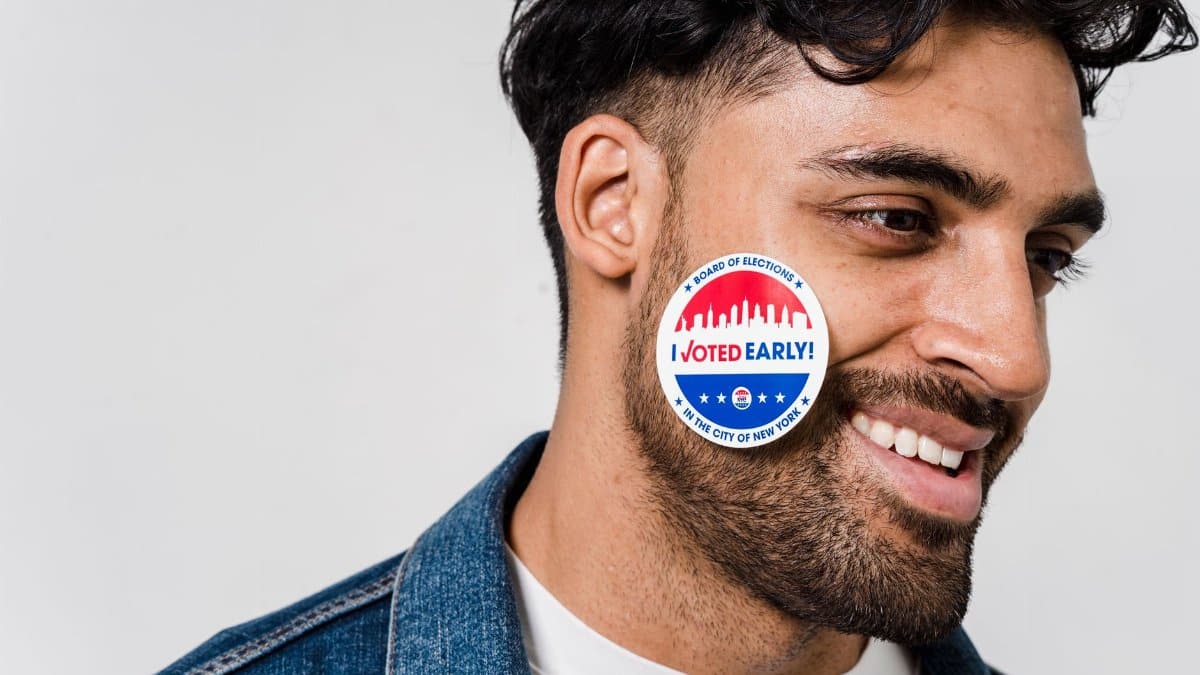
In Minnesota a court has issued a ruling that requires election judges at sites for casting ballots ahead of the main day to come from both major political parties. This development has the potential to alter arrangements for Early Voting Judges in various locations throughout the state. Officials now face the task of ensuring compliance while maintaining smooth operations for voters who choose to participate early. The change comes at a time when more residents than ever before have shown interest in casting ballots outside the traditional election day window.
The Background of the Legal Challenge

The lawsuit arose from concerns that some early voting locations lacked balanced representation among those supervising the process. Plaintiffs argued that without judges from opposing sides the integrity of the vote could be questioned. The court agreed and set forth new standards that must be met before the next cycle begins. Local clerks across the state are reviewing their current rosters to see where adjustments are needed most.
How Election Judges Serve Minnesota Voters
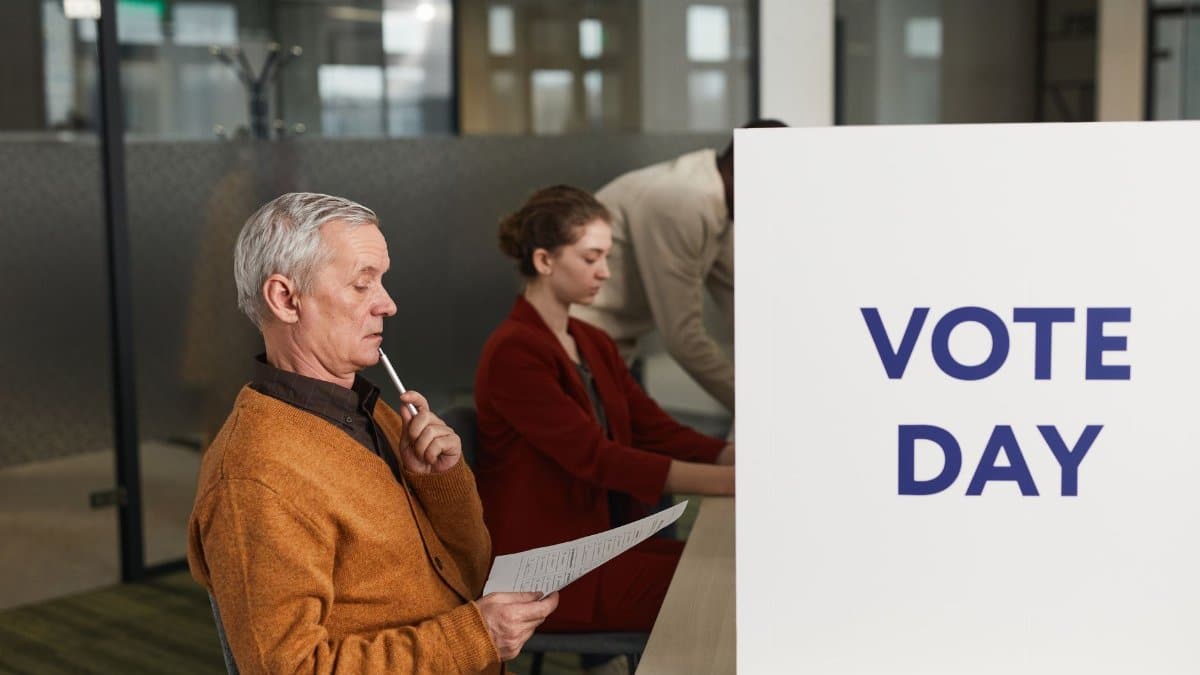
Election judges play a central part in confirming voter eligibility and handling ballots with care. In past seasons many sites operated with judges drawn from one party or even volunteers without strict party balance. The new order shifts that practice by insisting on a bipartisan presence at every early voting spot. This approach aims to build greater public confidence in the results.
Effects on Planning for Early Voting Judges

Communities that relied on a smaller pool of trained judges now must recruit additional people to meet the bipartisan rule. Training sessions are being expanded to prepare newcomers for the duties involved. Some rural counties report particular difficulty in finding enough willing participants from both parties. Urban areas with larger populations may adapt more quickly.
Views from the Major Political Parties
Leaders in each party have expressed cautious support for the ruling while noting practical hurdles ahead. Democrats see the change as a safeguard against one sided oversight. Republicans emphasize the need for equal numbers rather than token presence. Both sides agree that clear guidelines from state officials will help avoid confusion at the sites.
Possible Shifts in Voter Participation Rates
Analysts suggest the ruling could influence how many people opt for early voting in future contests. Some residents may appreciate the added layer of oversight and feel more secure about their choices. Others might encounter longer waits if staffing shortages occur during peak hours. Turnout patterns will be watched closely once the new system takes effect.
Lessons from Practices in Neighboring States
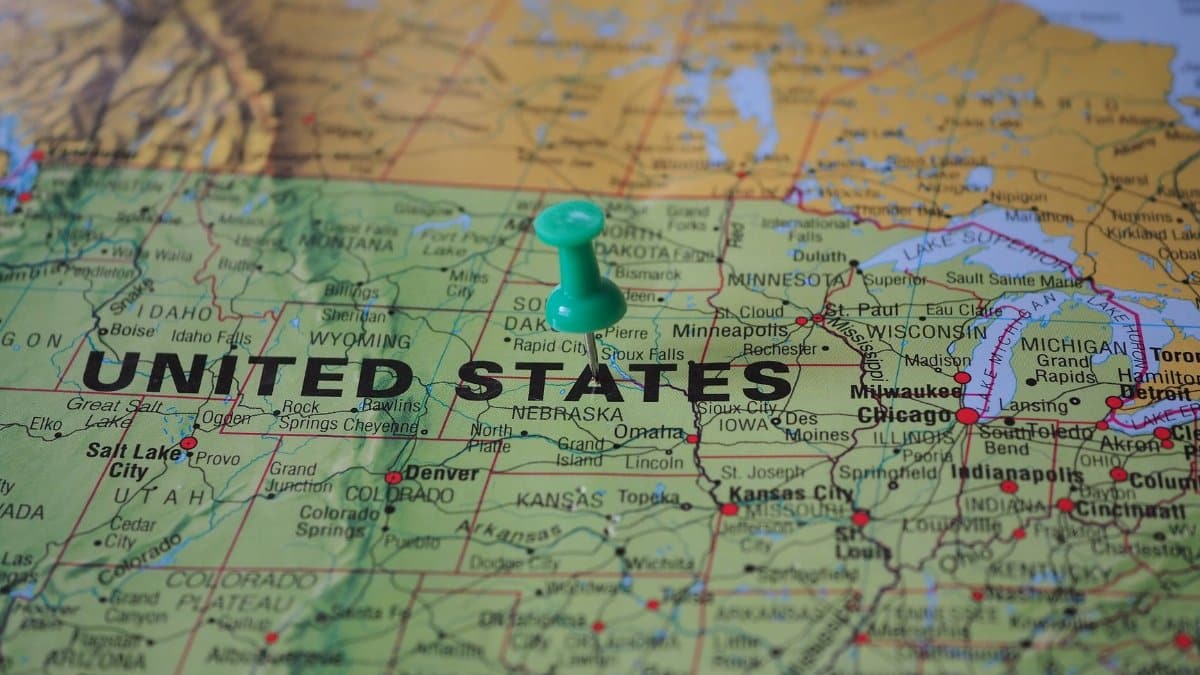
States near Minnesota already follow similar rules for balanced judge assignments at early voting locations. Their experiences show that advance planning and joint recruitment efforts can ease the transition. Minnesota officials are studying those models to adapt what works best for local conditions. Cooperation between party organizations has proven key in those places.
Guidance from Legal Observers and Clerks

Attorneys who focus on election law describe the ruling as a modest but meaningful step toward uniformity. County clerks stress the importance of clear communication with the public about any new procedures. Both groups call for adequate funding to support expanded training and recruitment drives.
Next Steps for State and Local Officials

State agencies are preparing detailed instructions to assist counties in implementing the court order. Meetings with party leaders are scheduled to coordinate judge assignments well in advance of the next voting period. Continued dialogue will determine whether further adjustments become necessary. Early Voting Judges will remain central to these discussions as the state moves forward.