
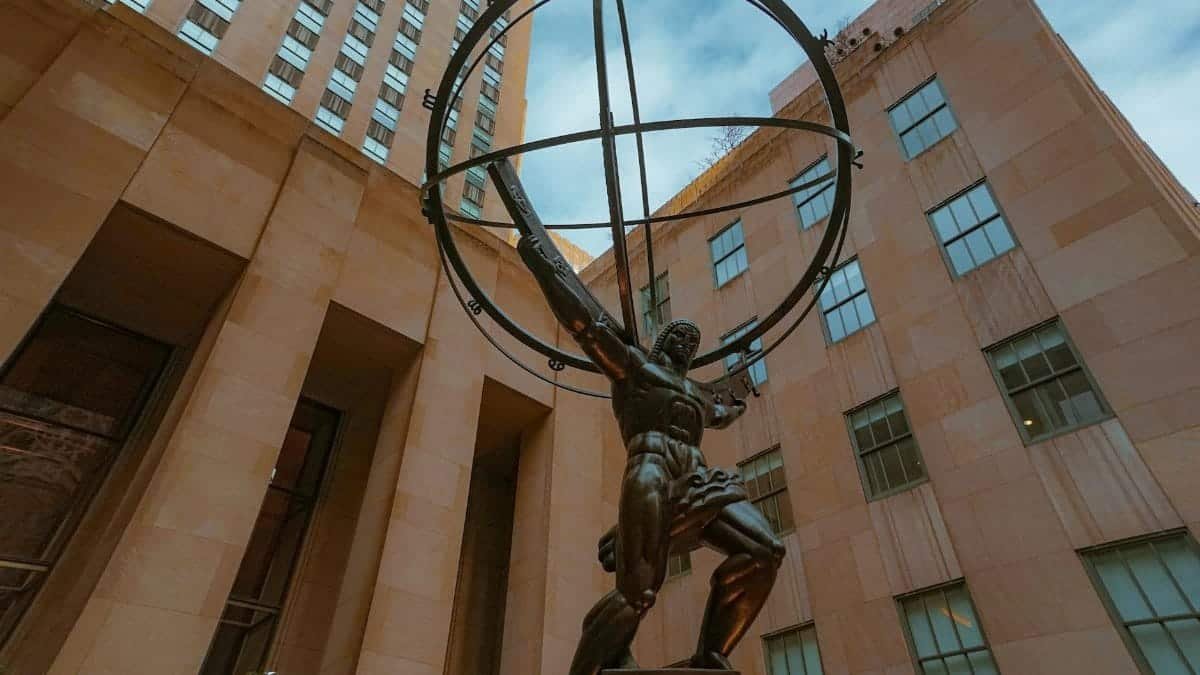
Is NYC hustle culture ego really driving a hidden mental health crisis? In a city where ambition is currency, a recent panel discussion in New York City tackled this pressing question head-on. Experts from psychology and sociology gathered to dissect how the relentless pace of NYC’s work culture shapes residents’ sense of self, often inflating egos to unsustainable levels. Their debate shed light on a growing concern: the psychological toll of constant striving in the Big Apple. What emerged was a stark look at ambition’s double-edged sword.
The Panel: A Clash of Perspectives

In a packed venue in Manhattan, the discussion brought together a diverse group of experts eager to unpack the intersection of hustle and ego. Psychologists argued that the city’s high-stakes environment fosters a need for validation through achievement. Sociologists, meanwhile, pointed to cultural norms that equate worth with productivity. The room buzzed with tension as these professionals debated whether NYC’s unique pressures create a breeding ground for ego-driven behavior, where self-worth hinges on external success.
Defining NYC Hustle Culture Ego
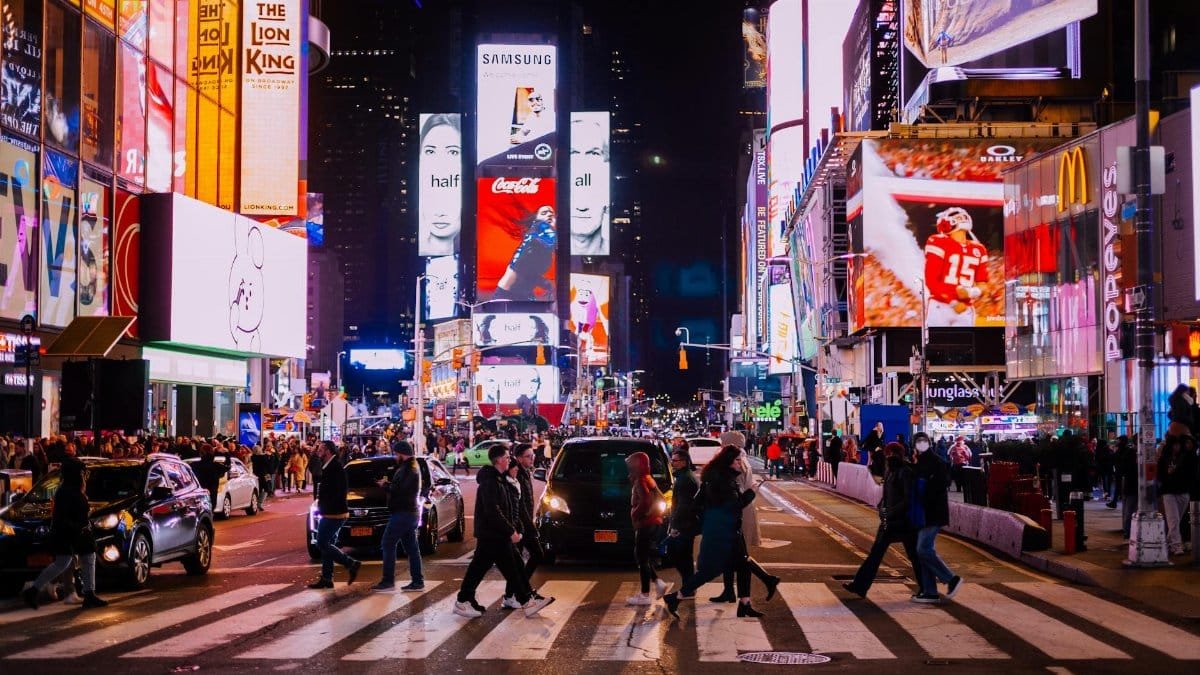
At the heart of the conversation was a term gaining traction: NYC hustle culture ego. It refers to the inflated sense of self that can emerge from the city’s relentless drive for success. Experts described it as a mindset where individuals tie their identity to career wins, often at the expense of personal balance. In a city that never sleeps, this ego boost can feel like a survival mechanism—until it spirals into stress or burnout.
Psychological Impacts: Ego as Armor

Psychologists on the panel highlighted how the city’s demanding work culture can distort self-perception. The constant push to outpace peers often leads to an overreliance on external validation—think promotions, social media likes, or corner offices. This creates a fragile ego, armored by achievements but vulnerable to setbacks. One expert noted that this cycle can fuel anxiety, as residents fear falling behind in a hyper-competitive landscape. The mental health implications are hard to ignore.
Societal Pressures: A Cultural Culprit
Sociologists at the event emphasized the role of NYC’s cultural fabric in amplifying ego issues. The city’s ethos celebrates the grind—long hours, side hustles, and networking are badges of honor. This environment can pressure individuals to prioritize status over well-being, embedding a sense of superiority tied to output. The panel questioned whether this cultural norm is sustainable, especially as younger generations grapple with defining success on their own terms in 2025.
The Ego Trap: When Ambition Backfires

A key takeaway from the discussion was the potential downside of unchecked ambition. Experts warned that an ego fueled by hustle culture can lead to isolation. When self-worth is tied to outperforming others, relationships often suffer. The panel cited the risk of burnout as a major concern, with many New Yorkers pushing past healthy limits to maintain an image of success. This trap, they argued, is a silent epidemic in the city’s workforce.
Balancing Act: Can Ego Be Healthy?

Not all panelists viewed ego as inherently negative. Some argued that a degree of self-confidence is necessary to thrive in NYC’s cutthroat environment. The challenge lies in balance—channeling ambition without letting it define one’s entire identity. Suggestions included mindfulness practices and setting personal boundaries, though skeptics questioned whether such strategies can hold up against the city’s relentless pace. The debate left attendees pondering if a healthy ego is even possible here.
Broader Implications for Mental Health

The panel’s insights resonate with broader mental health trends in urban centers like NYC. Studies from reputable sources underscore the link between high-pressure environments and psychological strain. For instance, research from the American Psychological Association highlights how chronic stress in competitive settings can exacerbate anxiety and self-esteem issues. Similarly, data from Pew Research Center suggests urban dwellers often report higher stress levels tied to work culture. These findings frame the panel’s concerns in a national context.
What’s Next for NYC Residents?
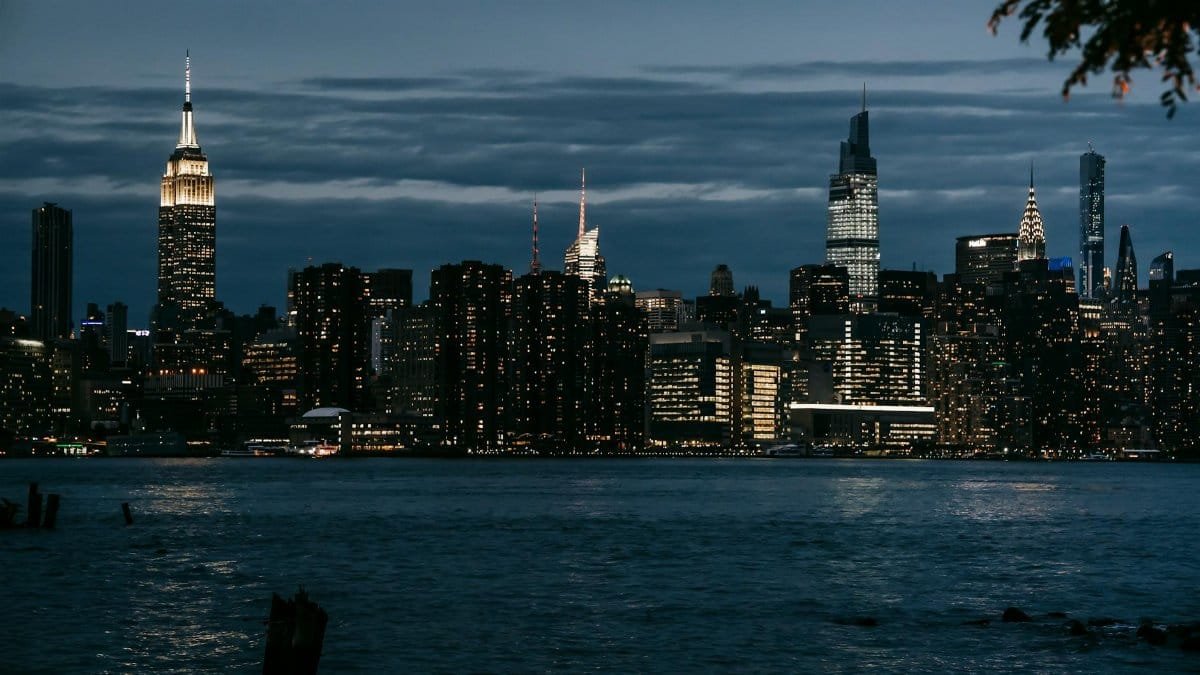
The discussion ended without consensus, but it sparked a vital conversation about redefining success in New York. Experts urged residents to reflect on how hustle culture shapes their self-view and to seek support if the pressure feels overwhelming. Community initiatives and workplace reforms were floated as potential solutions, though no concrete plans emerged. For now, the psychological impacts of NYC hustle culture ego remain a critical issue, one that demands attention as the city races forward in 2025.