

A recent discovery showed how an internal calculation mistake at the Texas grid operator allowed the system to run with less backup power than its own planning tools required. This situation placed unusual pressure on ERCOT grid reserves during periods of high demand and limited supply. The finding has prompted fresh questions about reliability in a state that has faced repeated electricity challenges in recent years. Officials now examine how such an oversight occurred and what steps might prevent similar shortfalls in the future. The episode highlights the delicate balance between model predictions and actual operations across a vast network serving millions of residents.
Background on the Texas Power Network
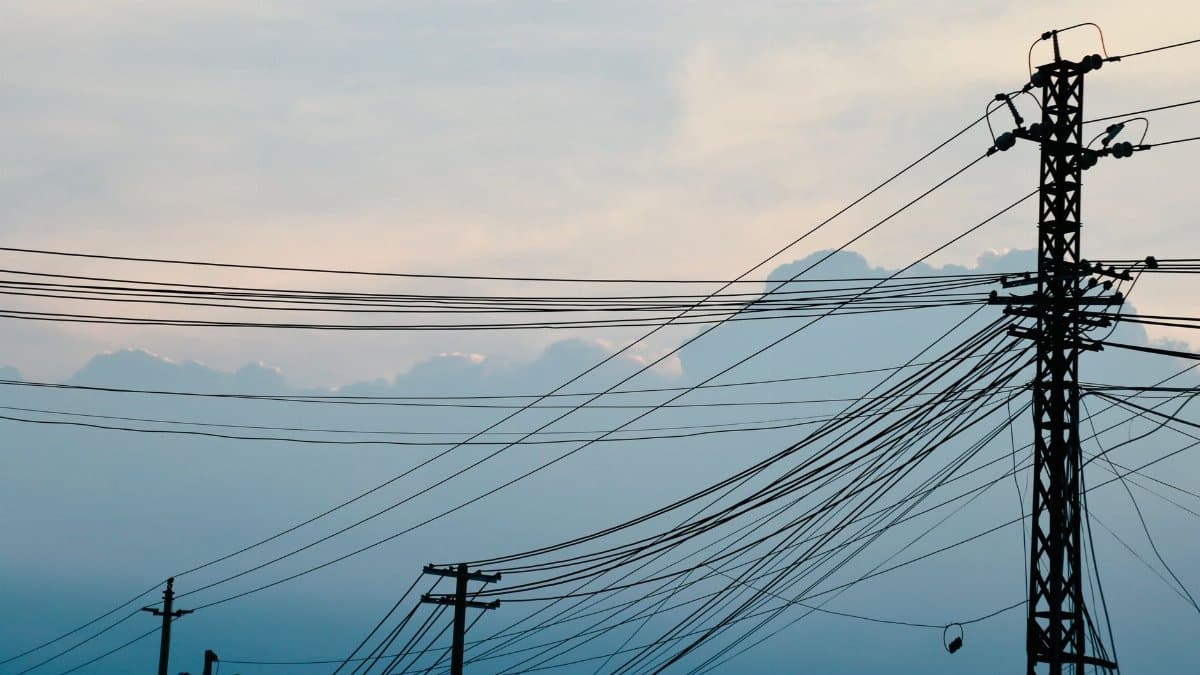
The operator known as ERCOT manages electricity flow for most of the state. Its role includes forecasting needs and ensuring enough capacity stands ready for unexpected events. In this case an error meant daily planning assumed more support than was truly available. Grid managers rely on these forecasts to avoid shortages when temperatures soar or storms hit. The misstep came to light through routine reviews that compared model outputs with real time data.
Meaning of Backup Power Levels

Reserves represent extra generation that can ramp up quickly if demand spikes or a plant goes offline. Adequate levels help prevent rolling outages and keep prices stable. When ERCOT grid reserves fall short of targets the entire system operates closer to its limits. This margin acts as a cushion during sudden shifts in weather or equipment failure. Without it small problems can grow into larger disruptions for homes and businesses alike.
How the Calculation Error Emerged

Staff found that a software setting had applied the wrong value in reserve estimates over several months. The model therefore projected a stronger position than conditions allowed. Once identified the team corrected the input and notified oversight bodies. The episode did not cause immediate blackouts yet it exposed a gap in quality checks. Reviews continue to determine whether other inputs need scrutiny.
Effects on Daily Operations

With fewer reserves on hand operators had to adjust schedules more often to maintain balance. This meant calling on certain plants earlier or seeking imports from neighboring regions. Consumers saw little direct change though wholesale prices occasionally moved higher during peak hours. The episode underscored how even modest shortfalls can influence market signals and planning decisions across the state.
Comparison With Past Grid Events

Texas has endured several difficult periods when supply ran tight. The current issue differs because it stemmed from a modeling flaw rather than extreme weather alone. Still the outcome echoes earlier concerns about whether planning tools fully capture real world risks. Regulators have pushed for stronger performance standards since those prior difficulties. The new finding adds urgency to those efforts.
Responses From Oversight Groups

State and federal monitors requested detailed reports on the error and its duration. They also asked for timelines on fixes and audits of related systems. Public meetings allowed stakeholders to raise concerns about transparency and accountability. ERCOT committed to improved verification steps and periodic external reviews. Such measures aim to rebuild confidence in the planning process.
Broader Implications for Energy Planning

The episode raises questions about how other grid operators verify their models. Similar tools guide decisions nationwide yet few face the same mix of rapid growth and weather extremes. Lessons from Texas could inform updates to software and training across the industry. Attention now turns to whether additional safety margins should become standard practice. These choices will shape investment in new generation and transmission lines.
Looking Ahead for Grid Reliability
Efforts to strengthen ERCOT grid reserves continue through better data handling and cross checks. Planners also study how renewable sources and battery storage might contribute to future margins. The goal remains a system that meets demand under varied conditions without frequent interventions. Ongoing dialogue among officials industry leaders and the public will guide those developments. The recent correction serves as a reminder that constant vigilance remains essential.