
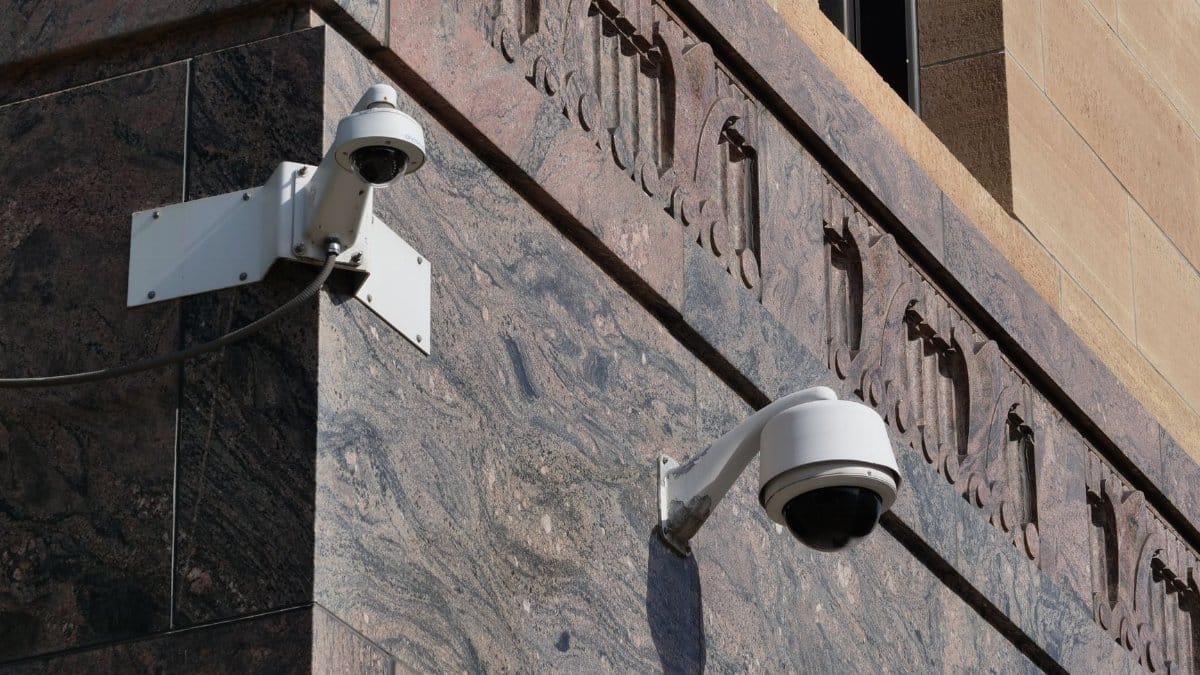
In the shadowed corridors of Minnesota state buildings, records have surfaced showing how authorities tracked union activities with methods reminiscent of earlier eras of government overreach. This pattern of labor union surveillance extended past any single case and stirred fresh debate over where oversight ends and intrusion begins. The developments have drawn parallels to past decades when labor organizers faced quiet monitoring that often chilled open organizing.
Historical Parallels Surface in Modern Monitoring
Accounts from the mid twentieth century reveal how federal agencies once kept detailed files on union leaders during periods of social unrest. Those efforts often blurred lines between legitimate inquiry and political pressure. Today similar questions arise as state level actions in Minnesota recall those old tactics without the same public scrutiny that once followed.
Scope of Records Expands Beyond Initial Cases

Documents indicate that monitoring reached into routine meetings and communications among workers in several sectors. The reach went further than the original focus on a few individuals under indictment. This broader collection of information has prompted unions to review their internal security practices and seek clearer guidelines on data handling.
Legal Frameworks Face Fresh Examination
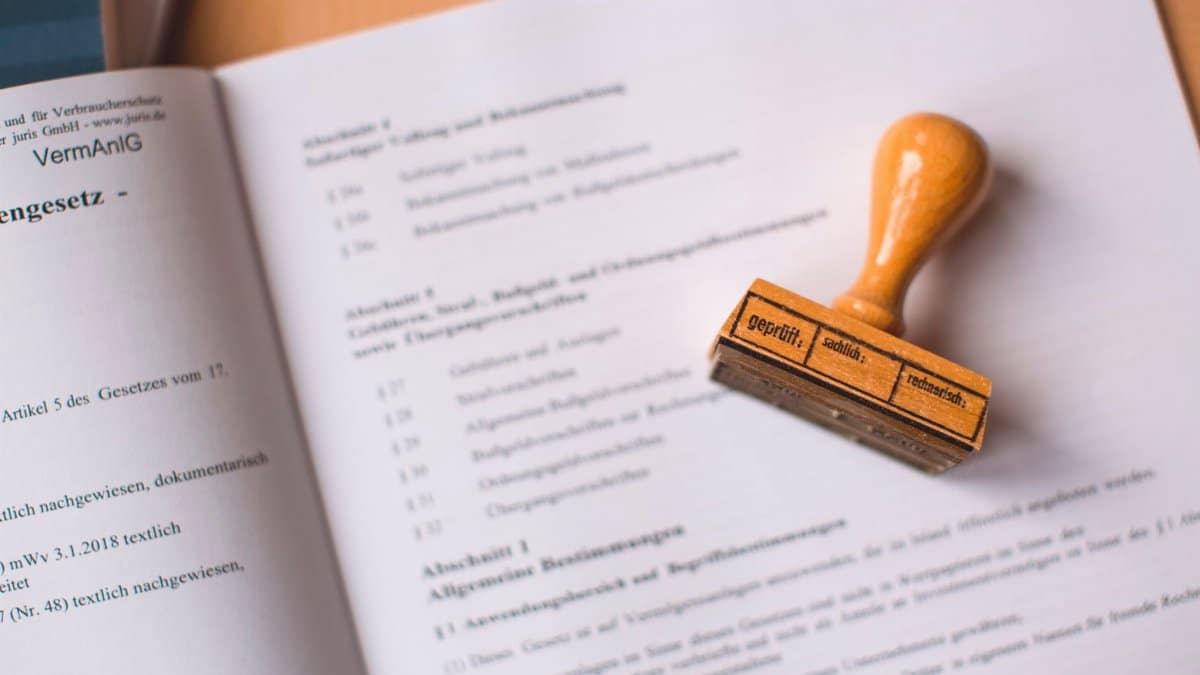
Courts have long balanced public safety needs against rights to association. In this instance judges and lawyers are revisiting statutes that allow data collection while protecting political speech. Arguments center on whether existing warrants provided enough limits or if new standards are required to prevent mission creep.
Impact on Worker Organizing Efforts

Union members describe a sense of caution in daily discussions after learning of the extent of record keeping. Some report reduced turnout at events once thought private. The atmosphere has slowed momentum in contract talks and recruitment drives across affected industries in the region.
Role of Technology in Data Collection

Digital tools allowed easier aggregation of public records and social media posts into comprehensive profiles. Officials maintain these methods stayed within approved channels yet critics note the volume of material gathered far exceeded earlier paper based approaches. This shift raises questions about oversight in an age of instant information sharing.
State Responses and Calls for Transparency
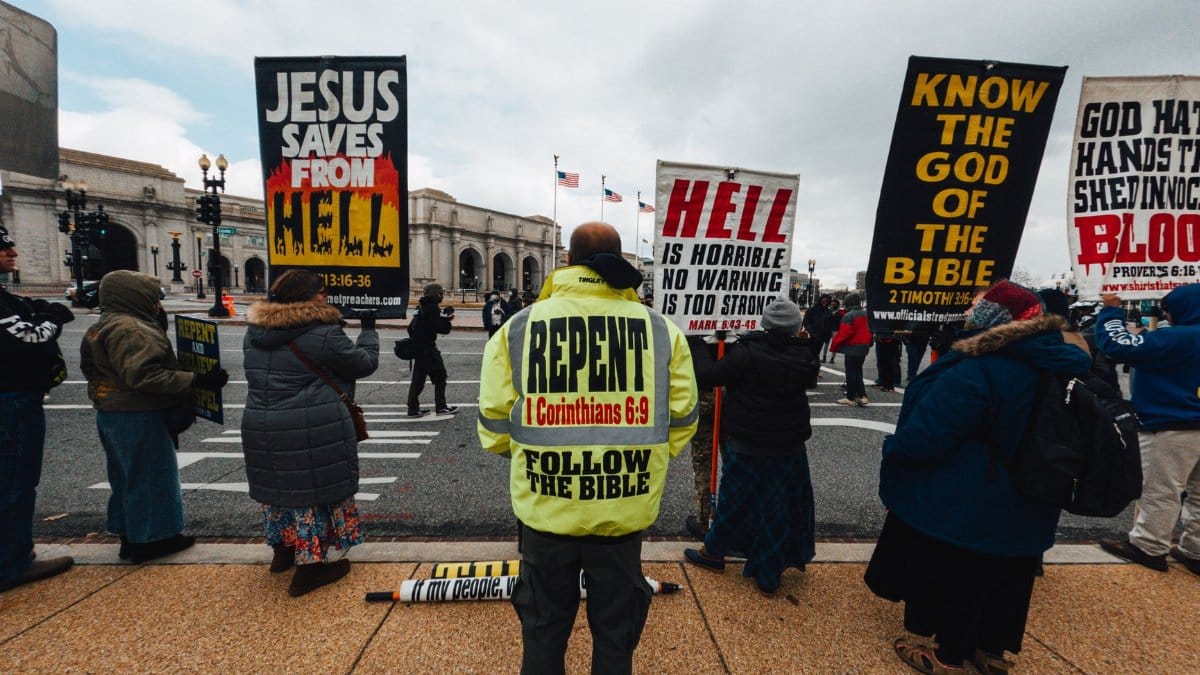
Minnesota officials have released portions of the relevant files following public records requests. Hearings are now underway to determine if additional disclosures or policy changes are needed. Lawmakers from both parties have expressed interest in drafting measures that clarify boundaries for future investigations involving organized labor.
Comparisons With Other States
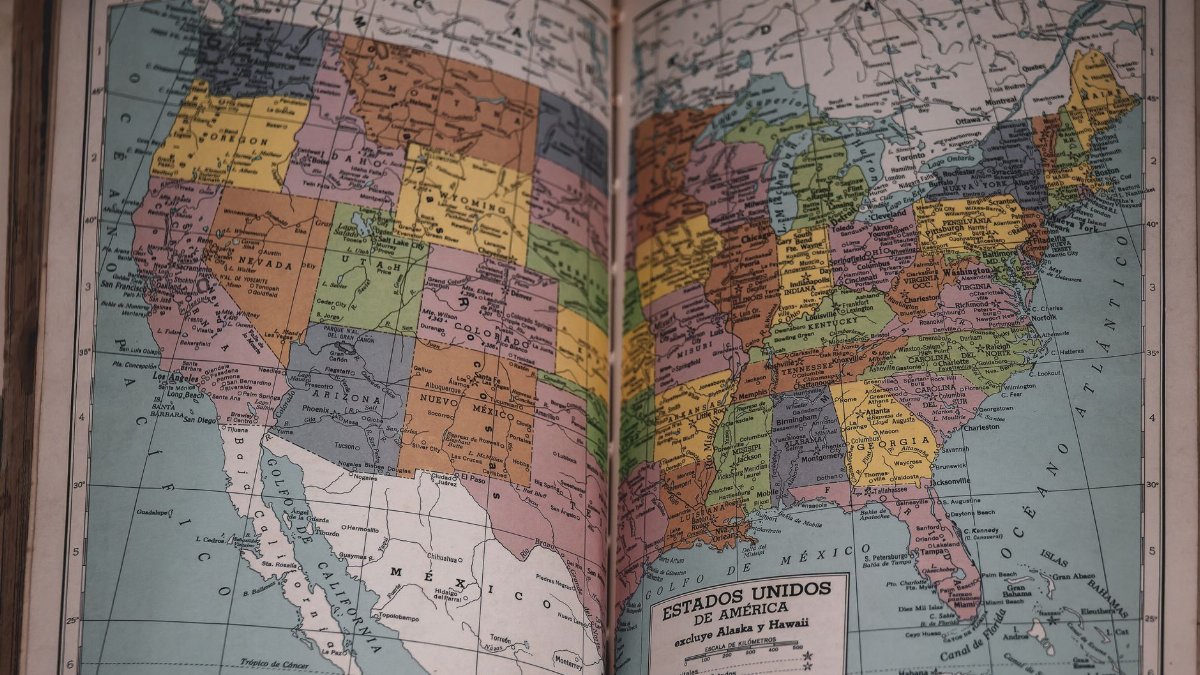
Similar patterns of attention to labor groups appear in a handful of other jurisdictions though none match the documented volume seen here. Analysts point to differences in state laws and political climates as factors shaping how far monitoring extends. These variations suggest a patchwork approach rather than uniform national practice.
Future Implications for Association Rights

Legal scholars warn that unchecked expansion of surveillance could discourage participation in civic groups of many kinds. The Minnesota episode serves as a test case for how courts might interpret protections in coming years. Outcomes here could influence strategies in other states facing comparable tensions between security and assembly freedoms.