
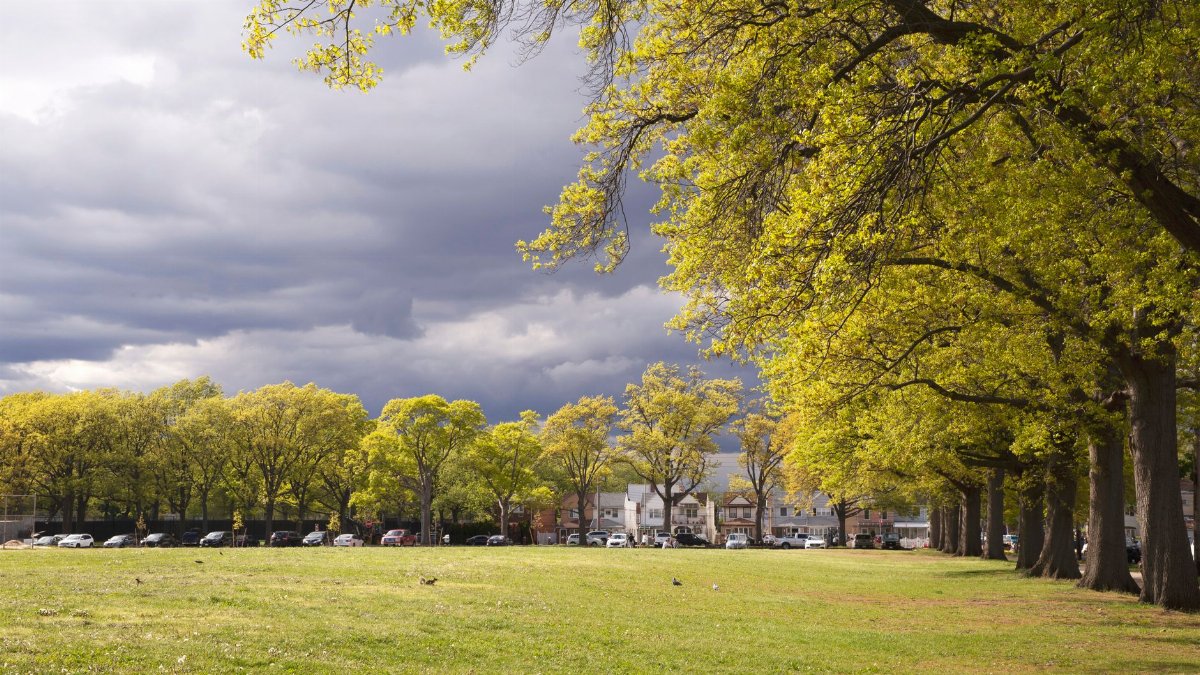
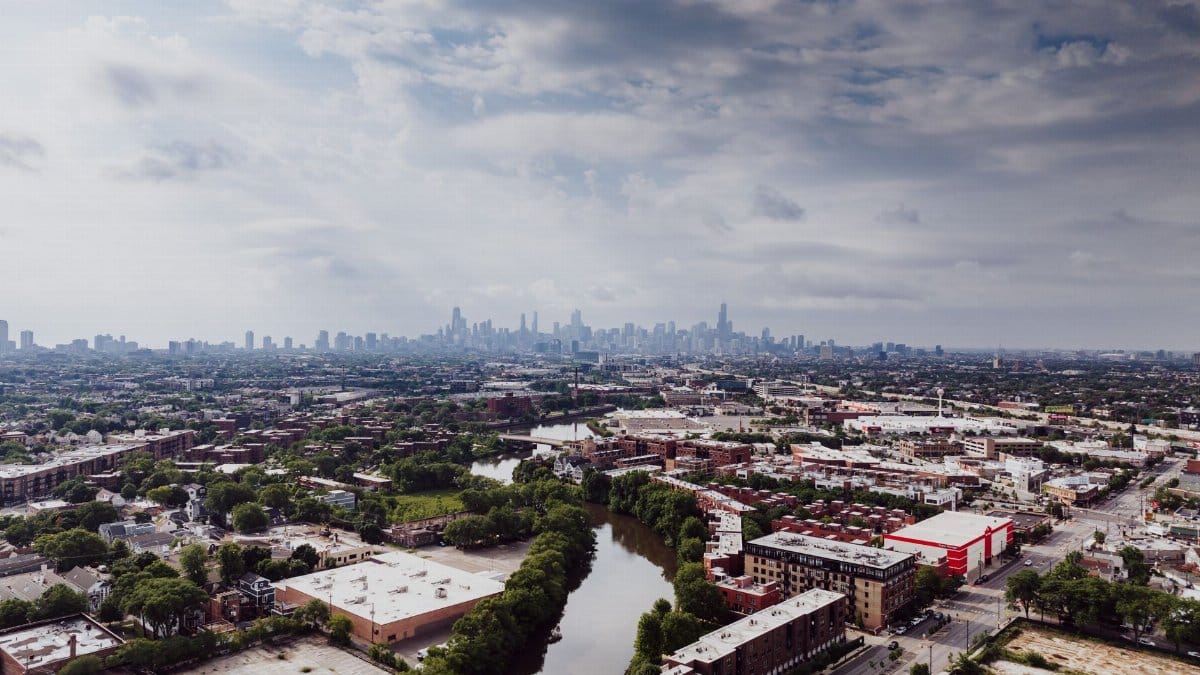
In neighborhoods across Chicago, residents have long valued the shade and shelter provided by established trees along busy streets and in local parks. A recent Northwestern University study now connects the disappearance of those mature trees to elevated death rates in certain areas, pointing to the protective effects of a robust urban forest against storms, heat and respiratory issues. The findings urge city leaders and homeowners alike to prioritize preservation of existing large specimens rather than focusing solely on new plantings. This approach could influence public health strategies in the years ahead while preserving the character of communities that depend on natural infrastructure.
Understanding the Northwestern Study Findings

The research examined canopy changes across dozens of Chicago neighborhoods over a decade and matched those patterns with mortality data from local health records. Areas that experienced sharper declines in large tree cover showed noticeably higher death rates, even after accounting for income levels and access to medical care. Researchers emphasized that mature trees deliver benefits at a scale younger replacements cannot match for many years.
How Mature Trees Shield Residents From Storms
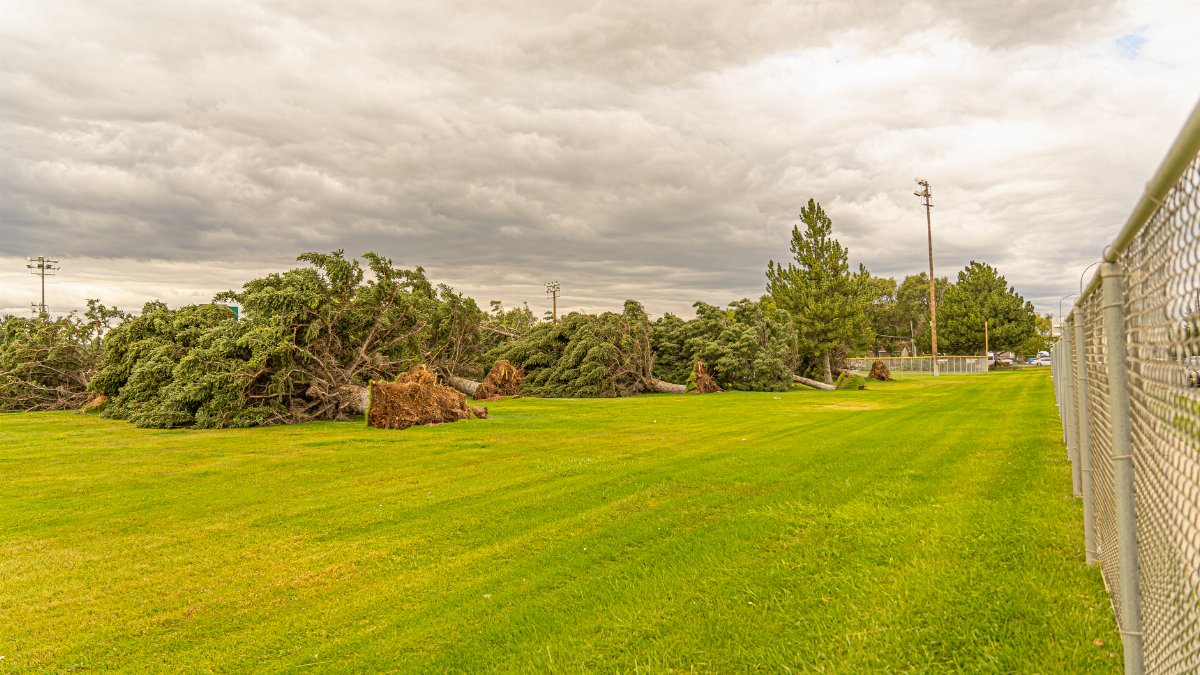
Large oaks, maples and elms intercept heavy rainfall and reduce wind speeds during severe weather events common in the Midwest. Their extensive root systems also stabilize soil, limiting flooding that can damage homes and infrastructure. When these trees are removed, neighborhoods face greater exposure to the full force of summer thunderstorms and winter winds.
The Connection to Respiratory Health and Heat

Beyond physical storm protection, the Chicago tree canopy filters pollutants and provides cooling shade that lowers ground temperatures by several degrees on hot days. Neighborhoods that retained more mature trees recorded fewer emergency visits for asthma and heat related conditions. The study suggests these daily advantages accumulate into measurable differences in overall longevity.
Challenges Posed by Disease and Pests
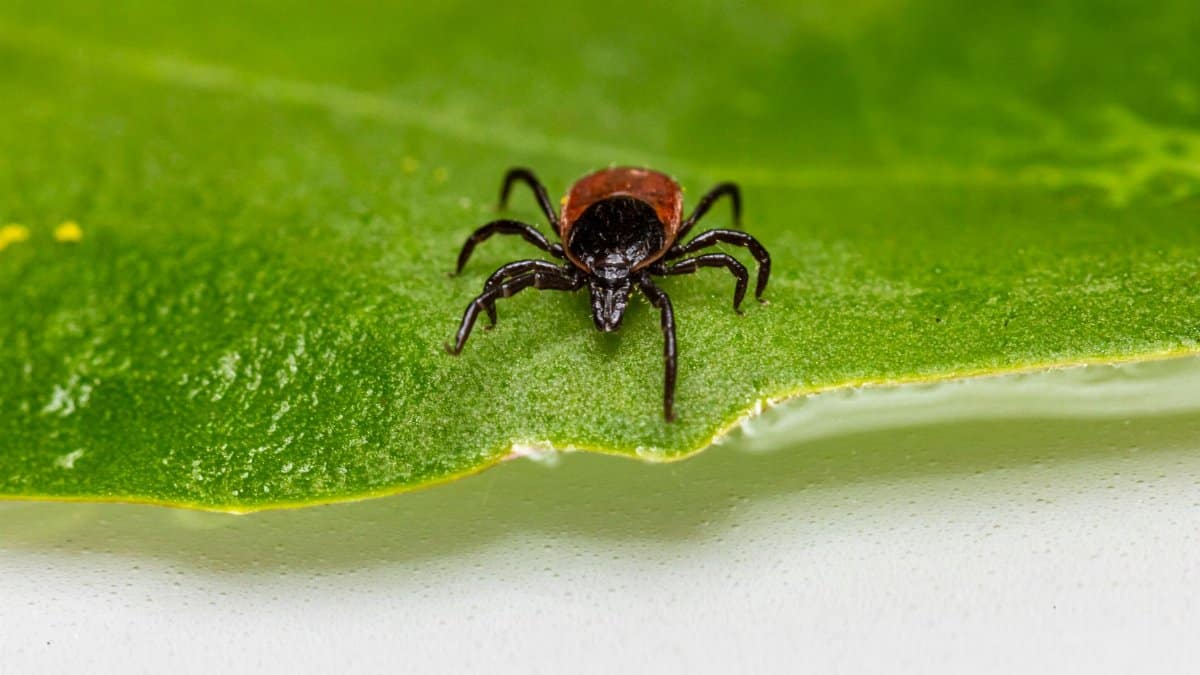
Dutch elm disease and emerald ash borer have already thinned sections of the urban forest in recent decades. City foresters note that older trees often face compounded stress from compacted soil, road salt and changing climate patterns. Without targeted treatment and monitoring programs, further losses appear likely in coming seasons.
Economic Case for Preservation Over Replacement

Planting new saplings carries lower upfront costs yet delivers limited returns for the first twenty years. In contrast, protecting a single mature tree can yield decades of stormwater management, energy savings on cooling bills and increased property values. Municipal budgets may achieve better returns by investing in maintenance crews and disease prevention.
Community Roles in Canopy Conservation
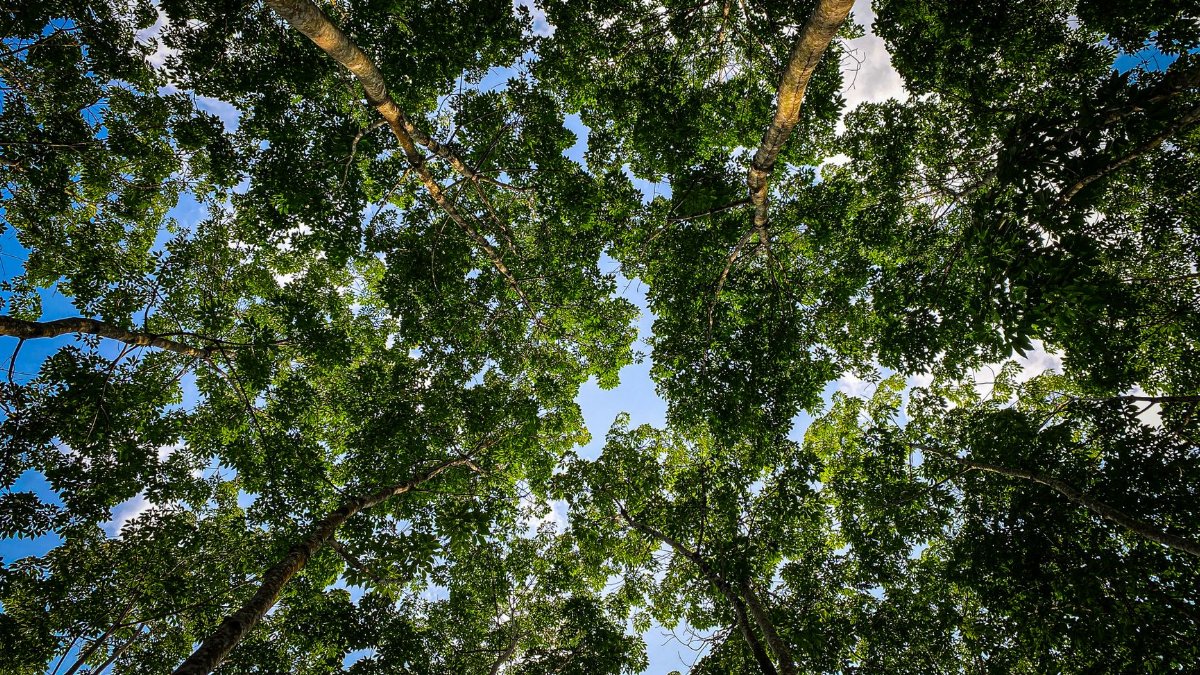
Local groups have begun mapping vulnerable trees and advocating for updated ordinances that restrict removal of healthy specimens on private land. Workshops teach residents how to spot early signs of infestation and arrange professional care. These grassroots efforts complement citywide initiatives and build awareness of the canopy as shared infrastructure.
Policy Recommendations From the Research Team

The Northwestern authors call for updated tree inventories that prioritize size and species diversity. They also suggest incentives for property owners who retain mature trees during redevelopment projects. Integration of canopy goals into broader climate resilience plans could align public health and environmental objectives.
Looking Ahead for Chicago Neighborhoods
Sustained attention to existing tree cover may help offset some health burdens tied to urban living. Continued monitoring will reveal whether protective measures slow the mortality trends identified in the study. For now, the evidence supports treating mature trees as critical assets rather than optional amenities.