
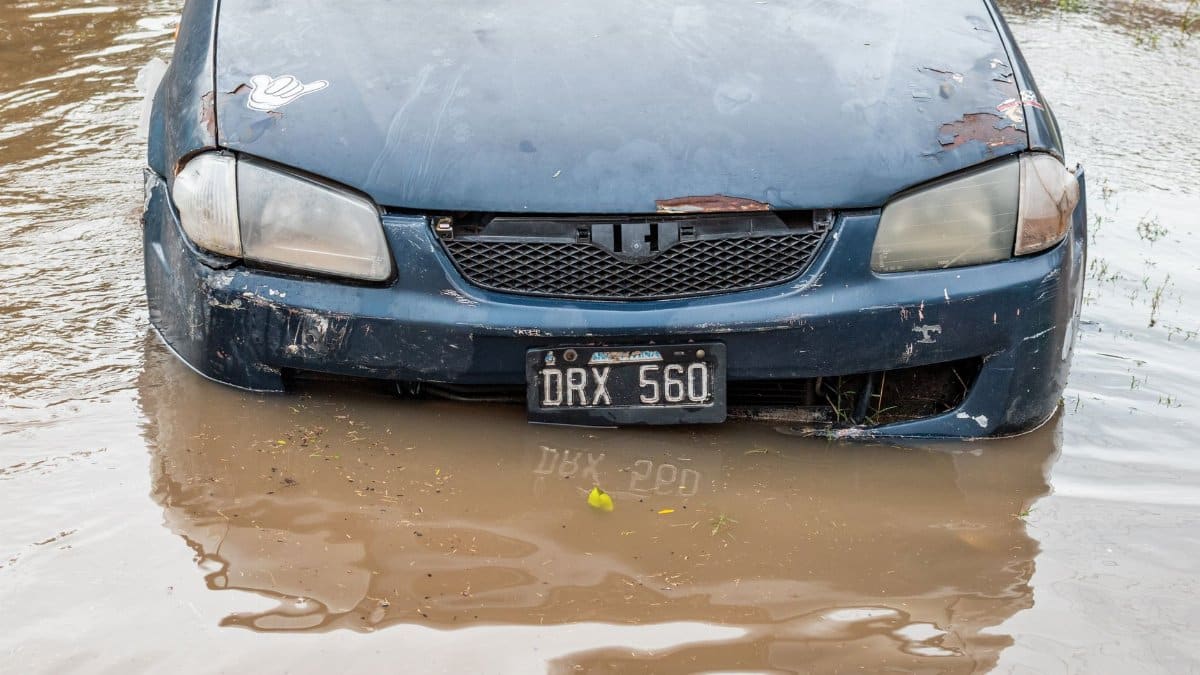
Residents across the Chesapeake Bay awoke to urgent alerts about incoming weather patterns that could bring heavy rain and strong winds to the area. Communities prepared for disruptions as forecasters highlighted risks of flash flooding in low lying neighborhoods. The Baltimore storms forecast has drawn close attention from local officials who urge residents to stay informed through official channels. This situation echoes past events where sudden downpours overwhelmed drainage systems and left streets impassable for hours.
Historical Patterns of Regional Weather Events
Baltimore has long faced seasonal challenges from intense summer systems that develop rapidly over the mid Atlantic region. Records show repeated instances of localized flooding that affect both urban cores and suburban zones. These episodes often trace back to moisture from the Atlantic interacting with frontal boundaries stalled near the coast. Preparation efforts have improved over decades yet vulnerabilities remain in older infrastructure built before modern standards.
Current National Weather Service Alerts

Officials issued watches covering several counties around the city with emphasis on potential for damaging gusts and ponding on roadways. The guidance stresses monitoring updates as conditions evolve through the evening hours. Emergency managers coordinate with utility crews to address power outages that frequently accompany such activity. Residents receive guidance via apps and local broadcasts to secure outdoor items and avoid travel if possible.
Impacts on Daily Life and Commutes

School schedules and public transit routes face adjustments when storms intensify during peak hours. Many commuters shift to remote options or delay departures to avoid slick surfaces and reduced visibility. Local businesses report dips in foot traffic as people opt to shelter at home. The ripple effects extend to deliveries and service calls that rely on clear roads.
Community Response and Preparedness Measures

Neighborhood associations organize supply drives for batteries and nonperishable items ahead of expected rainfall. Volunteers check on elderly neighbors who may need assistance moving to higher ground. Faith groups open halls as temporary gathering spots for those without reliable shelter. These grassroots actions complement official efforts and foster a sense of shared responsibility.
Role of Technology in Modern Forecasting

Advanced radar and satellite tools allow meteorologists to track storm cells with greater precision than in previous generations. Real time data feeds into models that predict rainfall totals and wind speeds for specific zip codes. Public access to these resources has grown through smartphone notifications and websites. Accuracy continues to rise yet uncertainties persist around exact timing and intensity.
Environmental Factors Influencing Storm Strength

Warm bay waters contribute additional energy to systems moving inland from the coast. Urban heat islands can further enhance updrafts that sustain heavy precipitation. Changes in land use over recent decades have altered runoff patterns in ways that amplify flooding risks. Scientists continue to study these interactions to refine long range outlooks.
Economic Costs Associated with Weather Disruptions

Repair bills for damaged roads and homes add up quickly after significant events. Insurance claims spike in affected areas prompting reviews of coverage limits. Small enterprises suffer lost revenue during closures that extend beyond a single day. Broader supply chains experience delays when ports and highways face temporary shutdowns.
Personal Reflections on Weather Resilience

Witnessing neighbors come together during past incidents reminds one of the value in collective vigilance. Simple steps like clearing gutters beforehand can reduce water intrusion into basements. Maintaining contact lists for family members proves useful when cell service falters. These habits build a foundation for weathering future episodes with less anxiety.
Future Outlook and Adaptation Strategies
Planners examine ways to upgrade stormwater management through green infrastructure projects. Expanded tree canopies and permeable surfaces help absorb excess moisture before it reaches streets. Funding for such initiatives often depends on state and federal support. Ongoing dialogue among residents and leaders shapes priorities for the coming years.
Broader Regional Connections

Similar patterns unfold in nearby cities where shared river basins carry floodwaters across boundaries. Coordination among jurisdictions strengthens overall response capabilities. Data sharing agreements facilitate quicker warnings that save lives and property. The interconnected nature of the landscape means actions in one area influence outcomes elsewhere.