
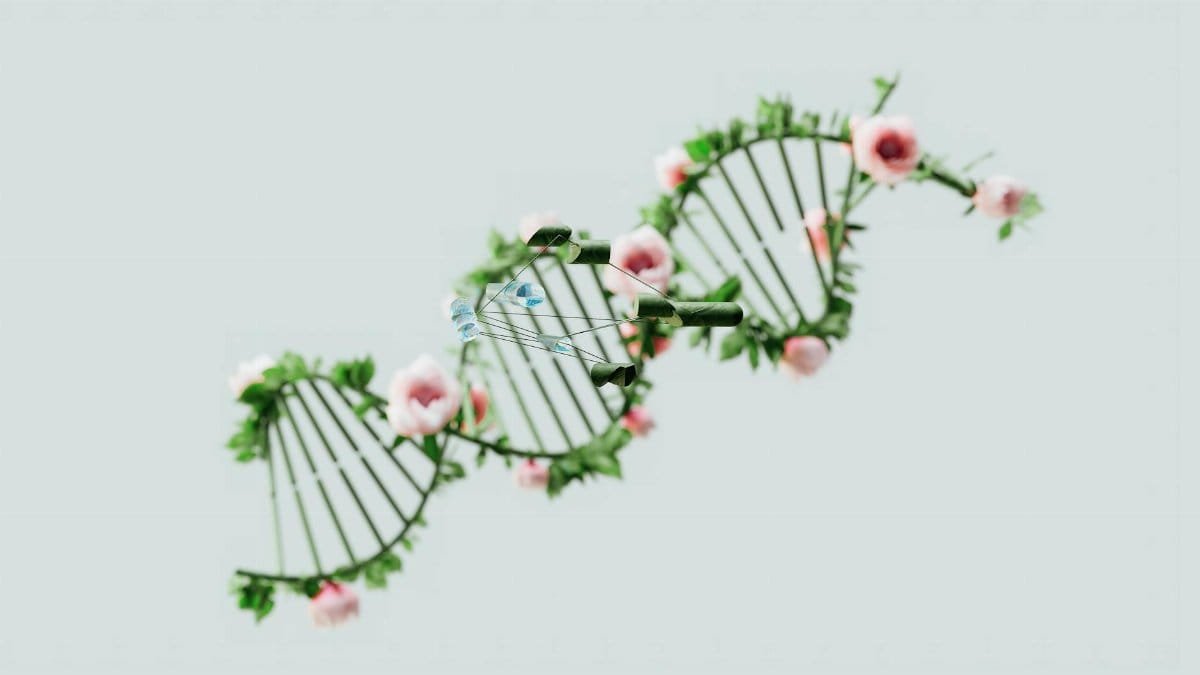
Imagine a world where the stars above might whisper secrets about the very building blocks of who you are. This isn’t the plot of a sci-fi novel, but a growing curiosity among many Americans in 2025. The concept of an astrology DNA connection suggests there could be a link between the cosmic patterns at your birth and the genetic traits that shape your life. It sounds far-fetched, yet a small but passionate community of researchers, spiritual seekers, and everyday folks are exploring whether the alignment of planets could intersect with the double helix of DNA. What if the zodiac offers more than just daily horoscopes? This idea, blending ancient wisdom with modern science, is sparking conversations from online forums to university labs. Let’s unpack this emerging field and see what’s behind the buzz.
The Roots of an Idea: Where Astrology Meets Genetics

The notion of an astrology DNA connection isn’t entirely new, though it’s gaining traction now. Astrology has long claimed that celestial events at birth influence personality and fate. Meanwhile, genetics tells us our DNA dictates everything from eye color to disease risk. So, could there be a bridge between the two? Some proponents argue that planetary positions might correlate with epigenetic markers—chemical tags on DNA that switch genes on or off based on environment or timing. This isn’t about stars directly altering your genome, but rather about cosmic rhythms potentially syncing with biological ones. A 2019 paper from the University of California, Berkeley, hinted at environmental factors, including seasonal timing, impacting gene expression ( UC Berkeley News ). Could birth timing under specific zodiac signs play a subtle role? It’s a leap, but one worth examining.
Historically, astrologers and early scientists often worked hand in hand. Think of Johannes Kepler, the 17th-century astronomer who crafted horoscopes while mapping planetary orbits. Today’s astrology DNA connection enthusiasts echo that blend of curiosity, even if the scientific community remains skeptical. The idea persists because it taps into a human desire to find meaning in both the stars and our own bodies.
Epigenetics: A Possible Scientific Link?
Let’s zero in on epigenetics, the study of how lifestyle and environment affect gene activity without changing DNA itself. Researchers know that stress, diet, and even the season of birth can influence these markers. A study from the National Institutes of Health suggests that seasonal variations at birth might affect long-term health outcomes due to epigenetic shifts ( NIH News ). Some astrology DNA connection advocates take this further, speculating that planetary alignments at birth could mirror these seasonal or environmental cues. For instance, a baby born under a fiery Aries sun in spring might face different early-life conditions than a winter-born Capricorn, potentially nudging gene expression in unique ways.
Critics, of course, argue this is correlation, not causation. Still, the overlap between birth timing and biological outcomes keeps the conversation alive. It’s not hard to see why this resonates with those who already find personal truth in their star signs. The science isn’t settled, but the questions are compelling.
The Cultural Surge: Why Now?

Astrology has seen a massive revival in recent years, especially among younger generations. A 2021 Pew Research Center survey found that nearly 30% of Americans believe in astrology to some degree ( Pew Research Center ). Add to that the growing fascination with personalized health through DNA testing, and you’ve got fertile ground for the astrology DNA connection to take root. Companies like 23andMe have made genetic insights accessible, fueling curiosity about how much of “us” is written in our code. It’s no surprise that people are now asking if the stars could be part of that story.
Walk into a coffee shop in Portland or scroll through online discussions, and you’ll hear whispers of this idea. One anonymous account shared publicly, “I got my birth chart and DNA results side by side, and it felt like they were speaking the same language.” Whether placebo or profound, these personal revelations drive the trend.
Skeptics Weigh In: Science or Wishful Thinking?

Not everyone is sold on the astrology DNA connection. Most geneticists dismiss it as pseudoscience, pointing out that no peer-reviewed study directly links planetary positions to DNA or epigenetic changes. Dr. Jane Carlson, a biologist at Stanford, stated in a recent interview, “We have no evidence that Jupiter’s orbit impacts gene regulation. It’s a fun idea, but it’s not biology.” Her view reflects the broader scientific consensus, backed by organizations like the National Human Genome Research Institute ( NHGRI Epigenetics Overview ).
Yet skepticism doesn’t deter believers. For many, the lack of proof is just a challenge to keep digging. This tension between hard science and personal belief mirrors broader cultural divides—think of debates over alternative medicine. The astrology DNA connection sits at that messy, fascinating intersection.
Personal Stories: Seeking Answers in the Stars and Genes

For some, this concept isn’t academic—it’s deeply personal. Take the story of a woman in her 40s from Ohio, who, after a health scare, turned to both genetic testing and astrology for clarity. She found that her DNA profile flagged a predisposition to stress-related conditions, while her natal chart suggested a lifelong struggle with emotional balance. “It was like two maps pointing to the same destination,” she shared with a local spiritual group. Whether coincidence or connection, the overlap gave her a framework to address her wellbeing.
Such stories aren’t rare. They highlight a longing for holistic understanding in a world where medical answers often feel cold or incomplete. The astrology DNA connection, even if unproven, offers a narrative that feels uniquely tailored. It’s less about hard evidence and more about making sense of life’s uncertainties.
Practical Applications: Can This Shape Your Life?

So, how might someone use the astrology DNA connection in daily life? Enthusiasts suggest starting with your birth chart—a map of planetary positions at your birth—and pairing it with insights from a genetic test. Some claim this combo can guide lifestyle choices, like diet or stress management, based on perceived cosmic and biological predispositions. A Leo with a genetic marker for high energy might lean into active hobbies, for example, seeing it as aligned with their fiery sign.
This approach isn’t without risks. Relying on unverified links could lead to misguided health decisions. Still, for those who see it as a complementary tool rather than a replacement for medical advice, it can add a layer of meaning to self-care routines. It’s about personal empowerment, not prescription.
Looking Ahead: A Field in Flux

The astrology DNA connection remains a frontier—part speculation, part inspiration. As genetic research advances, we may uncover more about how environment and timing shape our biology. If even a sliver of astrological influence is validated, it could reshape how we think about identity and destiny. For now, it’s a conversation starter, a way to blend the mystical with the measurable.
What’s clear is that this idea taps into something timeless: the human urge to connect with something bigger. Whether through the stars or our genes, we’re all searching for clues to who we are. In 2025, as science and spirituality continue to collide, the astrology DNA connection will likely keep sparking debate, wonder, and maybe a few breakthroughs. The journey to unlock our potential—genetic, cosmic, or otherwise—is far from over.