
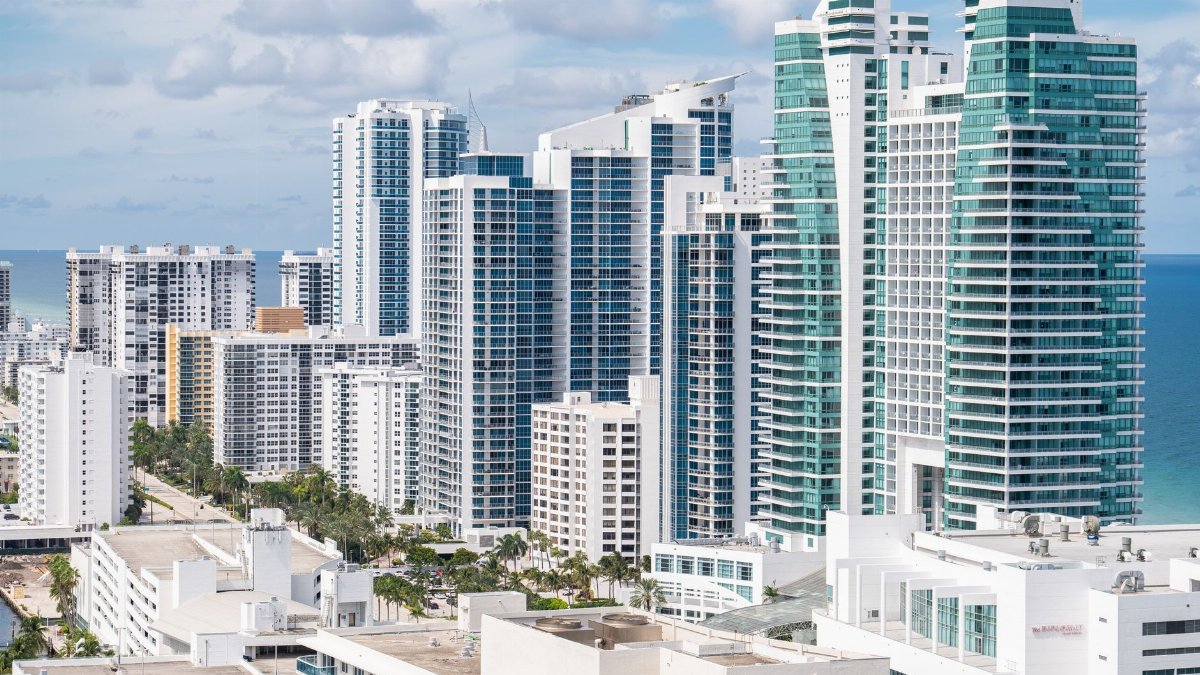
As temperatures soared across the region residents braced for another intense day with the South Florida heat advisory serving as a key alert from forecasters about conditions that could strain daily life for many.
Regional Areas Under Warning
Counties including Miami Dade and Broward faced the brunt of the alert with officials noting heat index values that might reach one hundred ten degrees by afternoon. People in these spots were urged to limit time outside and check on neighbors who might lack air conditioning. The situation reflected broader patterns where urban zones retain more warmth overnight leading to less relief as evening sets in.
Expected Temperature Readings
Forecasters projected highs well above normal for this time of year with humidity adding to the discomfort. Morning starts offered brief respite yet by late morning the air grew heavy and oppressive. Such readings align with seasonal trends but the added moisture from nearby waters intensified the overall effect making simple tasks feel more taxing.
Health Concerns for Vulnerable Groups

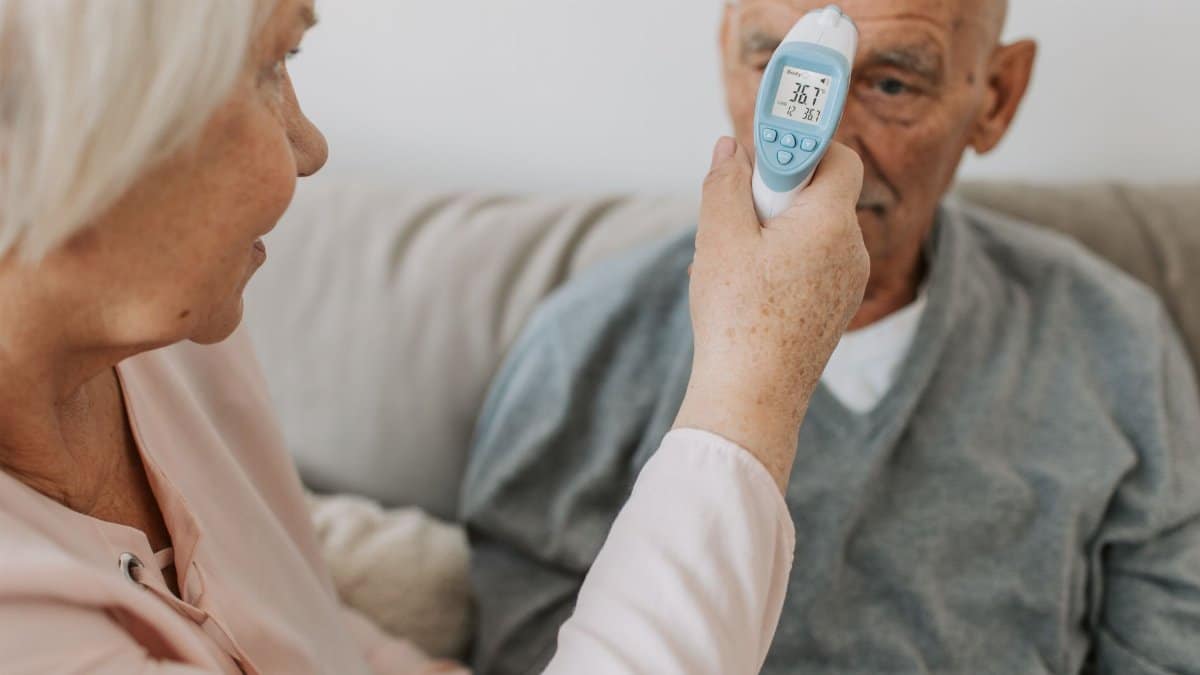
Older adults and those with existing medical conditions stood out as particularly at risk during this period. Symptoms like dizziness or rapid heartbeat could emerge quickly if hydration slipped. Local health departments recommended frequent water intake and breaks in cool spaces to prevent escalation into more serious problems. Families were encouraged to plan errands for cooler hours when possible.
Advice for Staying Safe During Peak Hours
Experts suggested wearing loose light clothing and seeking shade whenever feasible. Pets also needed extra care with shorter walks and plenty of water available. Public cooling centers opened in several communities to provide relief for those without home options. Planning ahead helped many avoid the worst of the midday surge.
Comparison to Previous Heat Events

This advisory echoed others from recent summers though the duration and peak values drew attention from long time observers. Records show an uptick in such alerts over the past decade pointing to shifting conditions. Residents recalled past instances where similar warnings prompted community gatherings for shared resources like fans and bottled water.
Effects on Local Wildlife and Environment
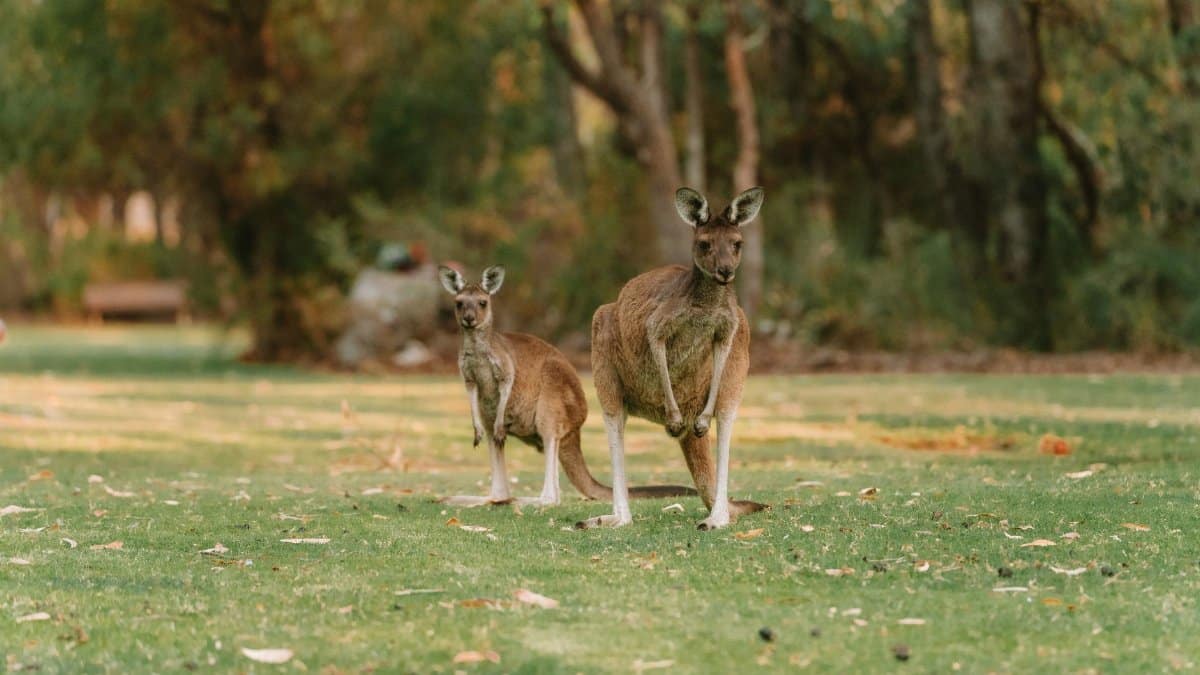
Animals in parks and preserves showed signs of stress seeking water sources earlier than usual. Plant life in gardens wilted faster under the direct sun requiring additional care from owners. These changes highlighted how prolonged warmth influences ecosystems in subtle yet noticeable ways across the landscape.
Community Responses and Preparations

Neighborhood groups coordinated to deliver supplies to isolated individuals while schools adjusted outdoor recess times. Businesses promoted indoor promotions to draw crowds away from the streets. Such collective efforts underscored a practical approach to managing the alert without panic.
Long Term Climate Patterns in the Area

Observations from weather stations indicate warmer averages that may lead to more frequent advisories in coming years. Discussions among scientists focus on adaptation strategies like improved green spaces to ease urban heat buildup. This ongoing trend invites thoughtful planning at both individual and municipal levels.