
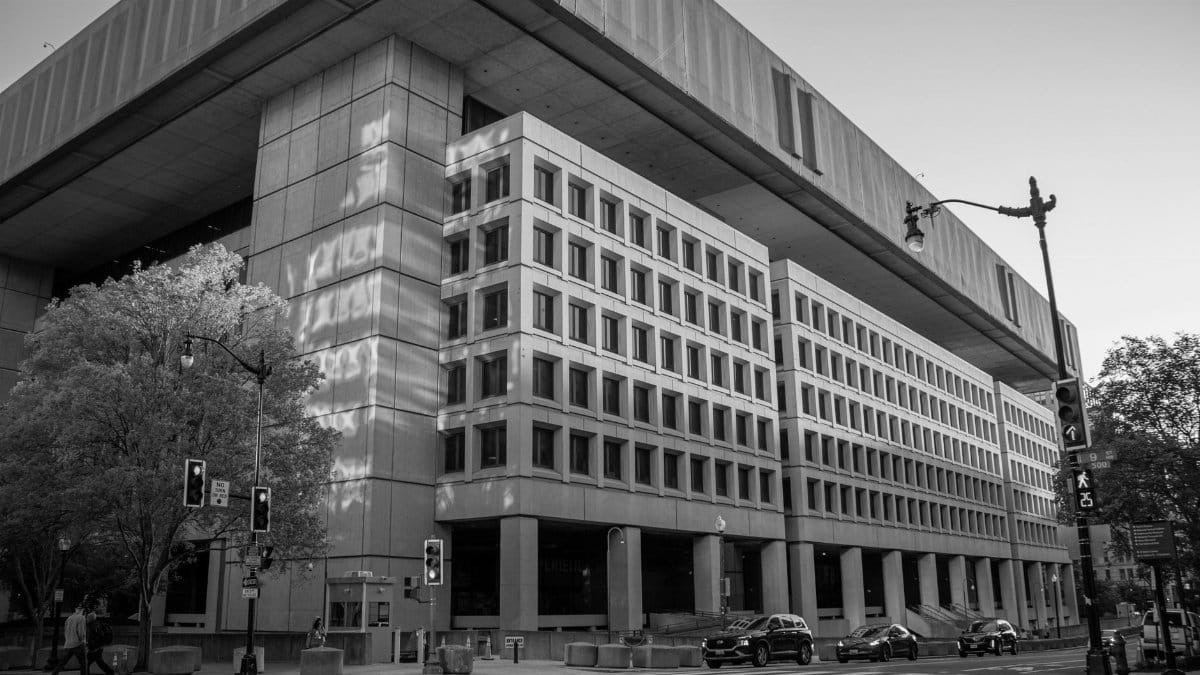
In the corridors of power in Olympia a quiet migration has begun among state workers who once viewed their workplace as a symbol of stability and service. Reports of visible cracks and questions about earthquake readiness have sparked unease leading many to seek transfers or remote options rather than remain in a facility now viewed as risky. This shift highlights WSDOT building concerns that extend beyond routine maintenance into deeper questions of safety and trust in government infrastructure.
Roots of the Olympia Facility

The structure dates back decades when seismic standards differed greatly from current expectations. Built to serve as the central hub for transportation planning across the state it has housed engineers planners and administrators who coordinate roads bridges and public transit projects. Over time expansions and renovations occurred yet the core framework reflects an earlier era of construction practices.
Emergence of Visible Cracks

Staff members first noticed fissures in walls and ceilings during routine inspections last year. These observations prompted internal reviews that revealed patterns consistent with settling and possible stress from regional seismic activity. Employees described the discoveries as unsettling especially given the building role in overseeing critical infrastructure for the entire region.
Staff Relocations and Choices

Departments began approving transfers to satellite offices or hybrid arrangements to ease worries. Some workers cited family considerations while others pointed to professional needs for reliable workspaces. The moves have strained coordination on ongoing projects yet leadership has supported flexibility to retain talent amid the uncertainty.
Seismic Standards and Comparisons

Modern codes demand far higher resilience against ground movement than older designs provided. Engineers note that upgrades could involve extensive retrofitting though costs and disruptions remain significant factors. Other state agencies have faced similar evaluations leading to varied outcomes depending on funding and location priorities.
Public Safety Implications

Residents depend on the agency for safe travel networks and emergency responses during natural events. Any perception of instability at headquarters could affect public confidence in broader transportation decisions. Officials emphasize ongoing monitoring and contingency plans to maintain service levels without interruption.
Budget Pressures and Alternatives

Allocating resources for either repairs or a new site involves tradeoffs with other statewide needs such as road improvements and transit expansions. Lawmakers have requested detailed assessments to weigh options including leasing additional space or accelerating long term facility planning.
Employee Perspectives on the Matter

Interviews reveal a mix of loyalty to the mission alongside genuine apprehension about daily conditions. Some describe the situation as a wake up call for better preparedness while others focus on practical steps to protect health and productivity. Union representatives have advocated for transparent communication throughout the process.
Future Outlook for the Agency

Resolving WSDOT building concerns will require coordinated efforts among technical experts policymakers and the workforce itself. Potential paths include targeted reinforcements or gradual decentralization to more secure locations. The outcome may set precedents for how similar facilities address evolving risks in an active seismic zone.
Broader Lessons on Infrastructure

Events at this headquarters reflect nationwide conversations about aging public buildings and their fitness for purpose. Investing in resilience now could prevent larger issues later though the path demands sustained attention and resources. WSDOT building concerns thus serve as a reminder that foundational structures underpin effective governance at every level.