
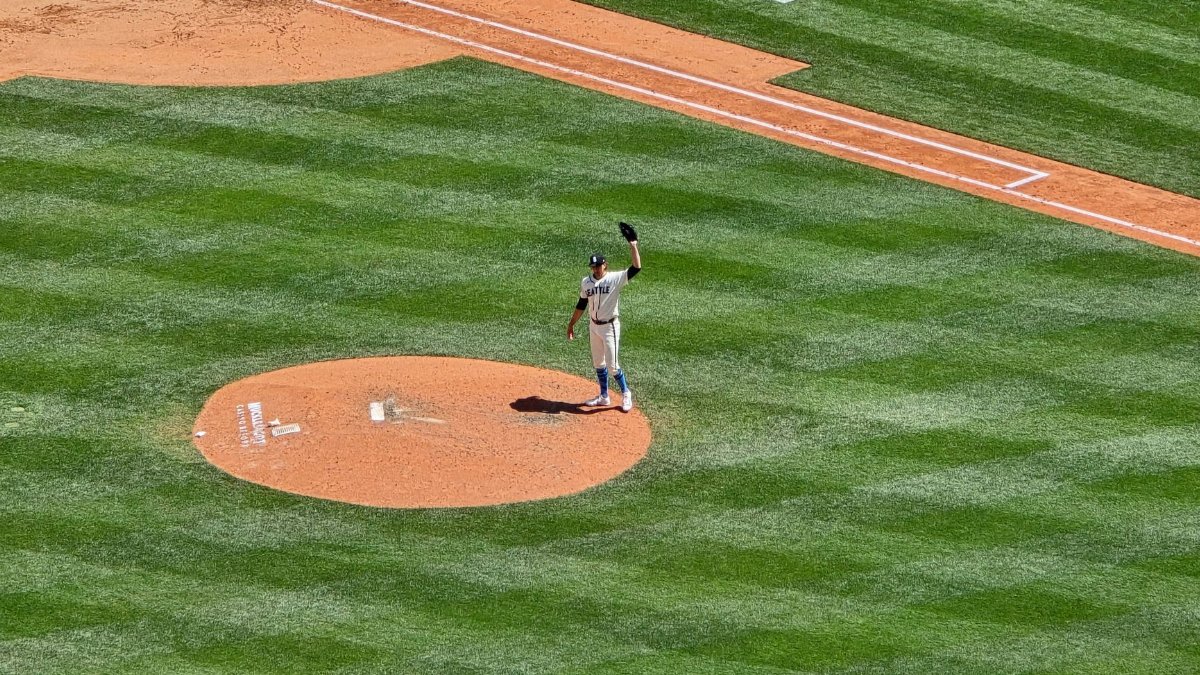
The sudden loss of a baseball figure whose name became synonymous with medical innovation leaves many pondering the intersections of athletic endurance and human frailty. Tommy John death at age 83 in Sarasota Florida closes a chapter that began on the mound and extended into operating rooms worldwide. His story resonates not merely through statistics but through the quiet transformations he inspired in how careers once cut short found new paths forward. Observers note that such passings invite contemplation on purpose and the marks left on communities far beyond stadium lights.
Roots in a Small Town Setting

Tommy John grew up amid the fields of Indiana where baseball offered an escape and a discipline. Local coaches recognized early talent that combined control with resilience. Those formative years shaped a mindset oriented toward steady improvement rather than flash. Family support reinforced values of persistence that carried into professional ranks. Many who knew him then recall a quiet determination that avoided shortcuts yet embraced calculated risks when opportunities arose.
Arrival in Major League Baseball

Debuts with the Cleveland Indians marked the start of a journey across several franchises. Tommy John adapted quickly to higher levels of competition through precise pitching mechanics. Teammates appreciated his focus during long seasons marked by travel and variable conditions. Scouts praised an ability to read hitters and adjust mid game without relying on overpowering velocity alone. This approach sustained him through initial contracts and trades that tested adaptability.
The Pivotal Elbow Procedure
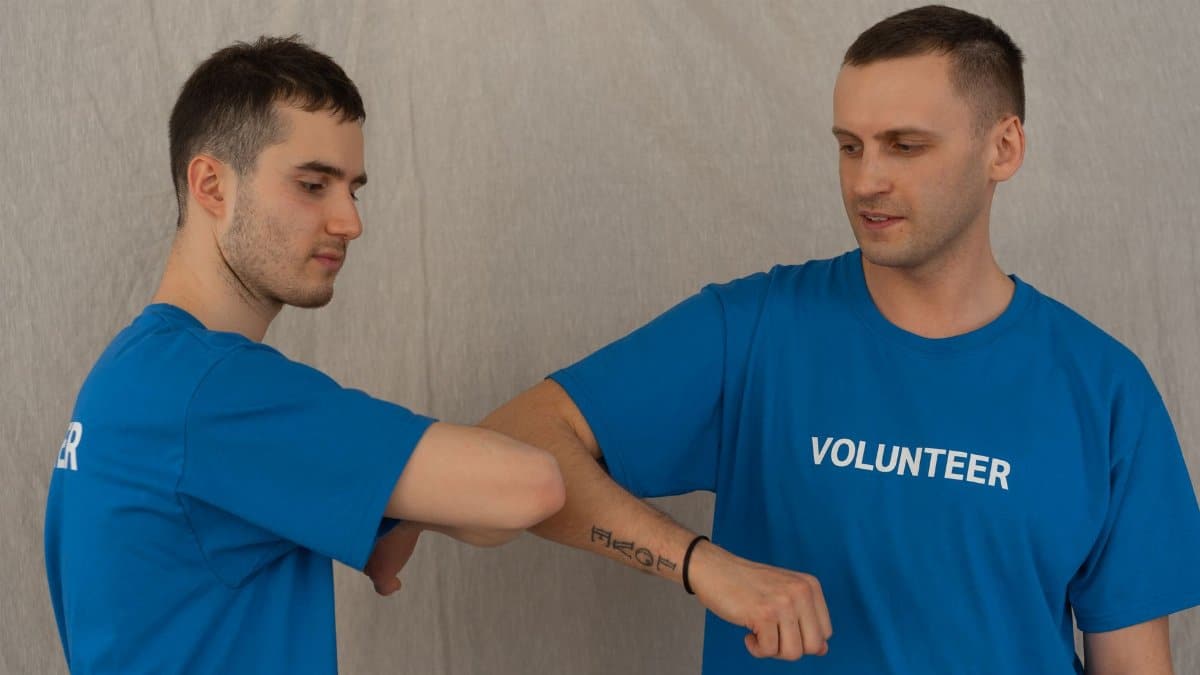
In the mid nineteen seventies a groundbreaking operation on his left arm introduced a technique involving tendon replacement. Recovery demanded months of structured rehabilitation that tested both physical limits and mental resolve. The success of that intervention opened doors for countless others facing similar setbacks. Surgeons refined the method over decades while crediting the original case as a catalyst for broader acceptance in sports medicine circles.
Return to the Pitching Rotation
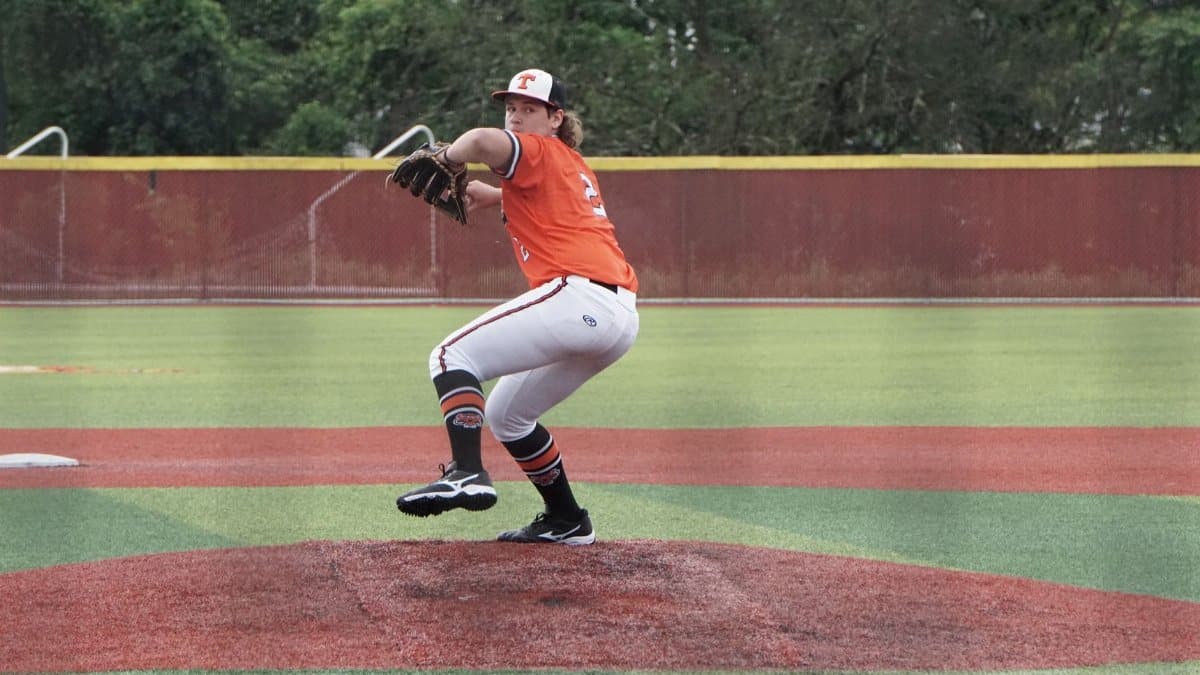
Post surgery appearances with the New York Yankees demonstrated renewed effectiveness on the field. Tommy John logged additional wins that defied typical expectations for pitchers of his age bracket. Managers valued the veteran presence that steadied younger staff members during tight contests. Crowds responded with appreciation for the perseverance displayed each time he took the mound. Those seasons underscored a career defined by longevity rather than peak dominance.
Broader Influence on Athlete Care
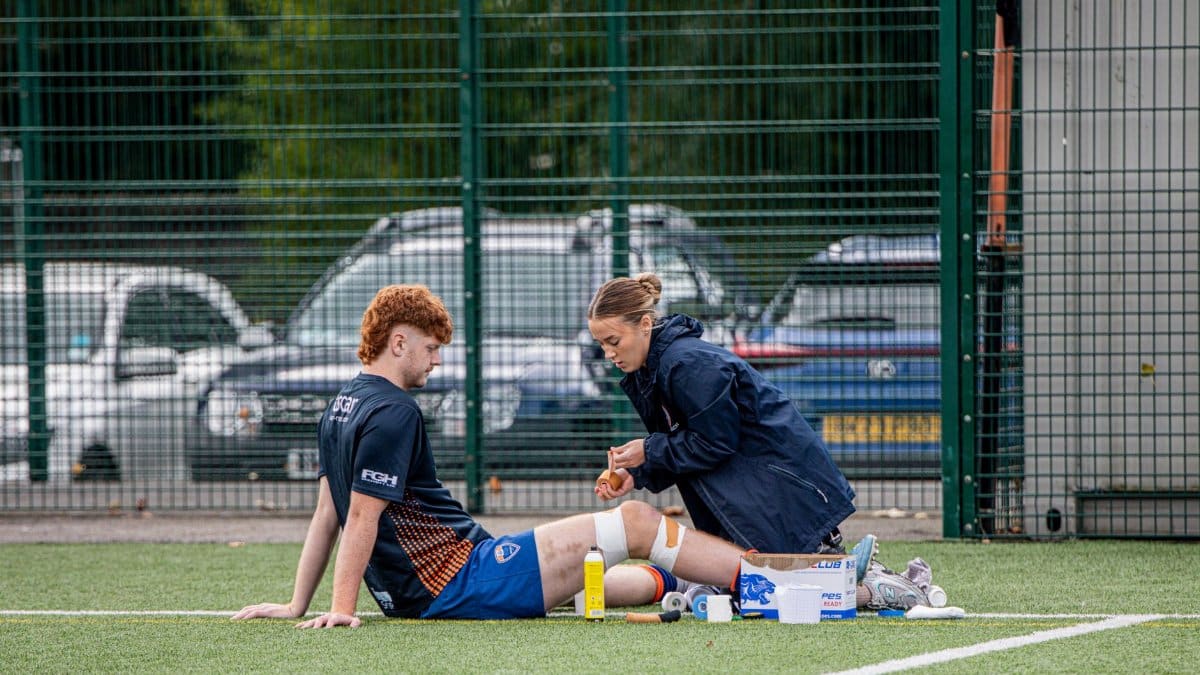
Medical professionals began referencing the procedure in discussions about preventive strategies and long term joint health. Training regimens evolved to incorporate elements aimed at reducing stress on elbows and shoulders. Organizations invested in specialized staff to monitor player workloads more closely. The ripple effects extended into amateur levels where parents and coaches gained awareness of injury patterns once overlooked. Such shifts reflect a cultural change toward viewing recovery as integral to sustained participation.
Reflections on Career Longevity

Over twenty six seasons the pitcher accumulated victories that placed him among historical leaders in his position. Tommy John navigated roster changes and strategic shifts across multiple eras of the game. Personal routines emphasized preparation that balanced rest with targeted conditioning. Former opponents often spoke of respect earned through consistent performance rather than dramatic flair. These elements combined to create a model for aspiring players focused on durability.
Life After Active Playing Days

Post retirement activities included coaching roles and public appearances that shared insights from decades on the diamond. Tommy John engaged with foundations supporting youth sports access in underserved areas. Speaking engagements touched on themes of resilience drawn from both successes and setbacks. Community involvement highlighted a commitment to giving back that aligned with earlier values instilled in small town life. Such efforts kept his presence relevant in conversations about baseball heritage.
Enduring Questions of Legacy

Discussions around Tommy John death often turn to the balance between individual achievement and collective benefit through medical advancement. Families of athletes express gratitude for options that preserve dreams once considered lost. Historians examine how one case influenced protocols still taught in training programs today. The narrative invites consideration of how personal trials can yield wider applications that outlast any single career. In quiet moments many recognize the human elements that connect sports figures to everyday perseverance.