
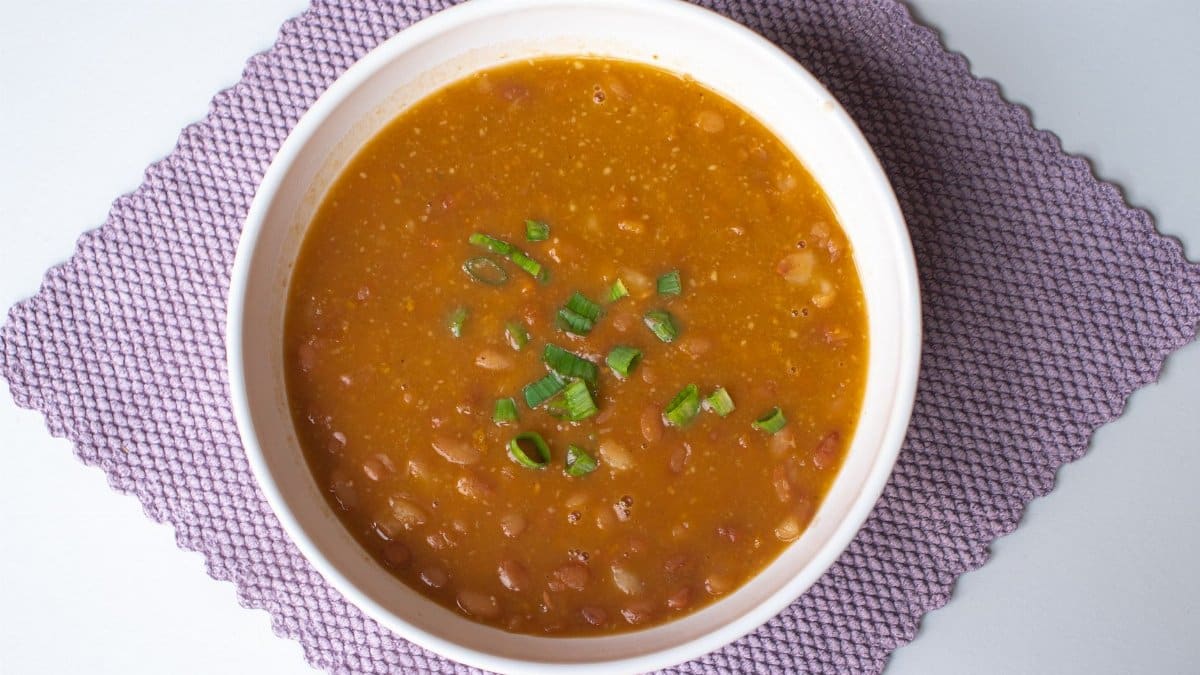
A family preparing dinner in their kitchen expects the ingredients they purchase to be free from unexpected issues. Yet a recent development from a Maryland producer has drawn attention to one particular item found on Walmart shelves. Shoppers in numerous areas now face questions about a product they may have already bought. The soup recall Walmart highlights ongoing challenges in ensuring consistent standards throughout the food supply chain.
Origins of the Maryland Company

The producer operates from Savage Maryland and has built its reputation on creating soup products for retail distribution. Over time the firm expanded its reach by partnering with major chains to place items in stores nationwide. This growth brought both opportunities and responsibilities regarding quality control measures at every stage of preparation and packaging.
Product Specifics in the Recall
The item in question is a Marketside Tomato Bisque Soup Kit designed for easy home preparation. It includes components meant to deliver a convenient meal option for busy households. Details released indicate that certain batches may not meet established safety criteria prompting the current action by the company.
Affected Regions Across the Nation

Distribution covered twenty nine states with products sent to various Walmart locations. Consumers in those areas are advised to check any purchases made in recent weeks. The scope shows how interconnected retail networks can spread a single production issue across wide geographic zones.
Reasons for the Action Taken

Internal reviews revealed potential concerns that led officials to initiate the recall process without delay. Such steps follow established protocols aimed at protecting public wellbeing through prompt communication. The decision reflects standard practices when questions arise about items already in circulation.
Advice for Consumers

Individuals who bought the product should avoid using it and return it to the place of purchase for a full refund. Checking household pantries for matching labels forms an important first step. Contacting local store management can provide further guidance on next actions if needed.
Company Statement and Response
Representatives from the Savage based firm expressed commitment to addressing the situation thoroughly. They emphasized cooperation with regulatory bodies to resolve matters quickly and restore confidence. Updates will be shared as investigations continue into the root causes involved.
Walmart Involvement and Store Actions

The retailer has removed remaining stock from shelves in affected locations to prevent further distribution. Staff members stand ready to assist customers with returns and inquiries about the recall. This response aligns with typical procedures for handling supplier notifications in large chains.
Broader Implications for Food Safety
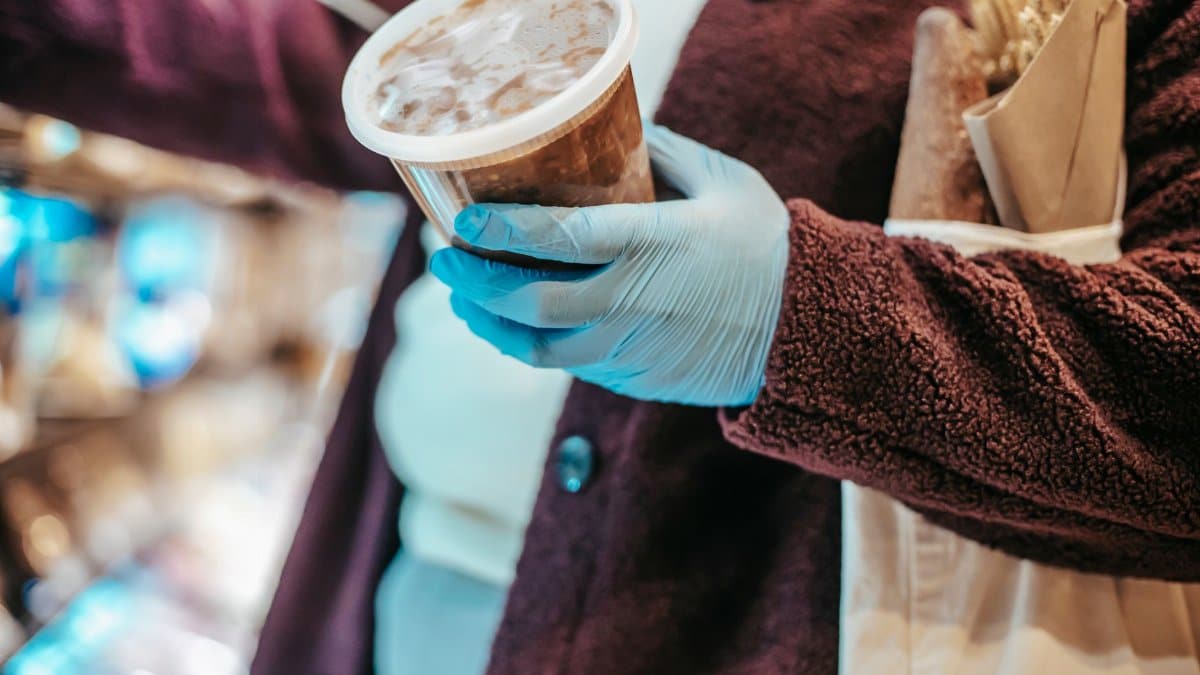
Events like this one spark conversations about production oversight in the prepared food sector. They underscore the value of vigilance from both manufacturers and retailers in maintaining trust with everyday buyers. Continued attention to these areas supports safer options for communities everywhere.