
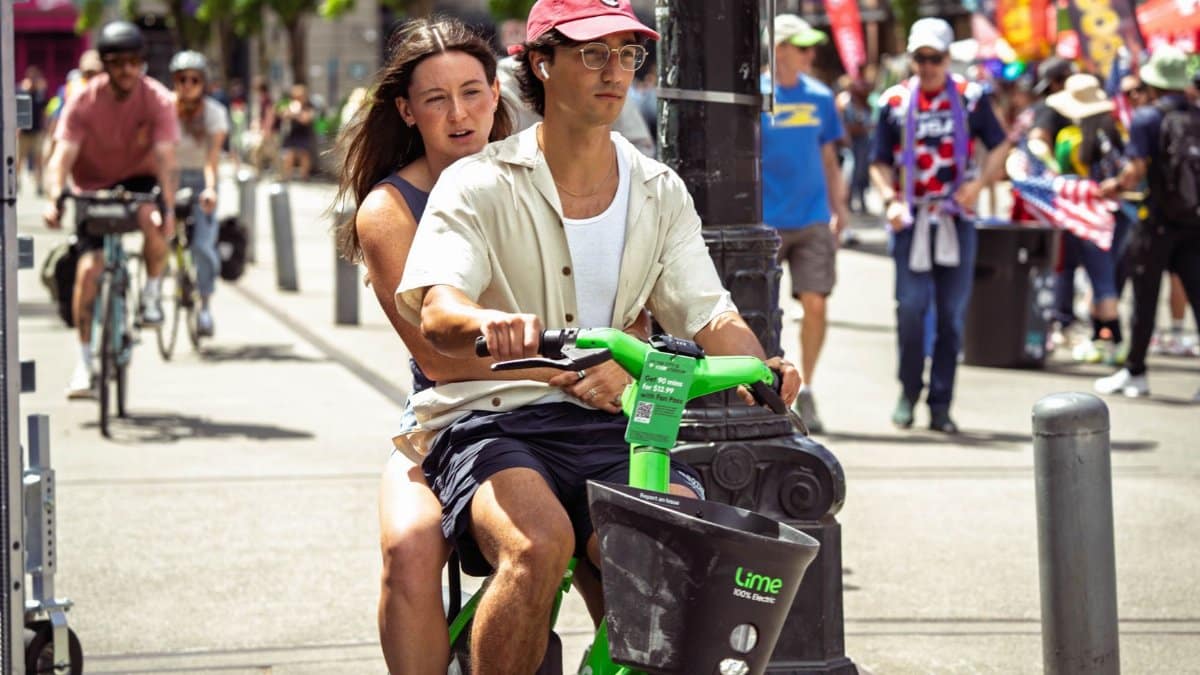
In the bustling streets of Minneapolis a sudden wave of electric scooters created gridlock and drew sharp attention from officials and residents alike. Riders gathered in large numbers for coordinated meetups that disrupted traffic flow near key downtown corridors and even spilled onto major roadways like Interstate 35W. Lime the scooter company responded swiftly by deactivating devices and imposing restrictions on those involved. This episode brings renewed focus to Lime scooter bans as communities weigh the benefits of convenient short trips against the need for order and accountability in public spaces.
The Minneapolis Incident Unfolds
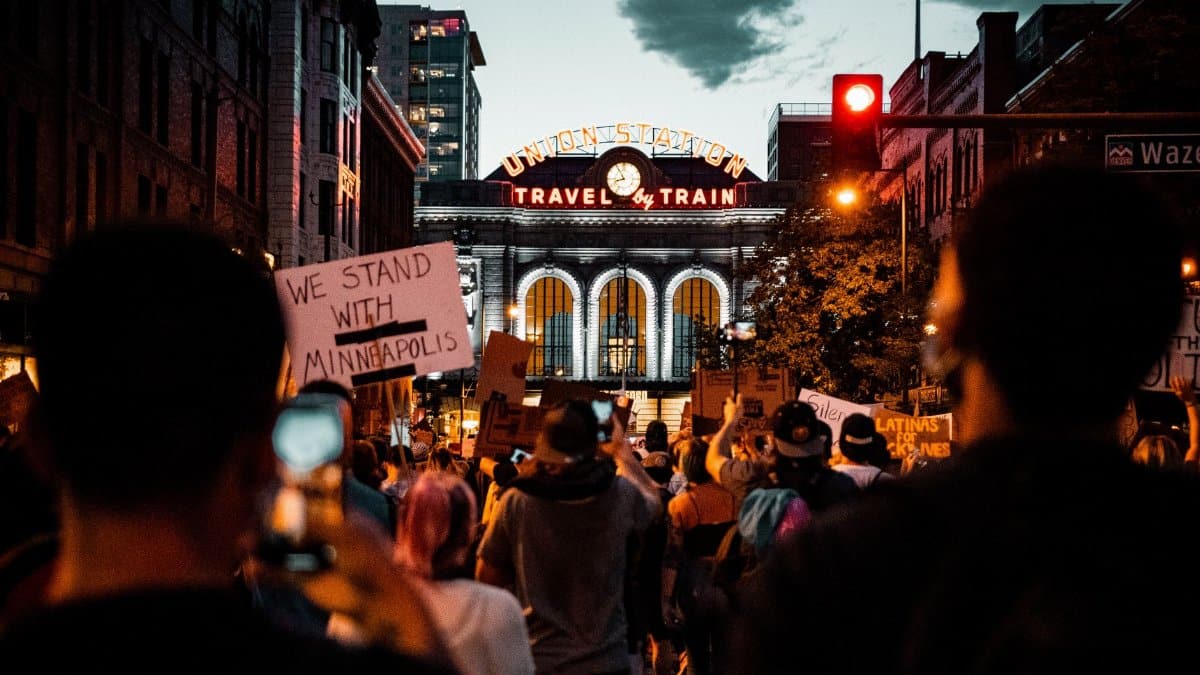
Hundreds of people converged on downtown Minneapolis for what began as informal gatherings but quickly escalated into a larger disruption. Participants used Lime scooters to navigate between meeting points causing backups on busy avenues and prompting calls to emergency services. Witnesses described scenes of riders weaving through traffic and ignoring basic road rules which added to the chaos. Local police monitored the situation without making mass arrests yet the event highlighted vulnerabilities in how shared mobility tools can be mobilized on short notice. City leaders noted that such takeovers strain resources and raise questions about enforcement capacity during peak hours.
Company Response and Rider Bans

Lime acted by suspending accounts tied to the Interstate 35W incursion and removing scooters from affected zones. Company representatives explained that safety protocols triggered automatic reviews of ride data leading to targeted deactivations. This approach aimed to deter future misuse while preserving access for compliant users. Observers pointed out that swift action helps maintain trust with municipal partners who grant operating permits. Yet questions remain about how such measures scale when similar events occur in other regions.
Impact on Urban Mobility Options
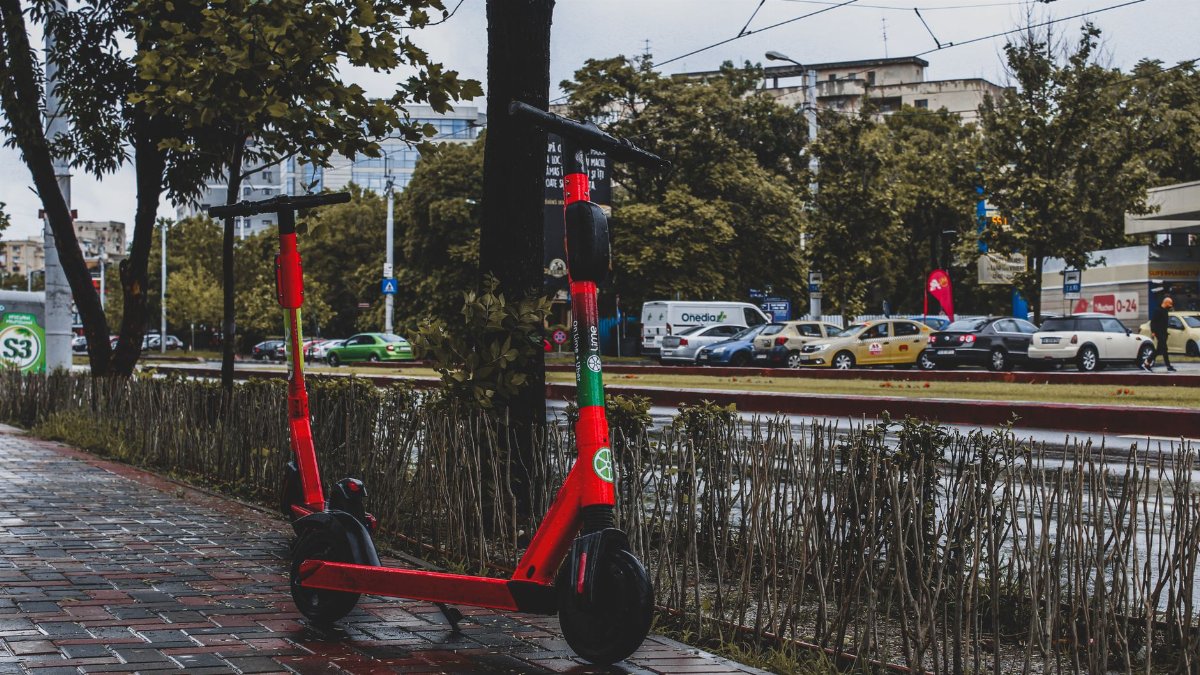
Shared scooters offer an alternative to cars for short distances reducing congestion and emissions in dense areas. In Minneapolis the recent events may shift public perception of these services as reliable or unpredictable. Data from transportation studies suggest that well managed programs can cut vehicle miles traveled by noticeable margins. Disruptions like the downtown meetups however risk prompting stricter limits that could curb overall adoption. Cities must balance innovation with practical oversight to keep these options viable long term.
Safety Concerns in City Centers
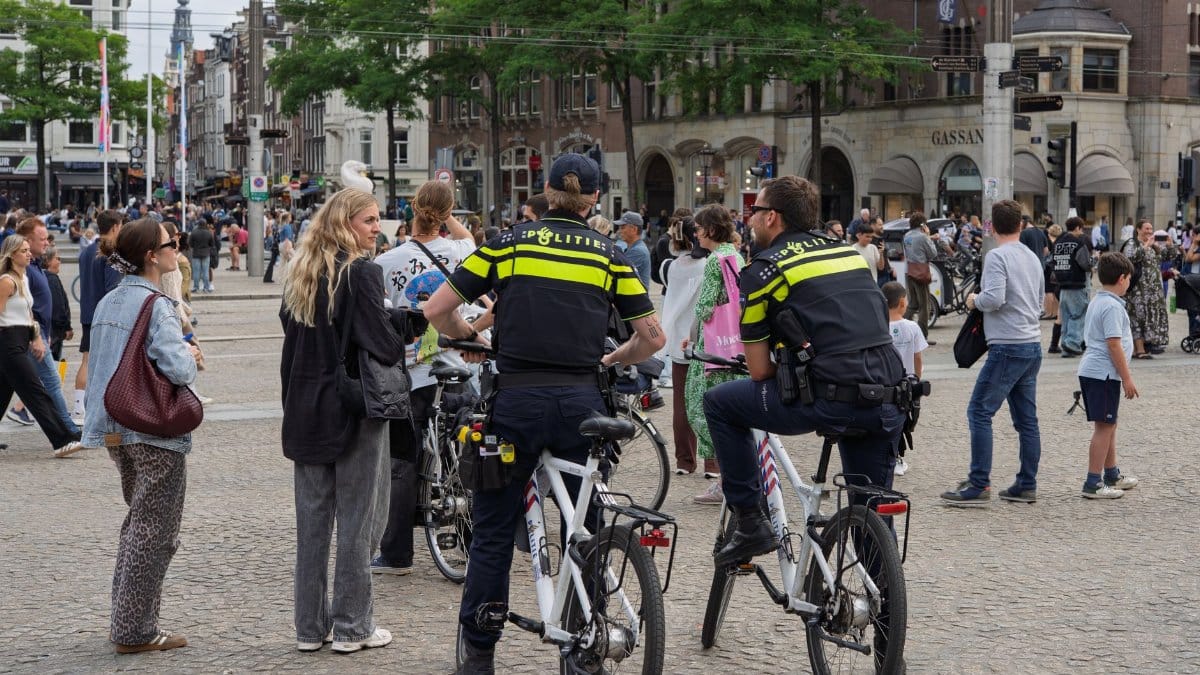
High speed travel on sidewalks and entry onto highways like Interstate 35W expose riders and drivers to collision risks. Emergency room visits linked to scooter accidents have risen in several metropolitan areas according to health department records. Helmets remain optional in many places which compounds injury potential during falls or impacts. Advocates call for better education campaigns and built in speed governors on devices to address these issues proactively.
Regulatory Challenges Across the Nation

Local governments face pressure to craft rules that address parking clutter sidewalk obstruction and unauthorized highway access. Permit systems often require companies to share location data in real time allowing quicker responses to problems. Some jurisdictions have already introduced caps on fleet sizes or designated parking zones to minimize conflicts with pedestrians. These policies evolve as usage patterns change and new incidents surface in the news cycle.
Public Reaction and Community Views

Residents expressed mixed feelings after the Minneapolis gatherings with some praising the creativity of group rides while others voiced frustration over blocked intersections. Business owners reported lost foot traffic during the peak disruption hours. Online forums filled with comments ranging from support for expanded micromobility to demands for outright prohibitions in core districts. Community meetings have since drawn larger crowds eager to shape future guidelines.
Future of Micromobility Options

Advances in geofencing technology allow companies to restrict scooters from entering sensitive zones such as highways automatically. Partnerships with city planners could integrate these tools into broader transit networks that include bikes and public transit. Sustained growth depends on consistent enforcement and user accountability measures that prevent repeats of recent takeovers. Without such steps Lime scooter bans may spread to additional markets seeking to avoid similar headaches.
Comparisons with Other Cities

Places like San Francisco and Austin have dealt with parallel surges in scooter activity leading to temporary halts and revised operating agreements. Those experiences show that early dialogue between operators and officials can prevent escalation. Minneapolis now joins a list of locations testing enforcement boundaries after unexpected large scale uses. Lessons from these cases could inform national standards that promote safety without stifling convenient travel choices.