

Imagine a quiet evening where a group of friends huddles over coffee, their conversation turning to something unexpected. One pulls out a phone, tapping through an app to reveal a detailed chart. “This says my moon sign is in Pisces,” they muse, sparking a lively debate about emotions and hidden traits. For many in 2025, moon sign astrology isn’t just a passing fad—it’s a tool for self-discovery, a way to decode the undercurrents of feelings that shape daily life. Unlike the more familiar sun signs, which reflect outward personality, moon signs dig deeper, illuminating the emotional core that often stays hidden. This growing fascination reflects a broader hunger for understanding oneself beyond surface-level labels. As Americans navigate an increasingly complex world, could this ancient practice offer a fresh lens on the inner self? Let’s unpack its significance and see what’s driving the trend.
What Are Moon Signs, Really?
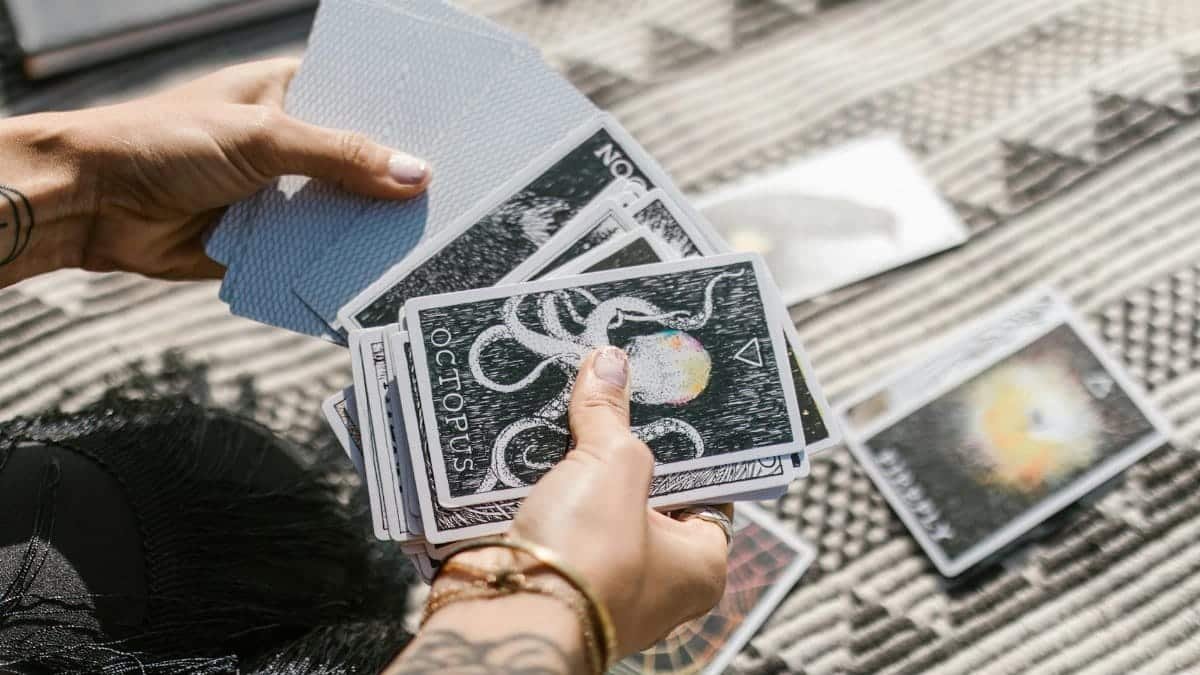
At its heart, moon sign astrology focuses on the position of the moon at the exact moment of your birth. This isn’t about broad horoscopes splashed across magazine pages. It’s personal. The moon’s placement in one of the 12 zodiac signs—think fiery Aries or grounded Taurus—reveals how you process emotions, react instinctively, and seek comfort. While your sun sign might shout who you are to the world, your moon sign whispers who you are in private moments.
Take, for instance, someone with a moon in Scorpio. They might feel emotions intensely, guarding their vulnerabilities like a fortress, even if their sun sign projects confidence. This contrast often surprises people when they first explore their charts. A 2021 survey by the Pew Research Center noted that about 29% of Americans believe astrology holds some truth, a figure that’s held steady as interest in personalized readings spikes. Moon signs, in particular, resonate with those seeking emotional clarity.
Why Moon Signs Matter More Than You Think
The appeal of moon sign astrology lies in its specificity to emotional life. It’s not about predicting lottery numbers or career moves. Instead, it offers a framework for understanding why you might crave solitude after conflict or leap into caregiving during a crisis. Psychologists have long studied how emotions drive behavior, and while astrology isn’t science, its insights often parallel therapeutic tools. A report from the American Psychological Association highlights that self-awareness of emotional patterns can reduce stress—a goal many chase through moon sign exploration.
Picture a young professional in Chicago, juggling deadlines and personal doubts. After learning their moon is in Cancer, they start noticing a pattern: a deep need for security often pulls them back from risks. This realization doesn’t solve everything, but it frames their hesitations in a new light. Such stories aren’t rare. They reflect a quiet shift toward using astrology as a mirror for introspection.
How Moon Signs Differ From Sun Signs
Confusion often brews when people mix up sun and moon signs. Here’s the distinction: your sun sign, based on your birth date, shapes your ego and public persona. A Leo sun might exude boldness. But pair that with a Virgo moon, and their inner world could be meticulous, even anxious, craving order behind the bravado. Moon sign astrology zooms in on this private emotional landscape, often revealing contradictions that generic horoscopes miss.
This duality fascinates many. A 2023 article from The New York Times Style section noted a surge in astrology apps that prioritize full natal charts over simplistic sun-sign predictions. Users want the whole picture. Moon signs, as a piece of that puzzle, help explain why someone might feel like an “atypical” version of their zodiac sign. It’s less about destiny and more about decoding internal wiring.
The Cultural Surge of Emotional Astrology

Walk through any urban bookstore or scroll social feeds in 2025, and the buzz around moon sign astrology is hard to miss. It’s woven into self-help podcasts, wellness blogs, and even casual brunch chats. This isn’t just millennial whimsy. A study by the National Opinion Research Center suggests that interest in spiritual practices, including astrology, spans generations, with middle-aged adults increasingly curious about tools for emotional insight. The moon’s association with intuition and cycles strikes a chord in a society grappling with burnout and disconnection.
Online, anonymous accounts often highlight this pull. One person shared publicly that discovering their moon sign felt like “finally understanding why I cry over small things but stay stone-cold in emergencies.” These snippets show how moon signs offer language for emotions that are hard to pin down, fueling a cultural wave that’s both personal and collective.
Practical Ways to Use Moon Sign Insights

So, how does this translate to everyday life? Start by finding your moon sign—free tools online use your birth date, time, and place to generate a natal chart. Once you know it, reflect on patterns. A Gemini moon might mean you process feelings through endless conversation, while a Capricorn moon could signal a tendency to bottle up until you crack. Recognizing these habits can shift how you handle stress or relationships.
Beyond self-reflection, some use moon signs to navigate connections. A parent with a fiery moon might clash with a child’s watery one, but awareness of those emotional styles can ease tension. It’s not a fix-all, but it’s a starting point. Therapists often stress understanding emotional triggers, and while moon sign astrology isn’t therapy, it can spark similar conversations about needs and reactions.
Navigating Skepticism and Belief
Not everyone buys into moon sign astrology, and that’s no surprise. Critics argue it’s pseudoscience, lacking empirical proof. They’re not wrong—astrology doesn’t hold up under scientific scrutiny. Yet, its value for many lies in storytelling, not data. It’s a way to frame personal struggles, much like mythology or art. The tension between skepticism and belief mirrors broader debates about spirituality in a rational age.
Still, even skeptics might admit the placebo effect of feeling understood. When a middle-aged nurse in Ohio shrugged off astrology but later admitted a moon sign reading “hit too close to home,” it highlighted a common thread: the human need for meaning. Whether you see moon signs as cosmic truth or creative metaphor, their role in prompting reflection is hard to dismiss. As society wrestles with mental health challenges, any tool that encourages looking inward carries weight.
Challenges in Embracing Moon Sign Astrology
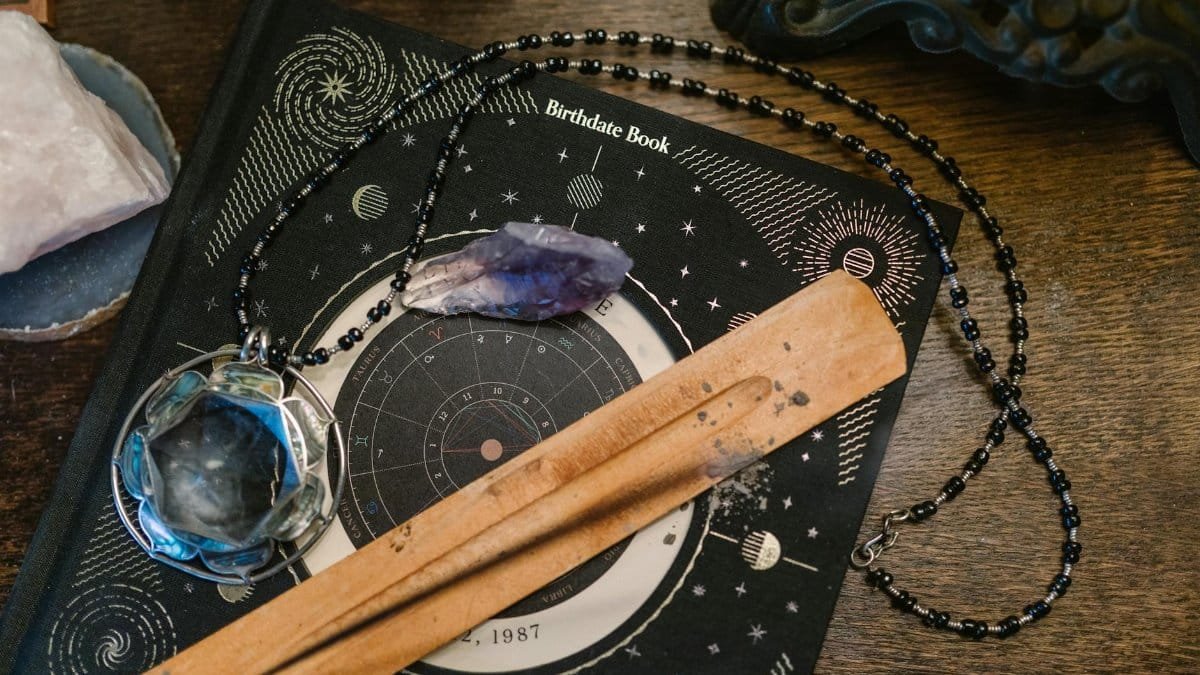
Despite its allure, diving into moon signs isn’t always smooth. For one, accuracy depends on knowing your exact birth time—something not everyone has handy. Without it, charts can feel like guesswork. Then there’s the risk of over-reliance. Leaning too hard on astrology for life decisions can sidestep personal accountability, a concern echoed by mental health advocates who caution against replacing action with cosmic excuses.
There’s also the flood of misinformation. Not every app or influencer offers reliable insights, and sifting through fluff for substance takes effort. Yet, for those willing to approach it with curiosity rather than dogma, moon sign astrology can still open doors to self-awareness. The key is balance—using it as a prompt, not a prescription.
A Deeper Connection to the Self

As the world speeds up, the hunger for inner clarity only grows. Moon sign astrology, with its focus on emotional undercurrents, taps into that need. It’s less about gazing at stars and more about gazing inward, asking how feelings shape choices. In 2025, as stress and uncertainty linger, tools that help name the unspoken hold unique power.
Whether you’re a believer or just intrigued, consider this: what if a single insight about your emotional makeup shifted how you face a challenge? That’s the quiet promise of moon signs. They don’t solve life’s messiness, but they might just light a path through it. For now, that’s enough to keep the conversation—and the curiosity—alive.