

Imagine a quiet afternoon in a small American town, where the hum of daily life suddenly gives way to something inexplicable. A woman steps out of her car near an old diner, only to find the street transformed—horse-drawn carriages clatter by, and people in vintage attire stare as if she’s the oddity. Moments later, reality snaps back. She’s in 2025 again, shaken, questioning what just happened. This is the essence of time slip stories, accounts where individuals claim to have briefly crossed into another era, defying our understanding of time. These tales, often dismissed as fantasy, have persisted across cultures and generations, capturing imaginations and sparking debates. Are they mere illusions, or do they hint at something deeper about reality? From historical anecdotes to modern encounters, the phenomenon invites curiosity and skepticism in equal measure, urging us to reconsider the boundaries of the possible.
1. The Versailles Incident of 1901
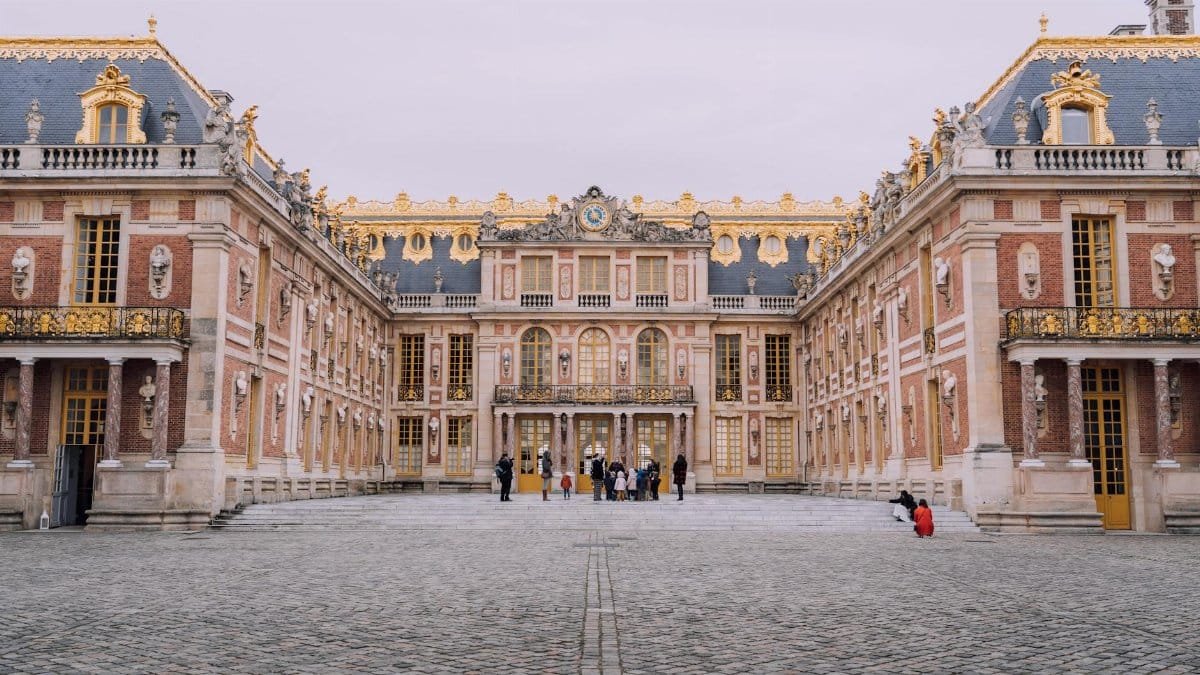
One of the most famous time slip stories emerged over a century ago, when two English women, Charlotte Moberly and Eleanor Jourdain, visited the Palace of Versailles. As they strolled through the gardens, they described a sudden shift—the air grew heavy, and they encountered people in outdated clothing, including a woman sketching who resembled Marie Antoinette. The scene felt unnervingly real, yet when they retraced their steps later, everything was modern again. Their detailed account, published in 1911 as “An Adventure,” stirred fascination and skepticism. Scholars have since debated whether this was a shared delusion or something more, with some pointing to the psychological stress of travel as a trigger. Yet, the precision of their descriptions, down to the clothing and mannerisms, keeps the story alive in discussions of unexplained phenomena, as noted in historical analyses by Encyclopaedia Britannica.
2. The Liverpool Time Slip of 1996
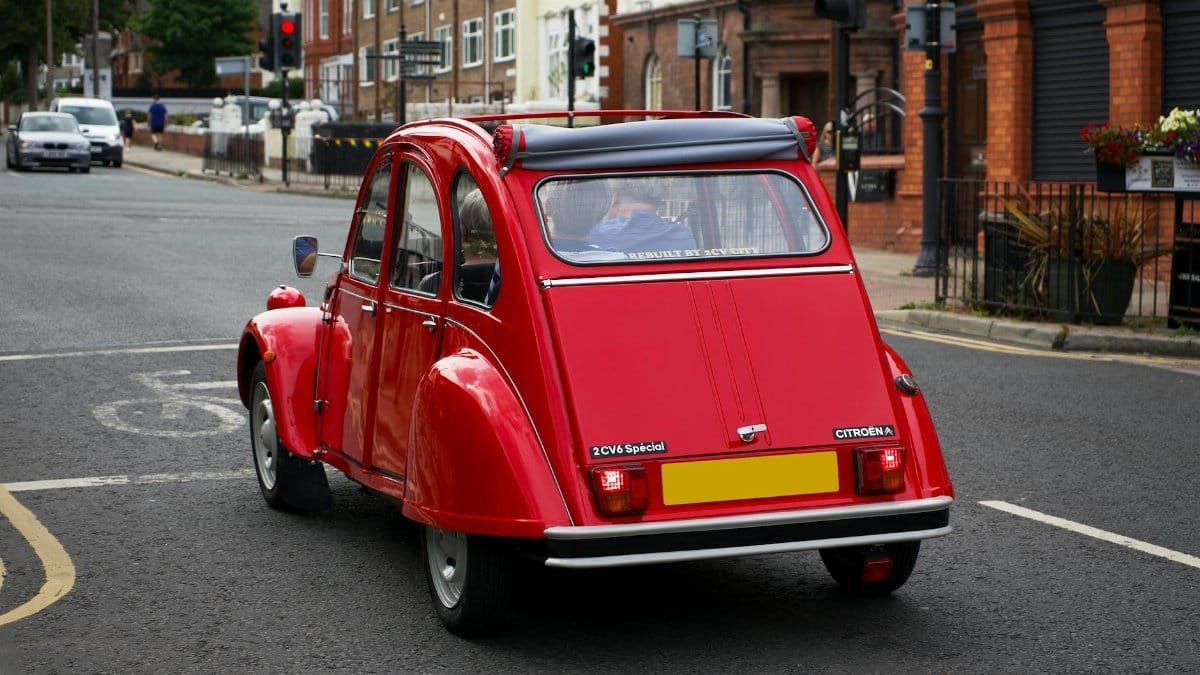
In the mid-1990s, a British teenager named Sean claimed an experience that still puzzles paranormal researchers. Walking down Bold Street in Liverpool, he noticed the bustle of modern shoppers fade. Suddenly, the street was lined with 1950s storefronts, and passersby wore dated suits and hats. A newsstand displayed papers from decades prior. Disoriented, Sean entered a shop, only to find himself back in 1996 moments later. His story, widely shared in local lore, aligns with other accounts from the same street, suggesting a peculiar hotspot for such events. While skeptics attribute this to vivid imagination or urban myth, the consistency of details across unrelated witnesses raises questions. Research into environmental factors, like electromagnetic fields, offers no clear answers, as discussed in studies by Smithsonian Magazine.
3. A Soldier’s Glimpse of the Past
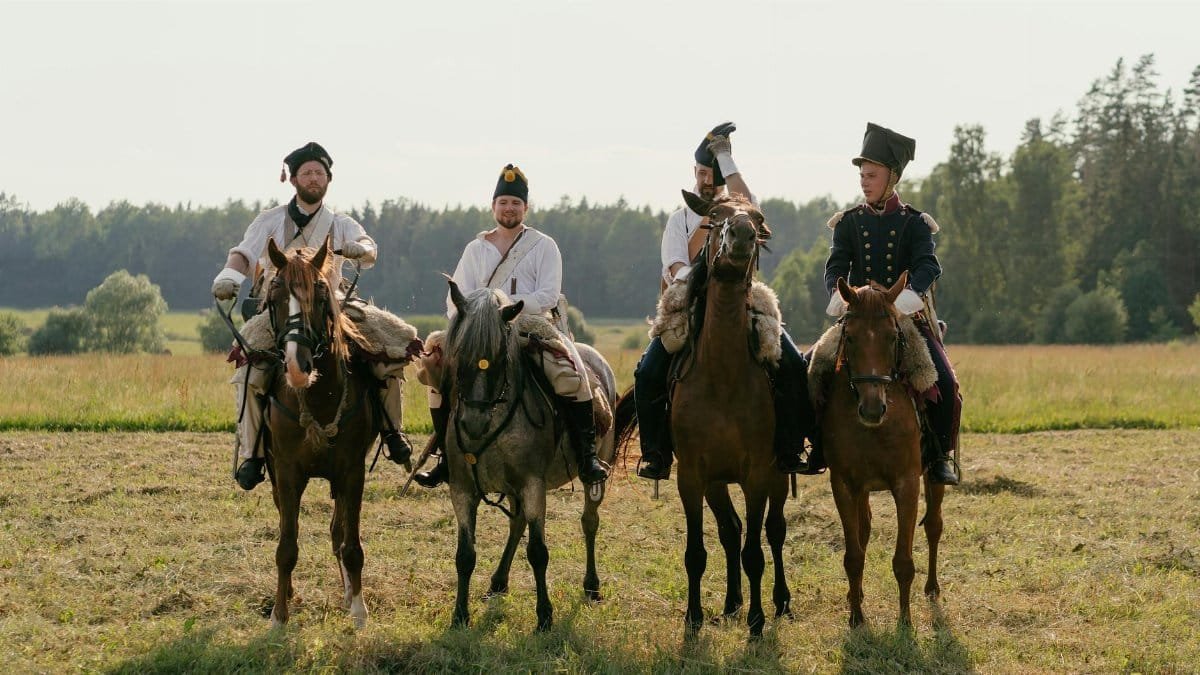
During World War II, a U.S. soldier stationed in Europe reportedly stumbled into a different era while on patrol near a French village. According to military folklore archived by historical societies, he described walking through a fog and emerging into a scene of medieval peasants tending fields. Their language was unrecognizable, their tools primitive. Minutes later, the fog lifted, and he was back among wartime ruins. He confided the incident to a comrade, who noted his genuine confusion. Was this a stress-induced hallucination, common in combat zones, or something else? Psychological studies from institutions like American Psychological Association suggest trauma can distort perception, yet the soldier’s vivid recall of details—down to the smell of damp earth—echoes patterns in other time slip stories, leaving room for speculation.
4. The Future Through a Diner Window

Fast forward to the 1980s in rural Nevada, where a truck driver stopped at a diner for coffee. As he later recounted to friends, the view outside shifted while he sipped his drink. Sleek, unrecognizable vehicles zoomed past on a road that seemed wider, shinier. The diner itself looked unchanged, but the patrons wore strange, form-fitting clothes. Blinking hard, he found the scene reverted to normal. This glimpse of a potential future, though undocumented officially, mirrors other anecdotal time slip stories where the future, not the past, intrudes. Such accounts challenge our linear understanding of time, prompting discussions in theoretical physics about temporal anomalies, as explored by researchers at Caltech. Could brief overlaps in perception reveal cracks in reality, or are they just tricks of the mind?
5. A Child’s Unexplained Journey

Children, with their unfiltered perspectives, sometimes offer the most haunting time slip stories. In the early 2000s, a family in Ohio reported their young daughter describing a “different house” after wandering into the backyard. She spoke of a stern woman in a long dress scolding her to leave, and a barn that wasn’t there when her parents checked. The girl’s insistence, coupled with her fear, unsettled the family. They later learned their property once housed a 19th-century farmstead. While it’s easy to dismiss this as childhood fancy, the specificity of her description—down to the woman’s braided hair—mirrors patterns in adult accounts. Whether memory, imagination, or something stranger, such stories highlight how time slips often tie to specific locations with layered histories.
6. The Civil War Echo in Gettysburg
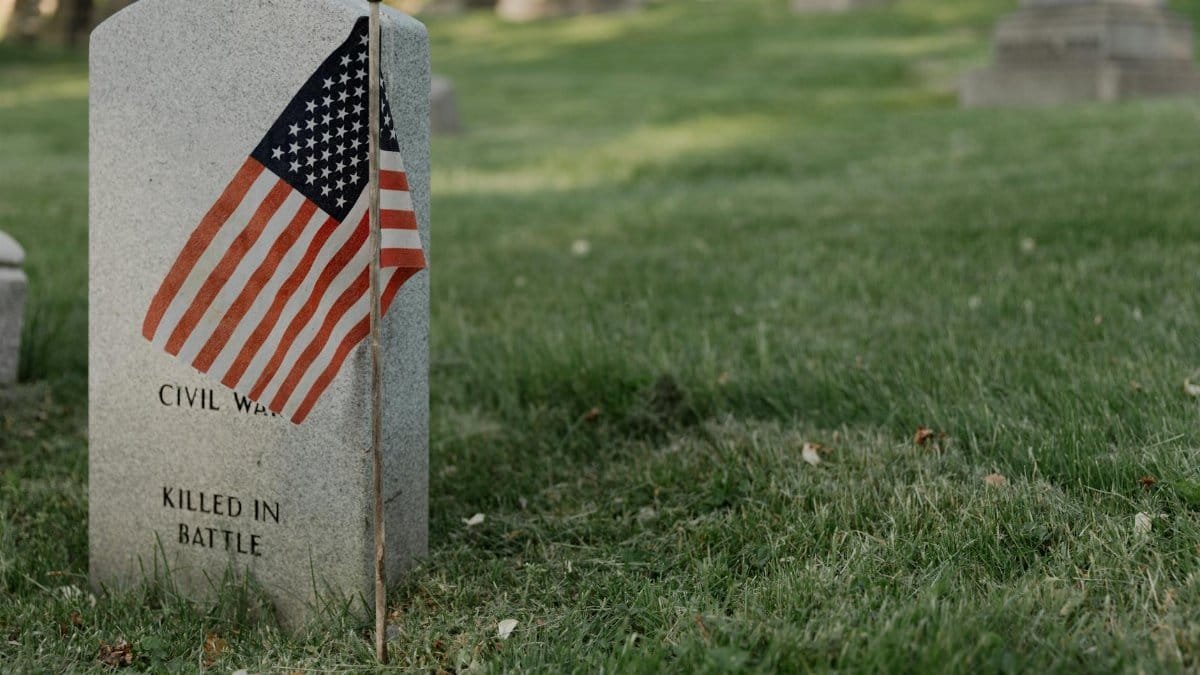
Gettysburg, Pennsylvania, a site steeped in history, is no stranger to eerie tales. In the 1990s, a tourist walking the battlefield at dusk claimed to hear distant cannon fire and see shadowy figures in Union blue. The air, he said, smelled of gunpowder. Moments later, the sounds and sights vanished, leaving only modern silence. He wasn’t alone—numerous visitors report similar fleeting experiences at historical sites. Are these echoes of intense past events imprinted on the landscape, as some paranormal theories suggest? Or does the weight of history simply prime the mind for illusion? The emotional resonance of such places adds a layer of complexity to time slip stories, blending memory with mystery.
7. A Modern Encounter on a City Street

Not all time slips are tied to distant eras or remote locales. A woman in Chicago, just a few years ago, described a jarring moment while commuting. Crossing a busy intersection in 2025, she felt a sudden hush. The skyline looked different—older, with fewer skyscrapers—and the cars were boxy, like something from the 1930s. A man in a fedora tipped his hat as he passed. Then, as quickly as it came, the vision dissolved into the present. She later shared her bewilderment anonymously online, wondering if stress or fatigue played a role. Her story reflects a common thread: time slips often strike during mundane routines, catching people off guard and leaving them to question their own senses in an otherwise ordinary day.
8. The Role of Stress and Perception

What drives these experiences? Many who report time slips mention being tired, distracted, or emotionally charged at the time. A sudden shift in focus, coupled with a suggestive environment—like an old battlefield or historic street—might spark a vivid mental overlay of the past. Psychologists argue that the brain, under stress, can construct hyper-realistic scenarios, blending memory and imagination. Yet, not all cases fit this mold. Some individuals, perfectly calm, still encounter these anomalies. This tension between science and the unexplained fuels ongoing curiosity, as researchers continue to probe how perception shapes reality in ways we don’t fully grasp.
9. Why Time Slip Stories Persist

Across decades and continents, time slip stories endure, whispered in small towns and debated in academic circles. They tap into a universal longing to connect with something beyond the present—whether it’s nostalgia for a lost past or hope for a glimpsed future. These accounts, though often unprovable, offer a window into human experience, revealing how deeply we crave meaning in the mundane. They challenge the rigidity of time as we know it, inviting us to wonder if reality is more fluid than science admits. As long as questions outnumber answers, these strange tales will linger, reminding us that some mysteries refuse to stay buried in any single era.