
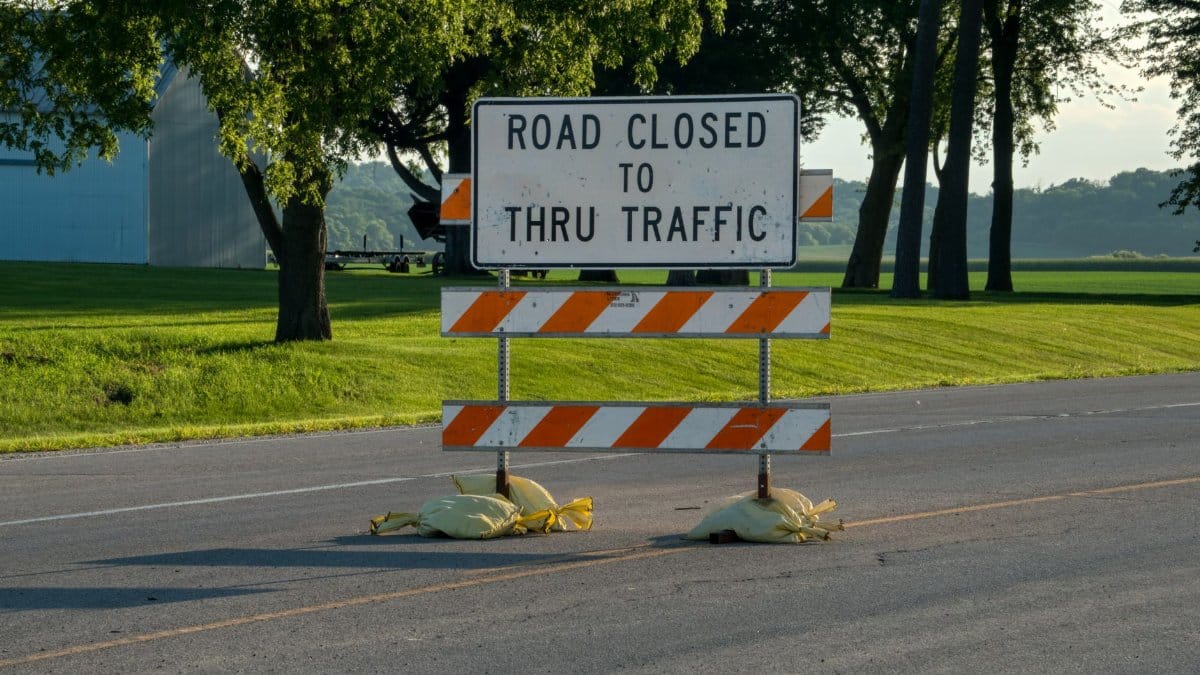
In the bustling corridors of Puget Sound a quiet tension builds among those who rely on the roads each day. Maintenance crews prepare to close key segments of infrastructure leaving drivers to seek alternative paths or adjust their schedules accordingly. This situation highlights ongoing challenges in urban planning and the need for better coordination in public works. Highway 99 closures represent one piece of a larger puzzle that affects thousands of daily commutes and leisure trips alike. The ripple effects extend beyond mere inconvenience touching on economic activity and personal routines in profound ways. Observers note that such events offer a chance to reflect on how infrastructure shapes community life.
Background on Regional Road Maintenance Efforts

Officials have long scheduled upgrades across multiple routes to address wear from heavy use and weather exposure. Crews will focus on structural repairs that require full access to work zones. These efforts aim to extend the life of vital links in the transportation network. Planning involved input from engineers and traffic analysts who mapped out timelines to minimize overlap where possible. Residents have grown accustomed to periodic adjustments but this round stands out for its breadth.
Expected Effects on Local Commuters

People heading into the city or across town can anticipate longer travel times and crowded detours. Morning and evening peaks will see the greatest strain as volume shifts to secondary roads. Some may choose to travel outside normal hours or use public transit to avoid the worst delays. Data from prior events suggests a notable uptick in congestion on parallel corridors.
Alternatives for Those Affected by Disruptions

Planners recommend checking real time updates through official channels before setting out. Car pools and flexible work arrangements have proven helpful in past instances. Bicyclists and pedestrians might find dedicated paths less impacted though they too must stay alert to changing conditions around work sites.
Historical Context of Similar Projects in the Area
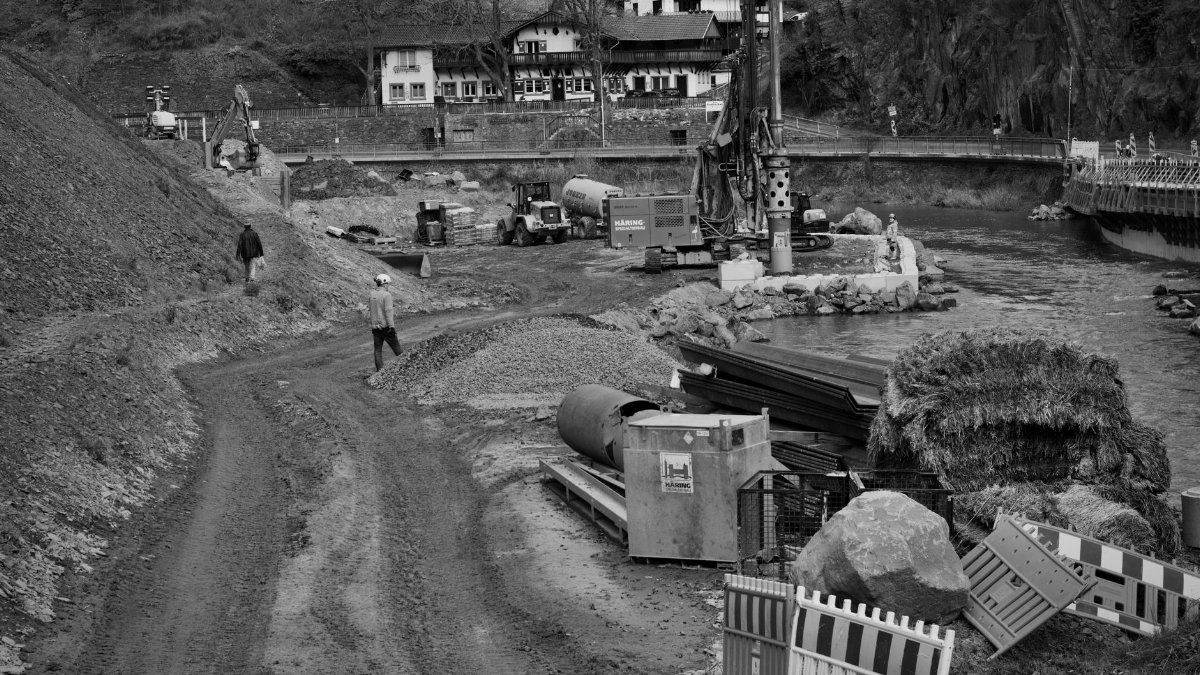
Previous maintenance cycles have shown that advance notice helps ease the burden on daily travelers. Lessons from those episodes informed current strategies including phased work and enhanced signage. Communities adapted by forming informal networks to share route tips and updates.
Economic Implications for Businesses Nearby

Shops and services along affected paths may see fluctuations in customer flow as access becomes less direct. Delivery schedules could stretch leading to adjustments in inventory management. Over time such projects support smoother operations once complete yet the interim period demands resilience from local owners.
Environmental Considerations During Construction Periods
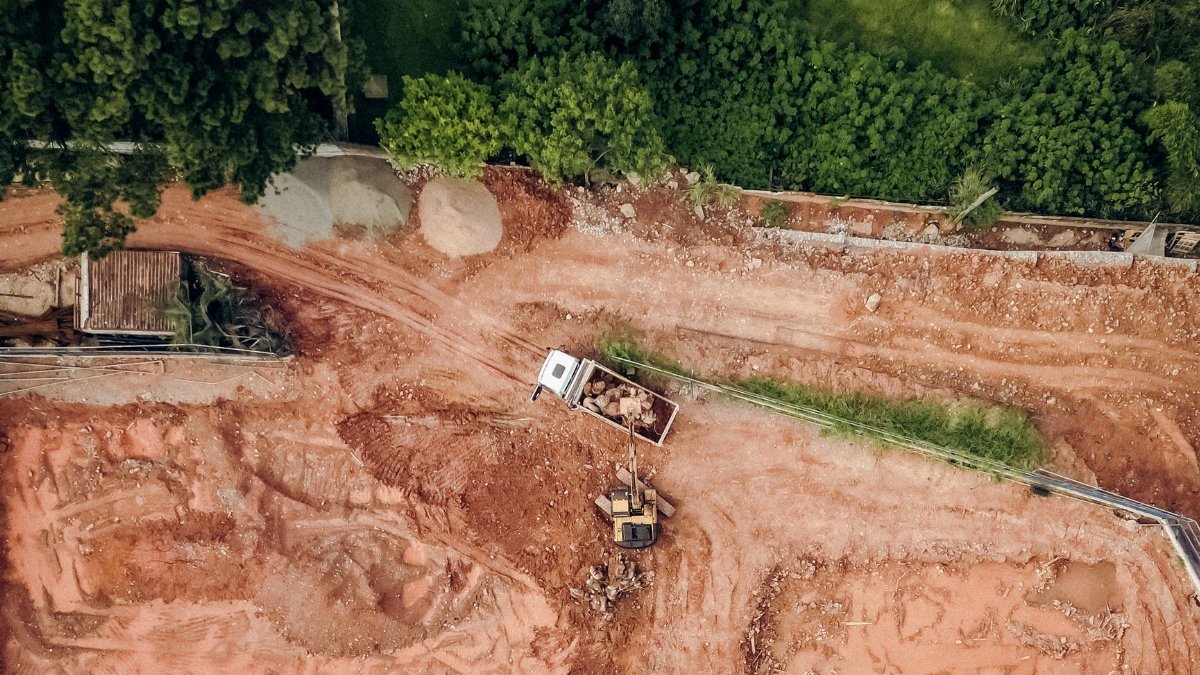
Work zones incorporate measures to limit dust and runoff into nearby waterways. Equipment choices reflect efforts to reduce emissions during active phases. Long term gains include better road surfaces that can improve fuel efficiency for all vehicles passing through.
Public Safety Measures Implemented by Authorities

Barriers and lighting will guide traffic around active areas while emergency access remains a priority. Officers may increase presence at key junctions to manage flow and respond to incidents. Public alerts will emphasize caution and awareness of altered lane patterns.
Community Responses and Feedback Collected

Surveys from earlier closures revealed a mix of frustration and understanding among residents. Many appreciate the necessity of upkeep even as they navigate added stress. Forums and meetings provide outlets for suggestions that shape future scheduling.
Future Plans for Infrastructure Improvements
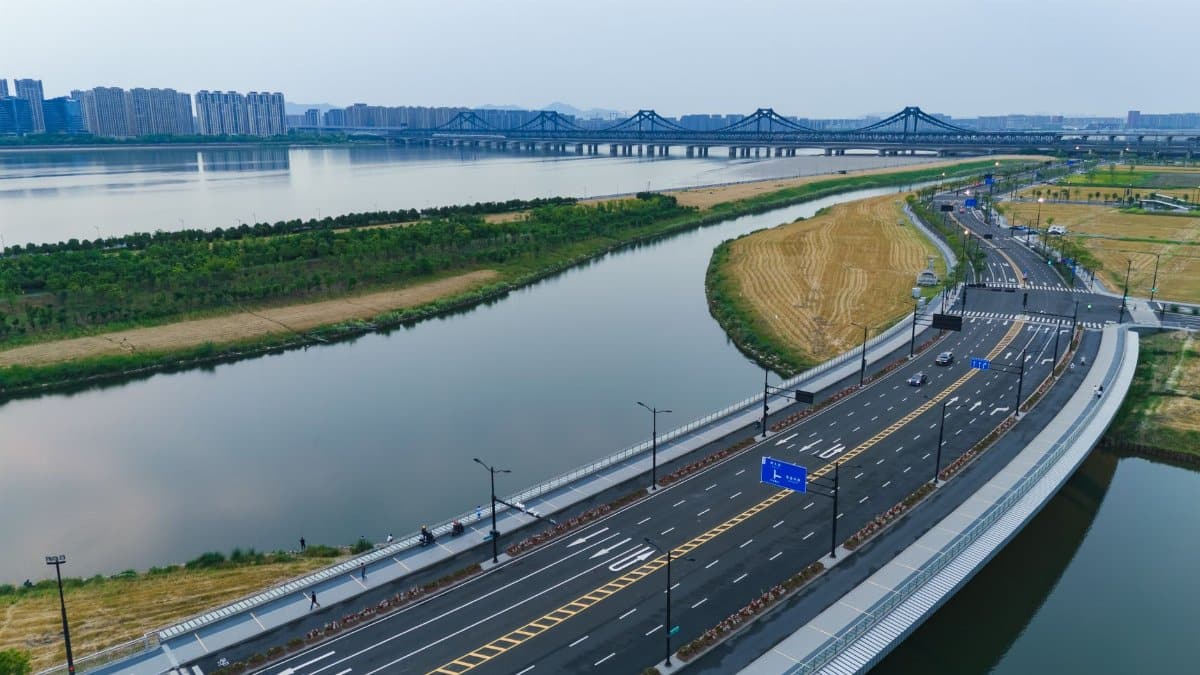
Broader visions include expanded capacity and smarter signaling systems to handle growing demand. Funding discussions continue with an eye toward sustainable materials and designs. These steps build on current work to create a more reliable network overall.
Lessons Learned from Past Closures

Each round of roadwork adds to collective knowledge about coordination and communication. Success hinges on clear information sharing and flexibility from all parties involved. Such experiences reinforce the value of proactive maintenance in sustaining urban vitality. Highway 99 closures fit into this pattern as authorities seek to balance progress with daily needs.