

A federal court in Boston ended a high profile legal battle this week involving the nations leading university and claims of inadequate protection for students amid rising campus tensions. The decision arrives at a moment when colleges across the country continue to navigate questions of expression safety and institutional responsibility following overseas conflicts. Many middle aged readers may recall earlier campus disputes from their own college years yet this case stands out for its direct federal involvement and the scale of scrutiny it attracted. Observers suggest the outcome could influence how administrators approach complaints in the years ahead while also highlighting limits on government leverage over private institutions. The Harvard antisemitism suit had become a focal point for debates over enforcement and accountability.
Details of the Court Ruling

The judge concluded that the claims lacked sufficient grounding to proceed under current standards. Arguments presented by the administration failed to demonstrate clear violations that would justify continued action. This determination rested on reviews of university records and prior communications between officials and campus leaders.
University Response to the Decision

Harvard leaders expressed relief at the closure of the matter while reaffirming commitments to all students. They emphasized ongoing efforts to foster dialogue and address concerns through internal channels rather than external mandates. The statement avoided confrontation yet signaled a preference for institutional autonomy in handling sensitive issues.
Campus Climate Before the Filing

Tensions had escalated over several months as protests and counter demonstrations created an unsettled atmosphere. Reports from faculty and staff described challenges in maintaining open discourse without fear of reprisal. Administrators had introduced new guidelines aimed at balancing rights but these measures drew mixed reactions from different groups.
Student Experiences During the Period

Many undergraduates described feeling caught between competing demands for support and neutrality. Some recounted instances of unease in classrooms or common areas while others focused on preserving spaces for advocacy. Surveys conducted internally revealed divided opinions on whether existing resources met needs adequately.
Federal Government Approach in Similar Matters
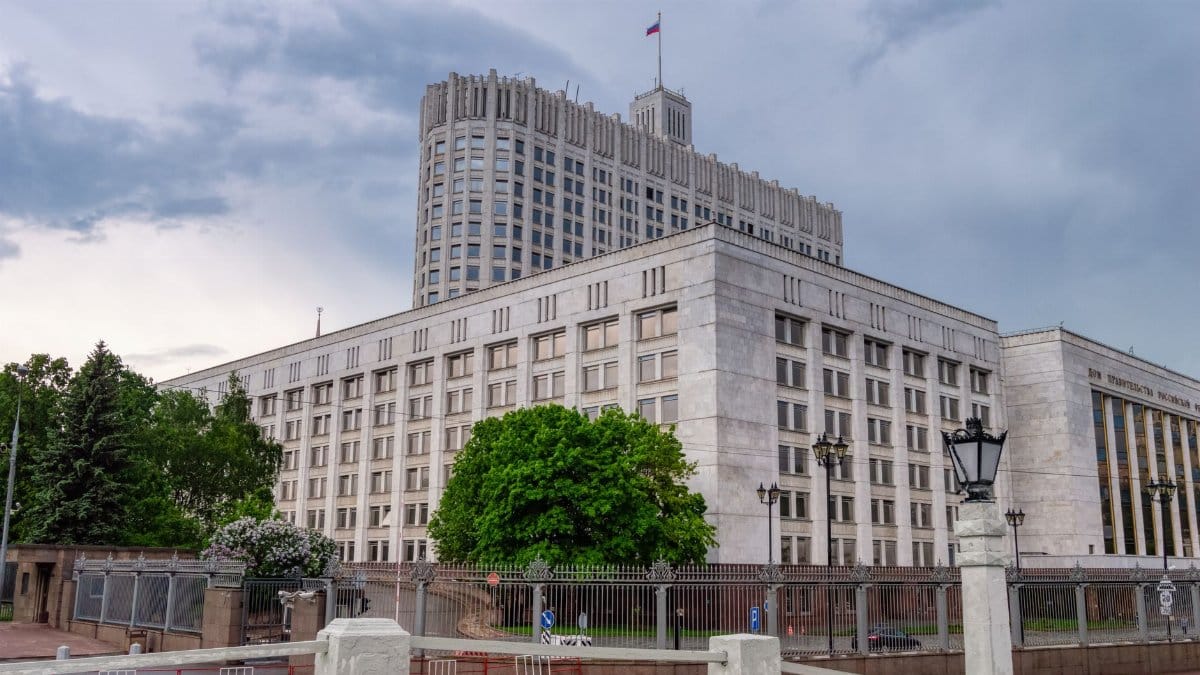
Previous administrations have pursued investigations into bias complaints at various schools yet rarely escalated to full litigation. This case marked a notable shift toward stronger enforcement tactics. Legal experts point to evolving interpretations of civil rights statutes as a factor in the strategy.
Reactions from Advocacy Organizations

Groups focused on civil liberties welcomed the dismissal as a check on overreach. Others representing affected communities voiced disappointment and called for renewed attention to prevention efforts. Both sides agreed that the episode underscores the complexity of regulating speech in academic settings.
Potential Effects on Policy Development

Universities may now review their own frameworks for responding to complaints with an eye toward avoiding external challenges. Training programs for staff could expand to cover conflict resolution more thoroughly. Lawmakers in Congress have already begun discussing possible adjustments to funding conditions tied to compliance.
Historical Context of Bias Allegations

Disputes over campus bias have appeared periodically since the mid twentieth century often tied to broader social movements. Earlier episodes involved different demographics yet shared themes of institutional response and public pressure. This latest instance fits into a pattern of increasing legal involvement in academic affairs.
Views from Faculty Members

Professors interviewed described the need for clearer boundaries around acceptable conduct during heated periods. Some advocated for more robust support systems while cautioning against measures that might stifle debate. Their perspectives reflect a commitment to core academic values amid external demands.
Looking Ahead for Institutional Relations
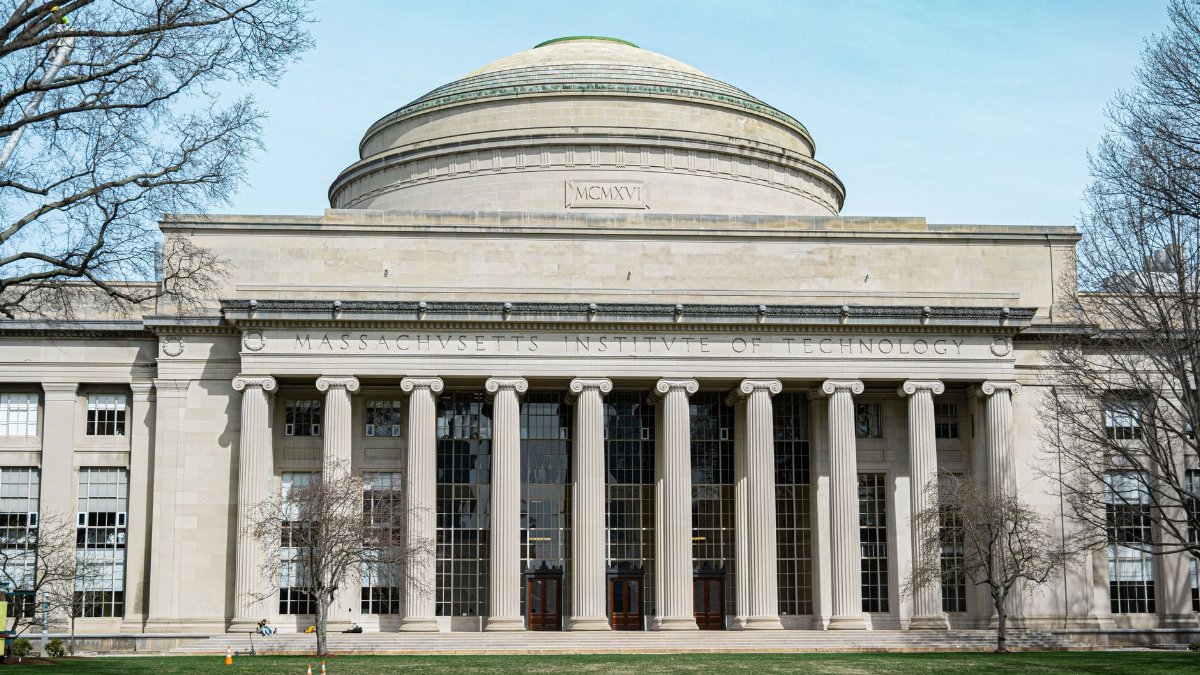
The resolution may encourage greater cooperation between schools and regulators on voluntary initiatives. Future disputes could benefit from mediation before reaching courts. Overall the episode serves as a reminder that resolution often requires patience and attention to underlying community dynamics rather than quick fixes. The Harvard antisemitism suit will likely be referenced in discussions for some time as an example of boundaries in enforcement actions. Additional mentions of the Harvard antisemitism suit appear in analyses of enforcement trends. Experts continue to weigh how the Harvard antisemitism suit shapes expectations. One more reference to the Harvard antisemitism suit highlights evolving standards in the field.