
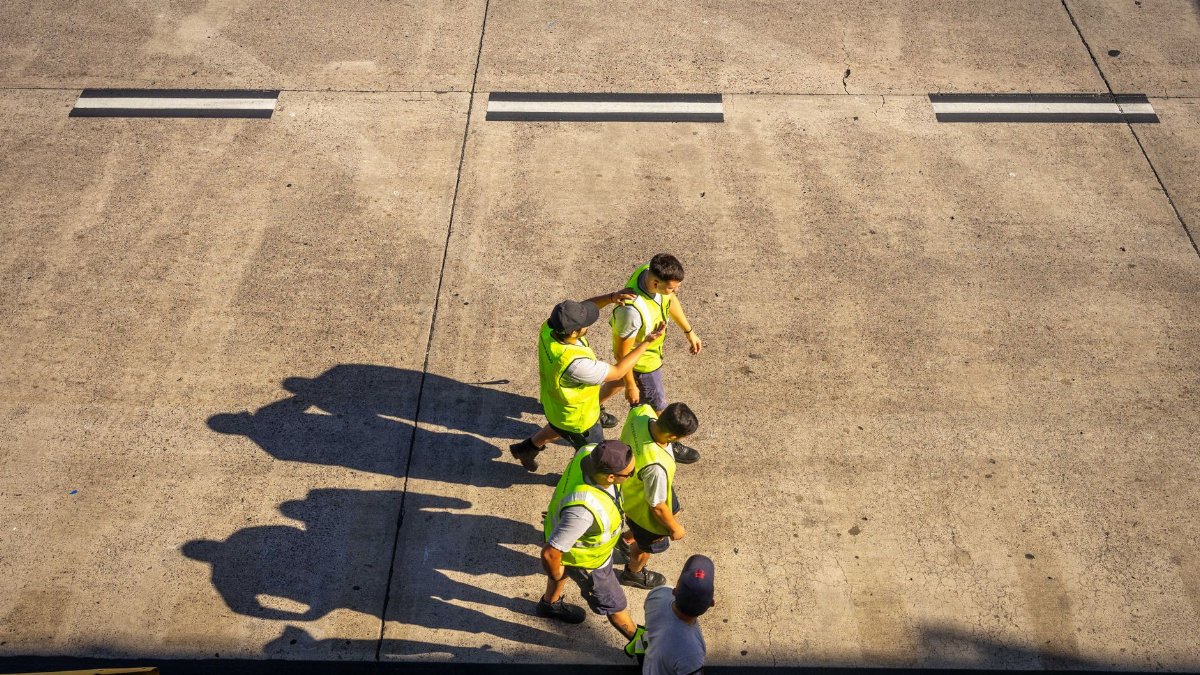
Travelers rushing through Houston airports may not always notice the dedicated staff who manage daily operations. These individuals handle everything from check in procedures to maintenance tasks. The recent announcement regarding airport workers raises marks a significant shift in how the city values these essential roles.
Details of the Wage Increase

Mayor John Whitmire signed an executive order that lifts minimum pay by five dollars each hour. The plan brings wages up to twenty three dollars by the year twenty twenty eight. Around thirty five thousand workers at the city airports stand to benefit from this adjustment over the coming years. Labor leaders worked closely with city officials to shape the terms of this agreement.
Role of Labor Leaders in Negotiations

Union representatives played a key part in pushing for better compensation. They highlighted the daily challenges faced by staff who often juggle multiple jobs to make ends meet. Their efforts helped frame the case for airport workers raises as a necessary step toward fairness in public sector employment. Meetings with the mayor led to a framework that both sides could support.
Effects on Worker Daily Lives

Higher pay allows many employees to cover basic expenses without constant strain. Families may find more room in budgets for housing or education costs. This adjustment comes after years of stagnant wages that left some workers relying on public assistance programs. The change aims to create more stability for those who keep airport services running around the clock.
Broader Economic Impact in Houston

Increased earnings for airport staff could boost local spending at shops and restaurants. Economists note that such raises often circulate money back into nearby communities. Houston businesses may see added demand as workers gain more disposable income. The policy also sets a marker for wage standards in other municipal jobs across the region.
Comparison with National Airport Standards
Other major cities have moved toward similar wage floors in recent times. Houston now joins places that recognize the value of frontline aviation employees. The local action reflects a wider trend of revisiting compensation in transportation hubs. Observers watch to see if this approach influences policies elsewhere.
Implementation Timeline and Steps

City agencies will phase in the pay adjustments over several years. Training programs for managers will help ensure smooth rollout at each facility. Monitoring systems track progress toward the target wage level by twenty twenty eight. Officials plan regular reviews to address any issues that arise during the process.
Public and Community Reactions

Residents have expressed mixed views on the use of city funds for these raises. Some praise the focus on essential workers while others question the overall budget effects. Community forums allowed residents to share thoughts on how airport workers raises fit into larger city priorities. Local media coverage has kept the discussion active among readers.
Outlook for Future Airport Operations
With improved compensation the city hopes to attract and retain skilled staff. Better pay may reduce turnover rates that have affected service quality in the past. Airport management expects smoother daily functions as a result of these investments. The policy could serve as a model for balancing labor needs with operational demands.