

Miami stands out among American cities for its intense pressure on renters, where rising costs and limited safeguards create daily challenges for middle aged professionals and families alike. A recent case involved a longtime resident who faced sudden displacement after a lease dispute, highlighting how local rules shape outcomes in ways that differ sharply from other states. In this environment, understanding Miami rental laws becomes essential for anyone navigating the market, as these regulations cover everything from security deposits to eviction procedures without offering the broad tenant shields seen elsewhere.
Core Elements of Local Leasing Agreements

Lease contracts in Miami must follow state statutes that emphasize clear terms on rent amounts, payment schedules and property maintenance responsibilities. Landlords often include clauses about late fees and renewal options, yet tenants retain rights to review and negotiate before signing. These documents serve as the foundation for any rental relationship and can prevent misunderstandings if both parties review them carefully.
Security Deposit Rules and Return Timelines

Florida statutes cap deposits at two months rent in most cases, requiring landlords to hold funds in separate accounts. Upon lease end, owners have fifteen days to return deposits or provide itemized deductions for damages beyond normal wear. Tenants can request inspections to document property conditions upfront, which helps resolve disputes without court involvement.
Navigating Rent Increases and Notice Periods
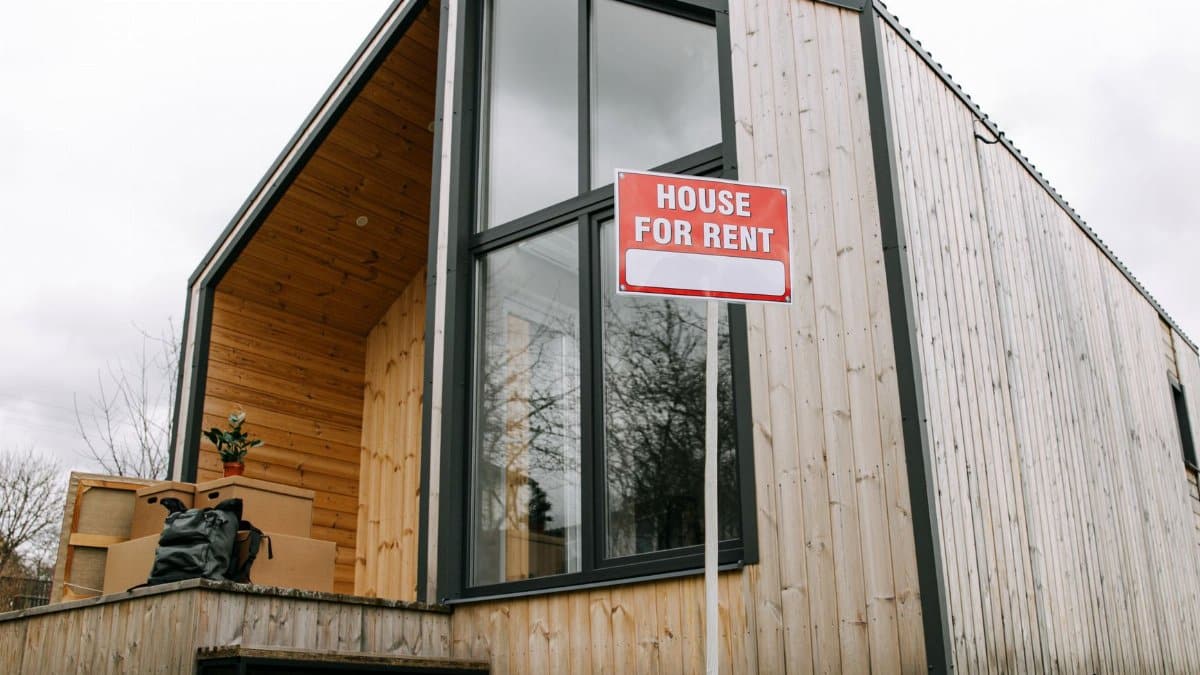
Property owners must give sixty days advance notice for any rent hike at lease renewal, though no statewide cap limits the size of adjustments. This flexibility contributes to affordability strains in high demand areas like Miami, where market forces drive frequent changes. Renters benefit from comparing comparable units to assess whether proposed increases align with broader trends.
Eviction Processes and Tenant Defenses

Evictions require court filings and proper notice, typically seven to thirty days depending on the reason such as nonpayment or lease violations. Tenants may challenge actions by presenting evidence of improper procedures or payment records. Legal aid organizations offer guidance to those facing removal, underscoring the importance of documented communication throughout any conflict.
Habitability Standards for Rental Properties

Owners must maintain units in safe, functional condition including working plumbing, electricity and structural integrity. Tenants can report violations to city inspectors if issues persist after written requests for repairs. Failure to address problems can lead to rent withholding options under certain circumstances, though this step demands caution and professional advice.
Impact of Short Term Rentals on Availability

The rise of platforms offering temporary stays has reduced long term housing stock in popular neighborhoods. Local zoning adjustments aim to balance tourism revenue with resident needs, yet enforcement varies. This shift influences overall supply and pricing, affecting middle aged renters seeking stable homes near workplaces or family.
Dispute Resolution Options Outside Court

Mediation services through county programs help resolve conflicts over deposits or repairs without full litigation. Both sides present their positions to neutral facilitators who suggest compromises. Such approaches often preserve relationships and save time compared to formal hearings, though participation remains voluntary in many instances.
Recent Adjustments to Regional Housing Policies

City officials have explored expanded notice requirements and incentives for affordable units amid ongoing growth. Discussions continue around better enforcement of existing statutes rather than new mandates. These developments reflect efforts to address population influx while maintaining property owner flexibility in a competitive market.
Common Misconceptions Among Prospective Renters

Many assume rent control applies universally, yet Miami operates under state rules that prohibit such measures. Others believe verbal agreements suffice, but written leases provide stronger protections for all involved. Clarifying these points early avoids later surprises during tenancy transitions.
Resources for Further Guidance on Regulations

County housing departments and state consumer protection offices maintain updated guides on leasing standards. Consulting attorneys specializing in property matters offers tailored insights for complex situations. Staying informed supports better decisions in a dynamic urban setting where market conditions evolve rapidly.