

In the heart of Minnesota politics a coordinated push called Operation Metro Surge reshaped expectations during the Senate primary season. Peggy Flanagan emerged with a decisive margin over Angie Craig capturing roughly twenty points in a contest that highlighted fresh approaches to engaging diverse communities across the Twin Cities region. Observers noted how this initiative drew on local networks to boost participation in ways that shifted traditional balances and underscored the growing influence of targeted outreach on election outcomes. The effort reflected broader patterns in urban areas where demographic changes continue to influence results and where strategic focus on specific issues can yield substantial returns at the ballot box. Flanagan now advances with momentum that could shape the general election landscape in meaningful ways.
Tracing the Roots of Recent Political Shifts
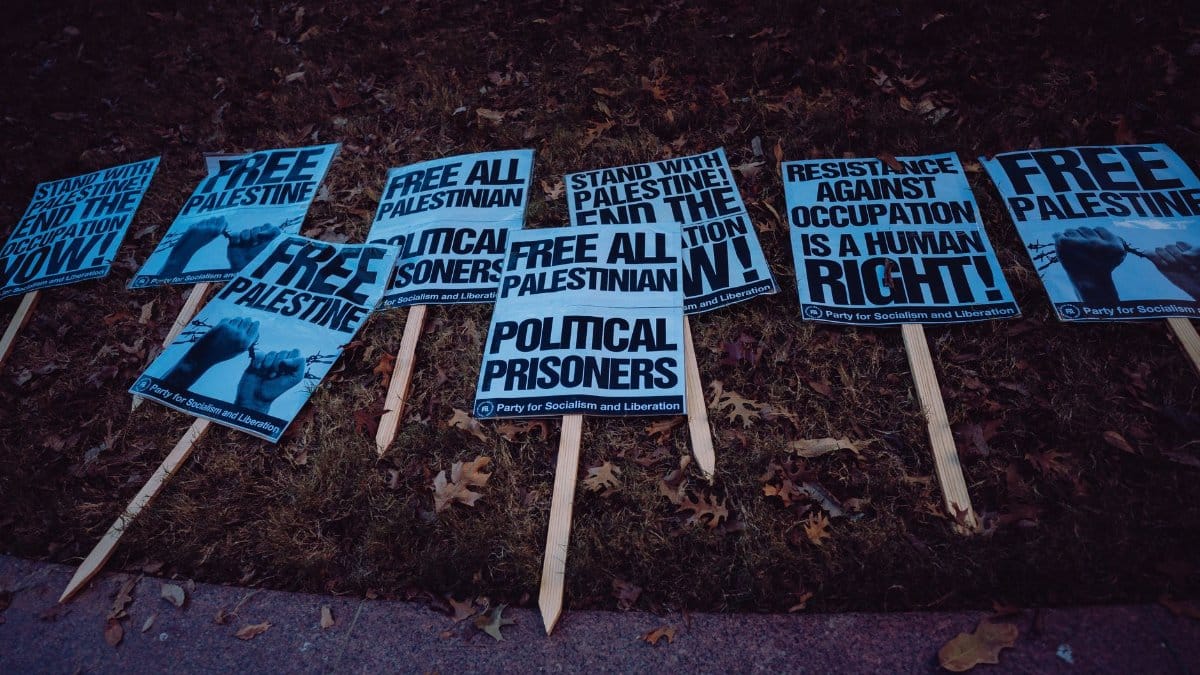
The contest between Flanagan and Craig revealed evolving priorities among Minnesota voters particularly those concerned with immigration matters. Operation Metro Surge emerged as a key factor in mobilizing support in densely populated districts where turnout had lagged in prior cycles. Local leaders coordinated events and information sessions that connected policy discussions to everyday concerns helping residents see direct links between participation and potential changes in federal approaches.
Examining Voter Engagement Patterns

Data from the primary showed elevated activity in several metro precincts traditionally underrepresented in off year voting. Organizers behind Operation Metro Surge focused on door to door conversations and community forums that addressed barriers such as language access and transportation. These steps contributed to a noticeable uptick in ballots cast by newer citizens and long time residents alike creating a broader base of support for Flanagan.
Role of Community Networks

Grassroots organizations played central parts in amplifying the messages tied to Operation Metro Surge. Faith based groups cultural centers and advocacy circles collaborated to share details about candidate positions and voting procedures. Such alliances helped foster trust and encouraged consistent turnout across multiple neighborhoods where personal connections often outweigh mass media appeals.
Policy Connections to Immigration Topics

Flanagan emphasized humane immigration reforms throughout her campaign drawing energy from the themes promoted through Operation Metro Surge. Voters responded to calls for streamlined legal pathways and protections for families already contributing to local economies. This alignment allowed her platform to resonate more deeply than competing messages focused on enforcement only.
Comparative Analysis of Campaign Strategies

Craig maintained a steady presence yet her approach appeared less attuned to the surge in localized mobilization efforts. While both candidates addressed economic security Flanagan benefited from the additional layer of community driven enthusiasm generated by Operation Metro Surge. The difference manifested in final tallies that exceeded projections in key wards.
Impact on Broader Electoral Dynamics
The primary outcome signals potential ripple effects for Minnesota Senate representation. With Operation Metro Surge demonstrating effective models for inclusive outreach future races may see similar investments in urban engagement. Analysts suggest this could influence how parties allocate resources ahead of November contests.
Reactions from Political Observers

Commentators described the Flanagan victory as a turning point that validates focused demographic strategies. Several noted that Operation Metro Surge succeeded by prioritizing sustained dialogue over fleeting advertisements. This method allowed nuanced conversations about policy tradeoffs to take root among participants who might otherwise have stayed home.
Looking Ahead to General Election Challenges
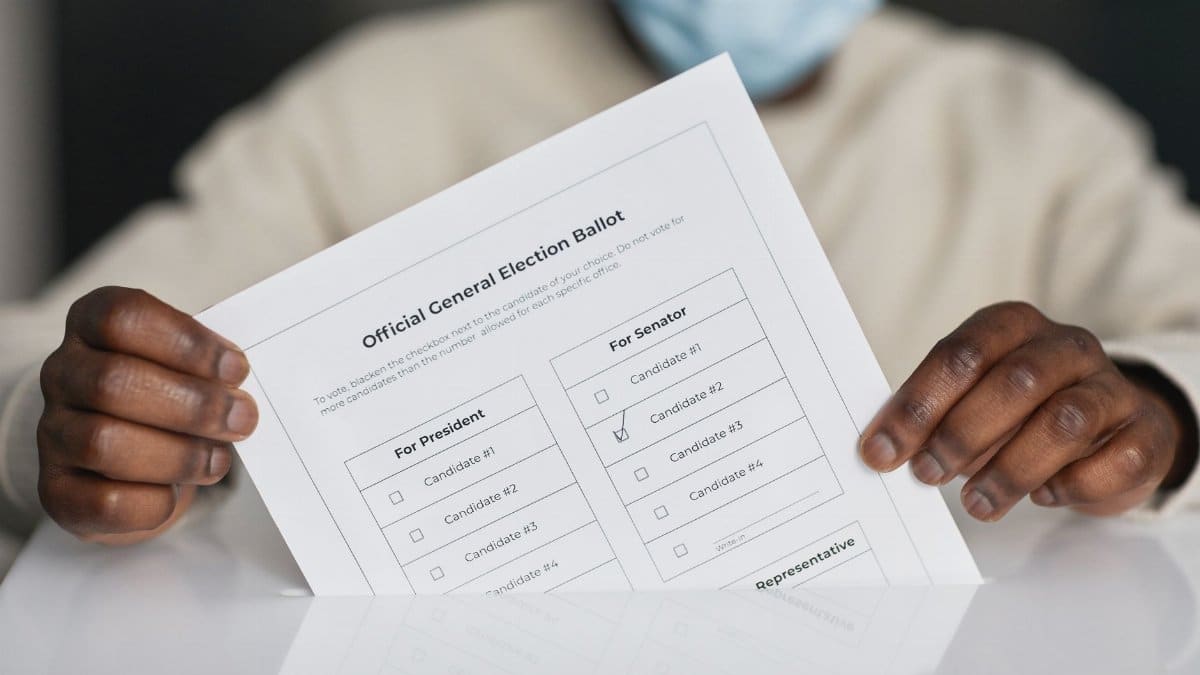
Flanagan faces a competitive field in the coming months where replicating the energy from Operation Metro Surge will prove essential. Sustaining high participation requires ongoing attention to issues that first sparked interest during the primary phase. Success will depend on maintaining authentic connections with the same networks that delivered the initial advantage.
Lessons for National Political Trends
Similar initiatives in other states could draw from the Minnesota experience where Operation Metro Surge illustrated the power of tailored community outreach. As demographic shifts continue across the country candidates who invest early in relationship building may find durable edges in closely contested districts. The approach emphasizes listening as much as messaging.