
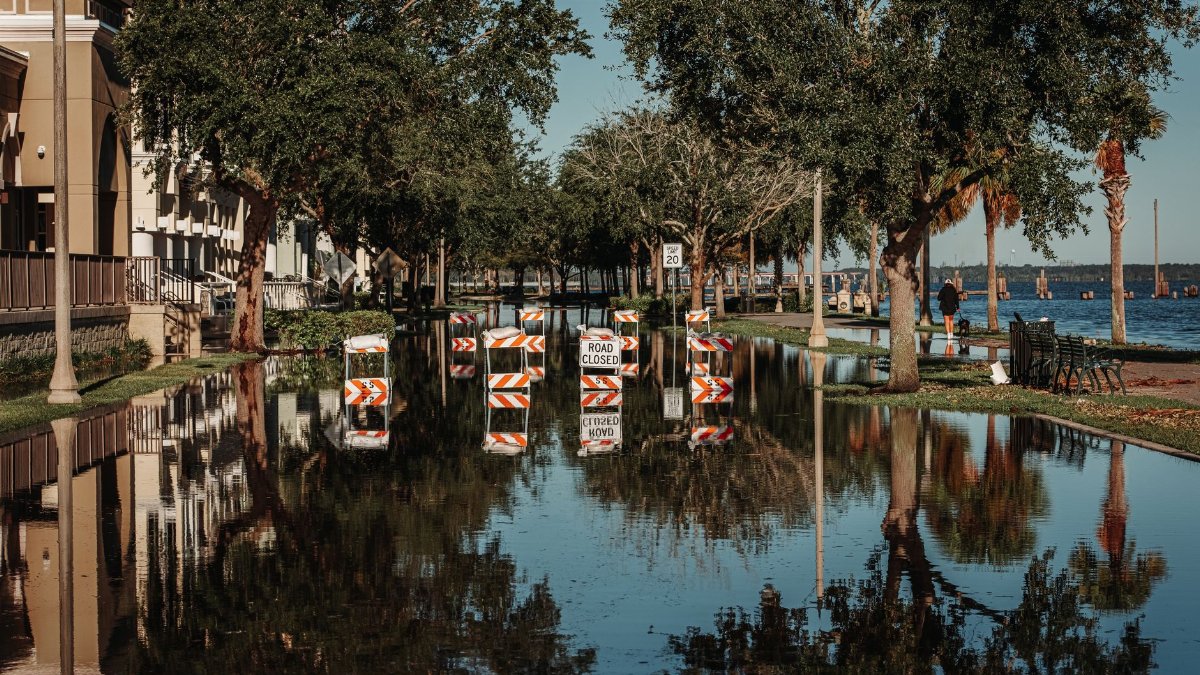
In the quiet streets of a Chicago suburb still reeling from fierce winds and rising waters, families gathered amid scattered branches and flooded basements to share stories of survival and mutual support. Governor JB Pritzker arrived amid this scene to witness the aftermath directly, turning what began as a routine inspection into the notable Pritzker Lansing tour. His presence underscored how state officials engage with local hardships, blending policy decisions with personal outreach. Observers noted the deliberate pace of the visit, which allowed time for conversations with affected homeowners and first responders alike. This approach highlighted broader themes of recovery that resonate across many Midwestern communities facing increasingly unpredictable weather patterns.
Local Faith Communities Mobilize Aid

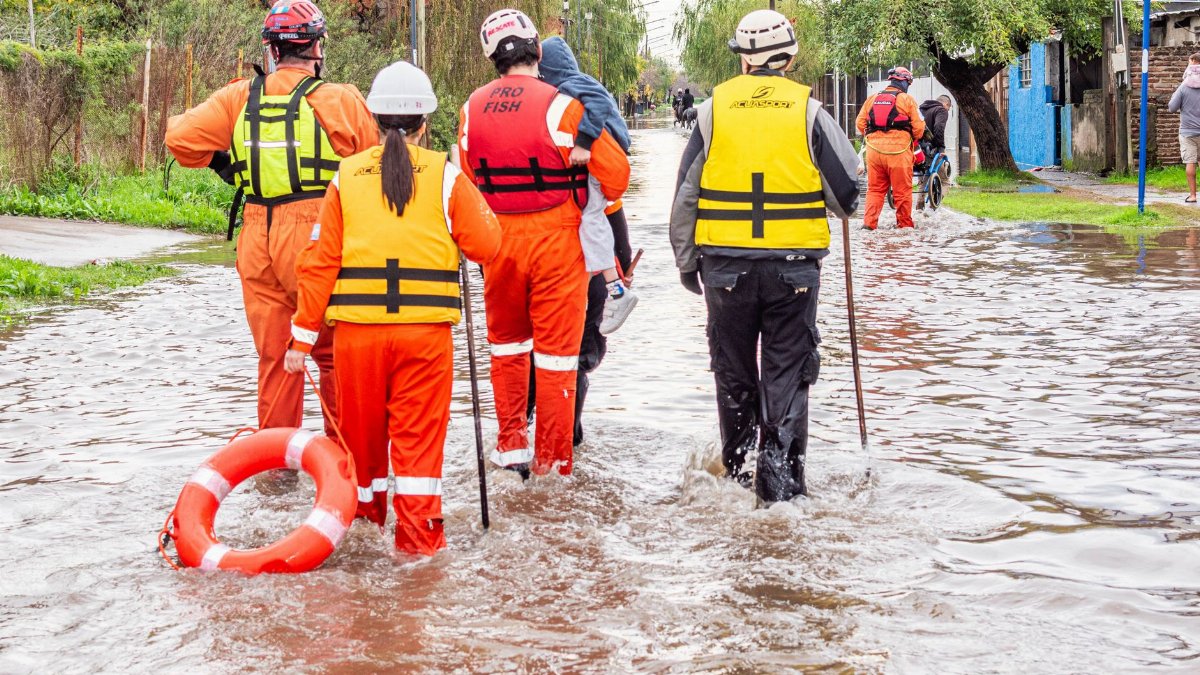
Churches and synagogues in the area opened their doors as temporary shelters and distribution points for supplies. Volunteers from various congregations coordinated meals and cleanup crews, drawing on longstanding traditions of service during times of need. These efforts often bridged denominational lines, fostering unexpected partnerships that strengthened neighborhood bonds.
Policy Shifts Toward Better Flood Management
The governor used the occasion to sign legislation aimed at expanding state resources for flood prone regions. The new measures include funding for improved drainage systems and insurance reforms that could ease burdens on property owners. Lawmakers from both parties supported the bill, reflecting a shared recognition of climate related challenges.
Personal Stories from Storm Survivors

One resident described losing irreplaceable family heirlooms to rising waters yet finding solace in the immediate help from neighbors. Another recounted how community prayer circles provided emotional grounding during the darkest hours after the event. Such accounts illustrate the human dimension behind official visits like the Pritzker Lansing tour.
Historical Patterns of Illinois Weather Events
Records show that similar storms have struck the region multiple times over recent decades, prompting incremental improvements in emergency protocols. Analysts point to evolving data on precipitation trends as a factor influencing current legislative priorities.
Economic Ripple Effects on Small Enterprises

Local shops and restaurants faced temporary closures due to power outages and access issues. Recovery grants now available through the signed legislation may help these businesses rebound faster than in past incidents.
Environmental Lessons from Recent Flooding
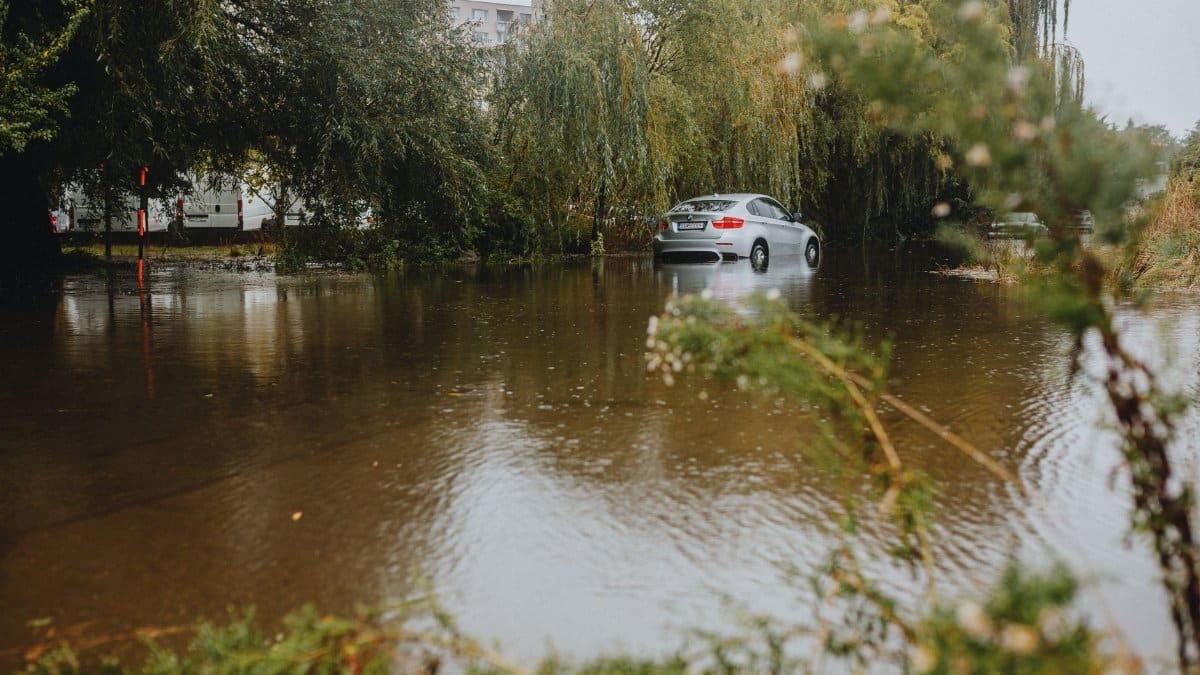
Experts emphasize the need for green infrastructure such as rain gardens and permeable pavements to mitigate future runoff. Discussions during the Pritzker Lansing tour touched on integrating these strategies into urban planning.
Volunteer Networks and Their Lasting Impact
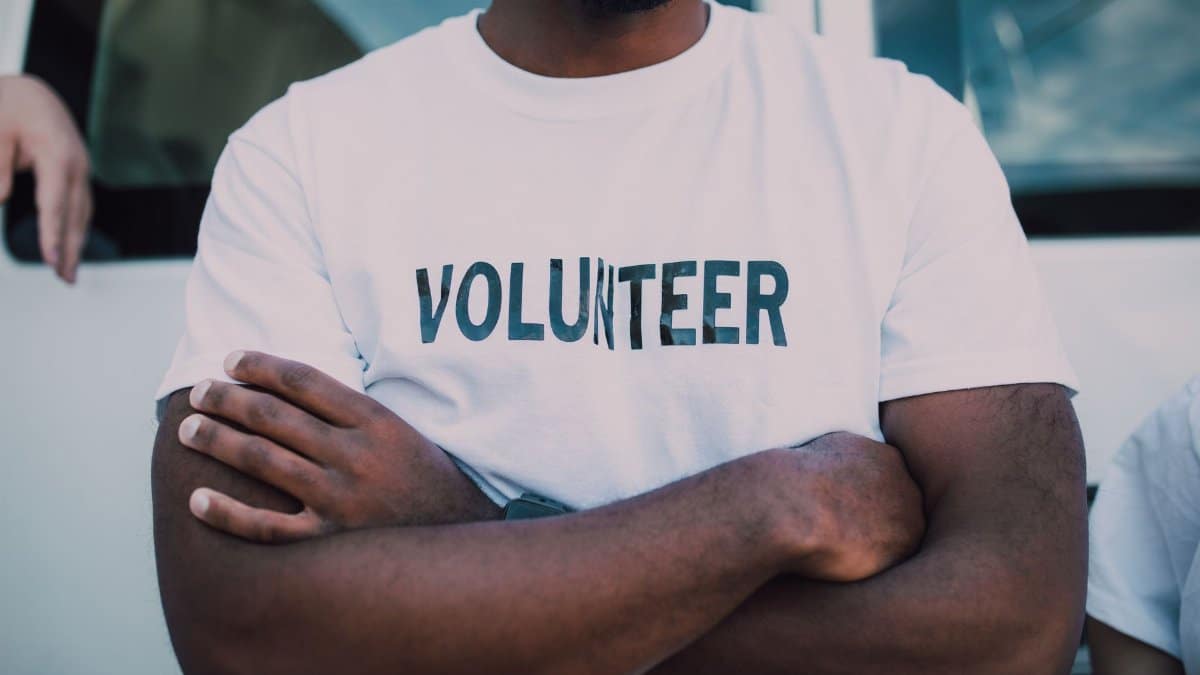
Grassroots groups continued their work long after initial media attention faded, focusing on long term rebuilding projects. Their dedication often stems from deep seated values of compassion and stewardship.
Political Context Surrounding the Visit
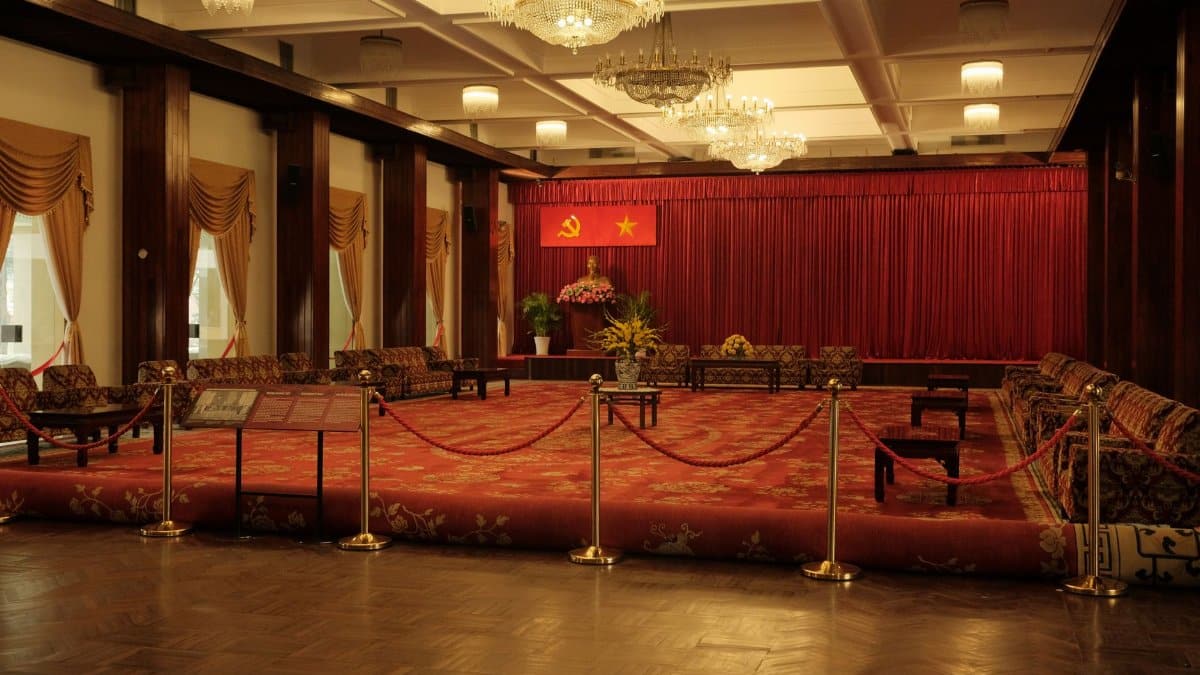
The timing of the Pritzker Lansing tour coincided with debates over state budgets and disaster preparedness funding. Critics and supporters alike weighed in on how such events shape public perception of leadership effectiveness.
Preparing Residents for Future Challenges

Workshops on emergency kits and evacuation routes gained renewed interest following the storm. State agencies promoted these resources as part of ongoing outreach tied to the recent legislation.
Broader Reflections on Resilience and Hope
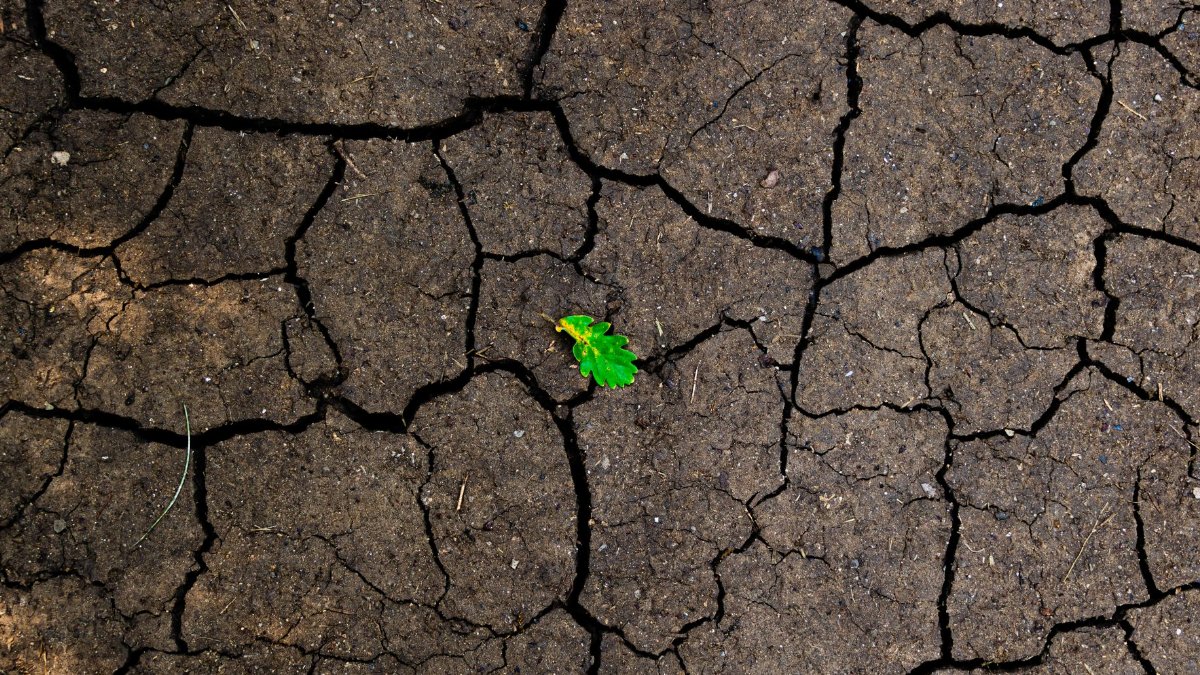
Across the region, the blend of official action and spiritual solidarity offered a model for handling adversity. The Pritzker Lansing tour served as a reminder that recovery involves both tangible aid and intangible sources of strength. Communities continue to draw from these experiences to build stronger foundations for whatever lies ahead.