

Imagine a quiet Saturday morning, the kind where sunlight spills across the kitchen floor as your dog or cat naps nearby. Then, in a split second, curiosity leads them to something seemingly harmless—a stray chocolate bar or a houseplant. Suddenly, you’re racing to the vet. For many pet owners, the concept of pet toxins in the household is a hidden danger, one that lurks in everyday items we barely notice. Across the U.S., thousands of pets face accidental poisoning each year, often from things we assume are safe. This isn’t just a statistic; it’s a wake-up call. From cleaning products to certain foods, the list of hazards is longer than most realize. Let’s uncover 14 common household items toxic to dogs and cats, shedding light on risks that could be just a paw’s reach away.
Chocolate: A Sweet but Deadly Treat

Most of us know chocolate isn’t for pets, but the why matters. It contains theobromine, a compound toxic to dogs and cats, leading to vomiting, seizures, or worse. Dark chocolate and baking chocolate pack the highest risk. A small dog could face serious trouble from just an ounce. Picture a holiday gathering—wrappers on the coffee table, a curious pup sniffing around. It happens fast. The ASPCA notes chocolate as a top reason for pet poison calls. Keep it locked away, high on shelves, far from wagging tails.
Grapes and Raisins: Silent Threats in the Pantry

Even a handful of grapes or raisins can trigger kidney failure in dogs. Cats may be less prone, but they’re not immune. The exact toxin isn’t fully understood, yet the danger is clear. One pet owner shared online how a single raisin bagel left on a counter led to days of vet care for their terrier. Cases like these aren’t rare. The VCA Animal Hospitals detail how even small amounts can be fatal. Check snack bowls and baking supplies—don’t let a quick nibble turn tragic.
Onions and Garlic: Hidden in Everyday Meals

These kitchen staples, along with chives and leeks, can damage red blood cells in dogs and cats, causing anemia. Whether raw, cooked, or powdered, they’re a risk. Think about last night’s leftovers—did a bit of garlic bread fall to the floor? Over time, even tiny exposures add up. The Pet Poison Helpline warns of delayed symptoms, making early action critical. Keep scraps secure and double-check pet food ingredients for onion powder.
Xylitol: The Sugar Substitute Danger
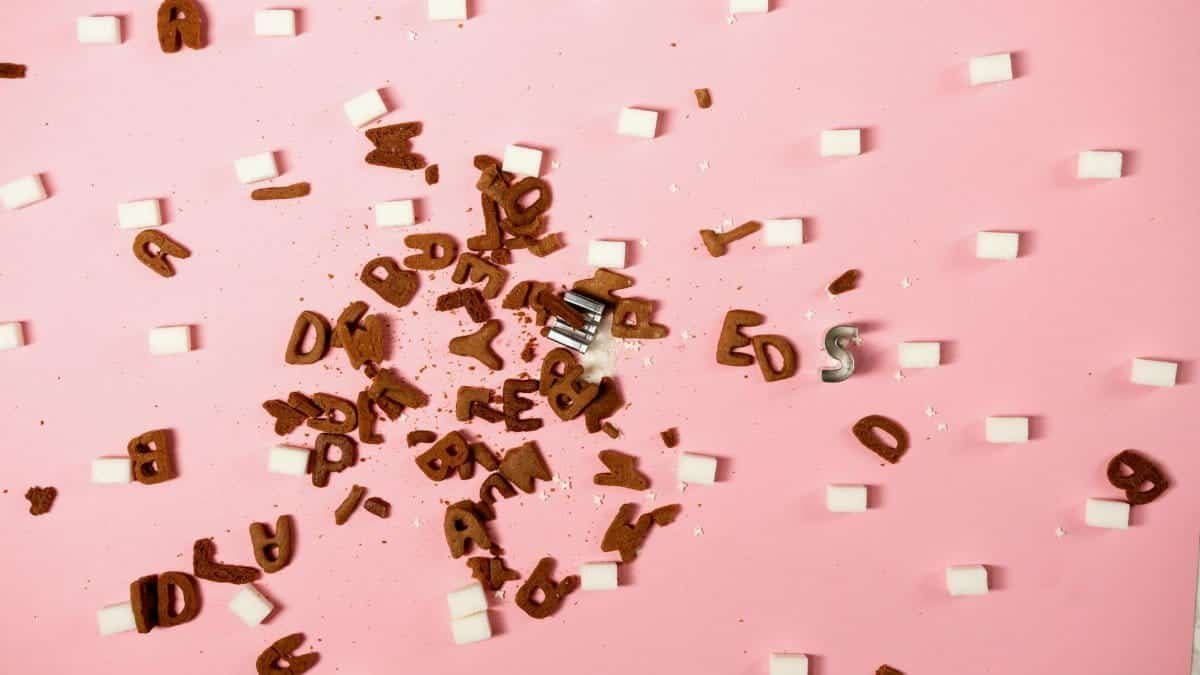
Found in sugar-free gum, candy, and even some peanut butters, xylitol causes a rapid insulin spike in dogs, leading to dangerously low blood sugar. Seizures or liver failure can follow. Cats seem less affected, but caution is still key. A single piece of gum could be lethal for a small dog. The FDA has flagged this as a growing concern. Always read labels and store these items out of reach.
Alcohol: More Than Just a Spill
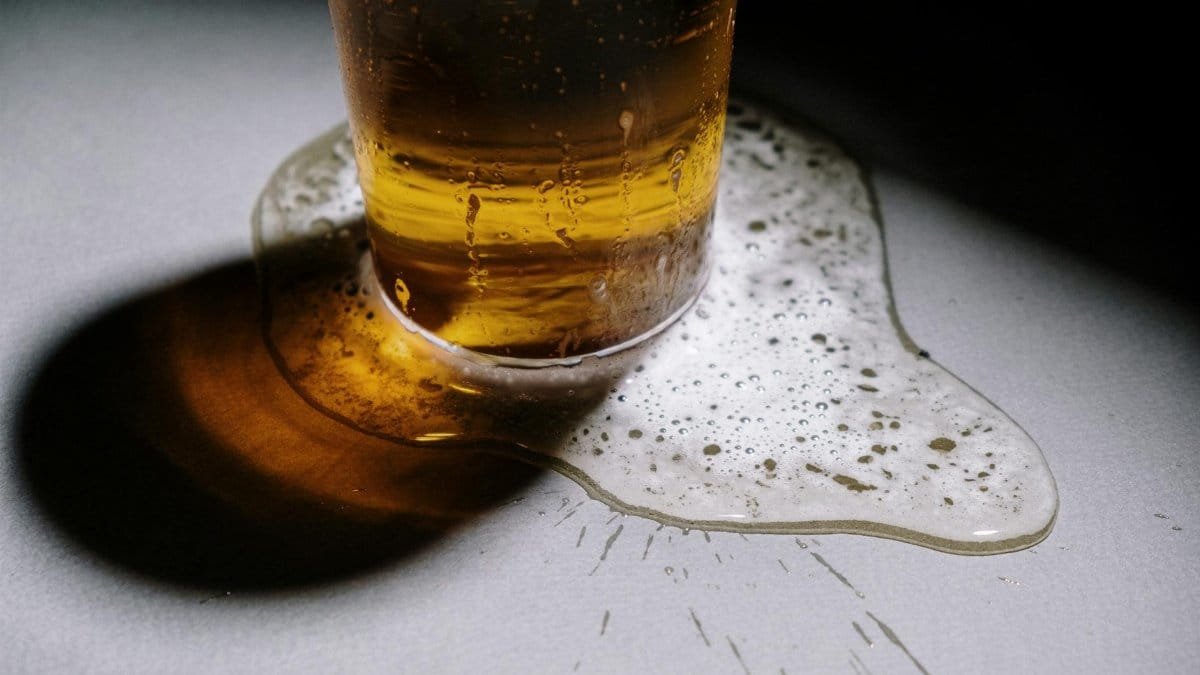
A spilled beer or cocktail isn’t just a mess—it’s a hazard. Alcohol depresses the central nervous system in pets, causing disorientation, vomiting, or coma. Even small amounts, like a lick of wine, can harm. Holiday parties often amplify the risk with unattended glasses. Vets report spikes in cases around celebrations. Secure drinks and clean spills immediately to avoid a preventable crisis.
Caffeine: A Jolt Pets Can’t Handle

Coffee, tea, energy drinks, and even some medications contain caffeine, which overstimulates pets’ hearts and nervous systems. A curious cat batting at a coffee cup or a dog sniffing grounds can lead to rapid heart rate or tremors. Symptoms escalate quickly. Keep caffeine sources—grounds, pods, or pills—well out of reach, especially in busy morning routines when spills are likely.
Avocado: Not a Healthy Snack for Pets

While humans rave about avocado toast, the fruit’s pit, skin, and leaves contain persin, toxic to dogs and cats in varying degrees. It can cause vomiting or breathing issues. Even the flesh poses a mild risk. Imagine a guacamole bowl at a party—easy for a pet to sneak a taste. Store avocados securely and clear food prep areas promptly.
Macadamia Nuts: A Small but Serious Risk

Just a few macadamia nuts can cause weakness, vomiting, and tremors in dogs. Cats may also react, though research is less clear. Often found in cookies or trail mix, they’re an overlooked threat. One vet recalled a case where a dog raided a holiday gift basket, ending up in emergency care. Stash nut-heavy snacks far from prying paws.
Household Cleaners: Chemical Hazards Everywhere
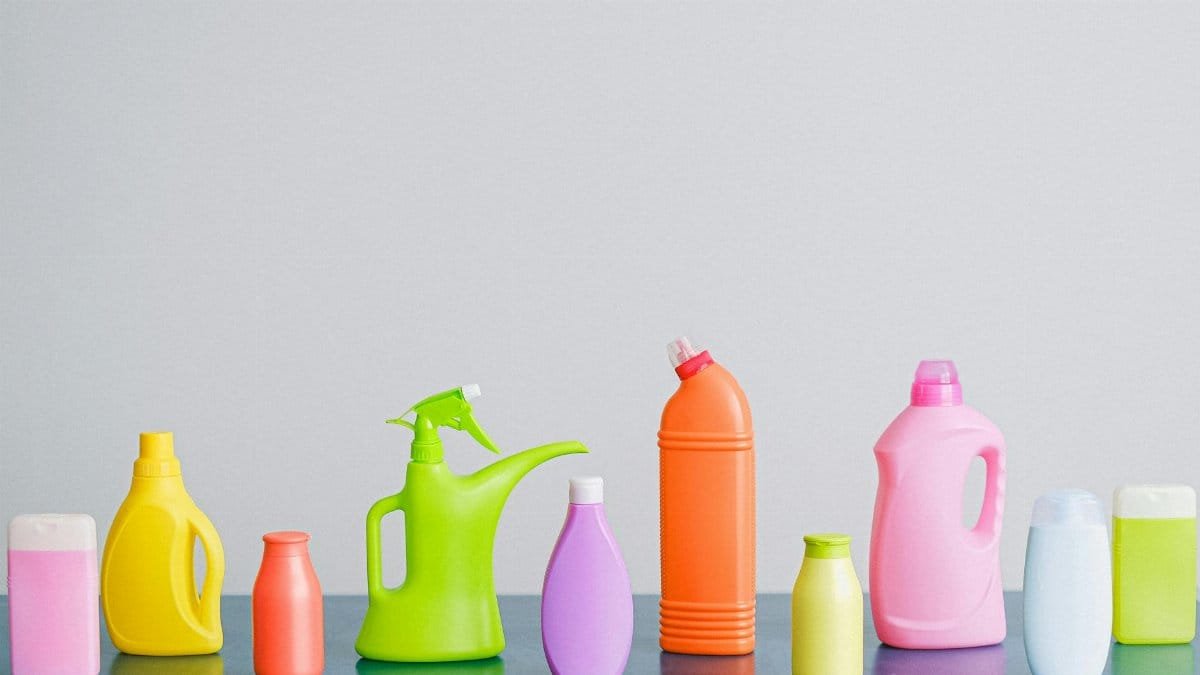
Bleach, ammonia, and disinfectants are obvious dangers, but even “pet-safe” cleaners can irritate if ingested or inhaled. Dogs might lick a freshly mopped floor; cats could brush against residue. Symptoms range from burns to respiratory distress. Store chemicals in locked cabinets and rinse surfaces thoroughly after cleaning to minimize exposure.
Medications: Human Pills, Pet Peril
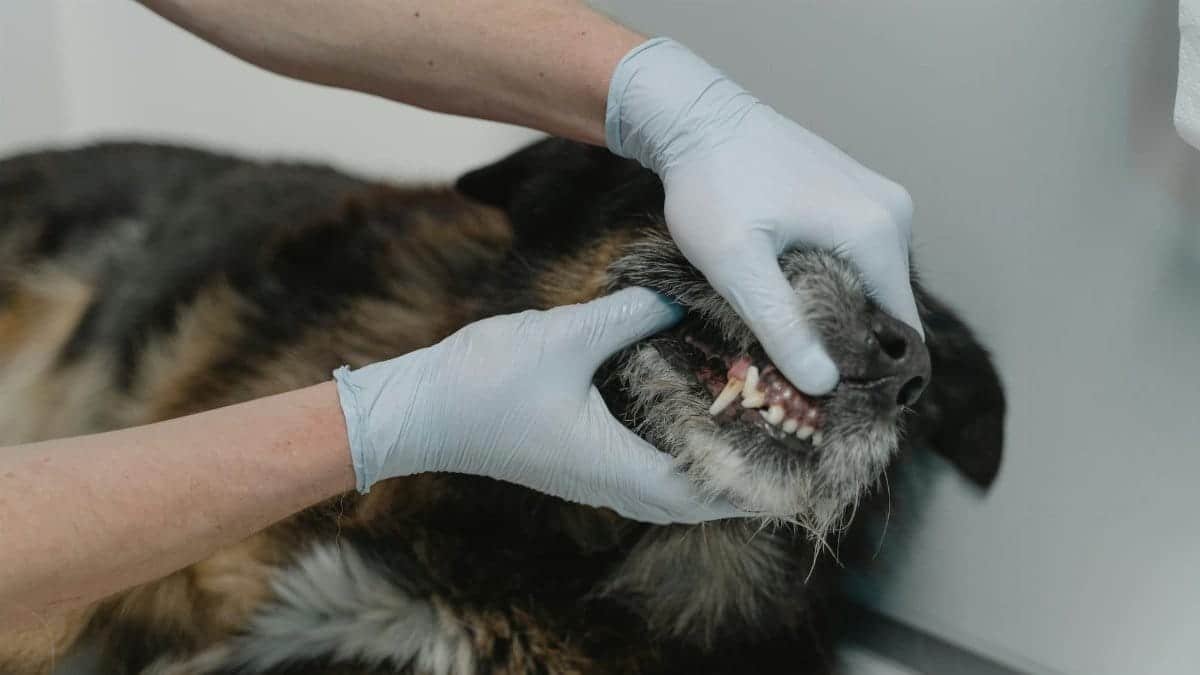
Over-the-counter drugs like ibuprofen or acetaminophen are toxic to pets, causing ulcers or liver damage. Prescription meds aren’t safer. A dropped pill or an open bottle on a nightstand is all it takes. The ASPCA logs thousands of medication poisoning cases yearly. Use childproof containers and keep all drugs elevated or secured.
Antifreeze: A Lethal Lure
Ethylene glycol in antifreeze has a sweet taste that attracts pets, but it’s deadly, causing kidney failure even in tiny doses. A small puddle in the garage or a leak under the car can be fatal. Opt for pet-safe propylene glycol versions and clean spills instantly. Winter months heighten this risk—stay vigilant.
Rodenticides: Poison Beyond the Target

Rat and mouse baits are designed to kill, and they don’t discriminate. Pets can ingest poison directly or through a contaminated rodent. Symptoms like bleeding or seizures often appear too late. If pest control is needed, use traps instead of baits, and keep any poisons in inaccessible areas.
Houseplants: Beauty with a Bite

Lilies are deadly to cats, causing kidney failure, while sago palms threaten dogs with liver damage. Even pothos or aloe can irritate. Pets chew out of boredom or curiosity, often with dire results. Research plants before bringing them home—opt for non-toxic options like spider plants if possible.
Batteries: A Shocking Hazard

Swallowed batteries, from remotes or toys, can leak corrosive acid or cause blockages. Chewing them risks burns or poisoning. Small button batteries are especially dangerous. A family once found their pup had nabbed a hearing aid battery—emergency surgery followed. Keep spares locked away and check toys for loose parts regularly.
Pet toxins in the household aren’t just a niche concern; they’re a daily reality for millions of American pet owners in 2025. Awareness is the first step, but action seals the deal. Scan your home with fresh eyes. Tuck away that chocolate, secure the cleaners, double-check the pantry. These 14 items are a starting point, not an exhaustive list. Chat with your vet about other risks specific to your pet’s breed or habits. Our companions rely on us to spot what they can’t. A little vigilance today could spare heartbreak tomorrow.