
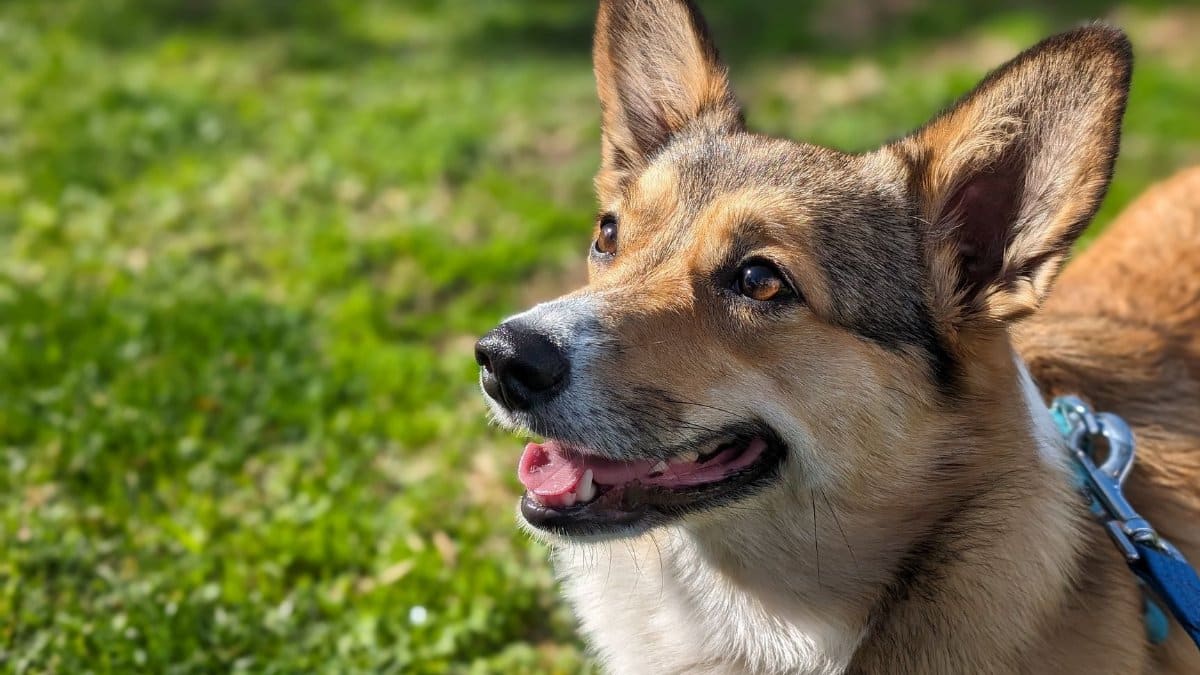
In the quiet neighborhoods of San Diego County a family faced weeks of worry after their poodle named Teddy wandered off during a routine walk. Days stretched into nights as neighbors joined searches through parks and streets yet no trace appeared. Then came word that animal services had located the missing pet in an unexpected place leading to a careful extraction. The story of the dog rescued drain offers a reminder of how persistence and community effort can restore what seems lost forever. Local teams worked with care to ensure a safe return and the reunion that followed brought visible relief to all involved.
The Initial Report and Growing Concern

Residents in the area described the poodle as gentle and accustomed to daily outings with its owner. When the dog failed to return after several hours the owner contacted authorities right away. Flyers went up at local shops and posts spread across community boards. Volunteers walked miles each day calling out names and checking yards. The absence weighed heavy on the household where the pet had been a steady companion for years. As time passed some began to fear the worst yet a core group kept the effort alive through regular updates and shared leads.
Animal Services Steps Into Action

San Diego Animal Services received the call and assigned officers familiar with urban wildlife and lost pet cases. They reviewed camera footage from nearby homes and mapped possible routes the poodle might have taken. Teams checked culverts and open spaces methodically. Their training prepared them for unusual locations and they remained ready for any scenario. The agency maintains records of similar incidents which helps guide responses when time is short. Officers coordinated with city maintenance crews who understand the layout of underground systems.
Locating the Poodle in an Unexpected Spot

After more than a month of searching a routine inspection near a residential street revealed the poodle resting in a storm drain. The animal appeared thin yet alert and responded to voices from above. Responders lowered equipment slowly to avoid startling the pet and secured a safe lift within an hour. The extraction required patience and steady hands from everyone present. Once on solid ground the poodle received water and a quick check before transport to a nearby facility for further care.
The Careful Process of Extraction
Workers used harnesses and lights to reach the poodle without causing harm. They spoke in calm tones throughout the operation to maintain trust. The drain opening proved narrow so adjustments were made on site to widen access just enough. City records show that such rescues happen several times each year yet each case demands fresh planning. The successful lift brought applause from gathered onlookers who had followed the updates. Every step reflected lessons from prior efforts and a commitment to animal welfare.
Reunion Brings Relief to the Owner

The owner arrived at the shelter soon after the call and the poodle showed immediate recognition with excited movements. Tears marked the moment as the two embraced after the long separation. Staff provided details on the dogs condition and recommended a follow up visit with a veterinarian. The family expressed gratitude to every volunteer and officer who had stayed involved. Such moments underscore the value of public reporting when pets go missing and the impact of quick action by trained personnel.
Community Support Throughout the Search
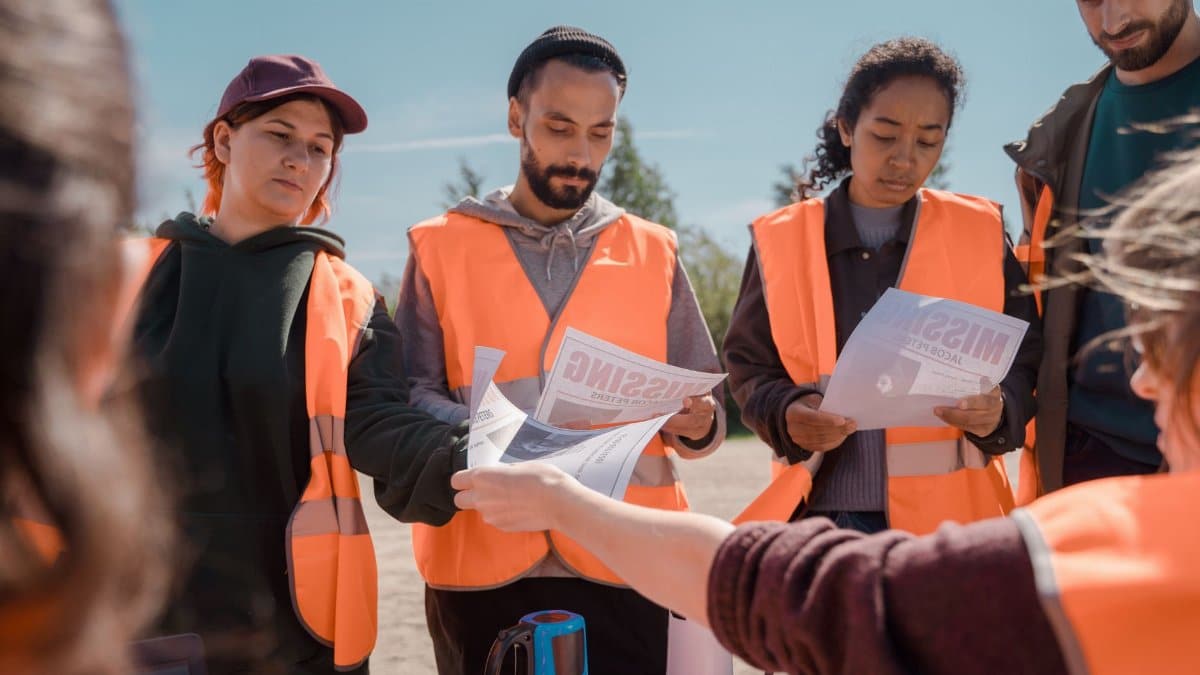
Neighbors organized food drives for the search parties and shared sightings on local forums. Schools encouraged students to keep an eye out during walks home. The collective energy helped sustain hope even when leads ran thin. One resident recalled seeing a similar dog weeks earlier yet the tip arrived too late to act. Still the network of eyes and ears proved essential in keeping the case visible. This kind of involvement often makes the difference between a brief absence and a prolonged one.
Lessons on Pet Safety in Urban Areas
Cases like this prompt discussions about leashes and identification tags that stay visible. Shelters recommend microchipping as a standard practice for all household pets. Owners learn to note favorite routes and report changes immediately. City planning can also include better barriers around drains to prevent future incidents. The poodle story circulates now as an example of why these steps matter in daily life. Awareness grows when real events reach a positive end.
Broader Themes of Hope and Return

Stories of recovery after long absences resonate with many who have faced their own uncertainties. The dog rescued drain episode carries a quiet message about not giving up on what matters. Faith communities sometimes reference such events during gatherings focused on perseverance. The return of the poodle to its home echoes larger ideas of restoration that touch people across backgrounds. In this way a single rescue can spark reflection well beyond the immediate neighborhood.